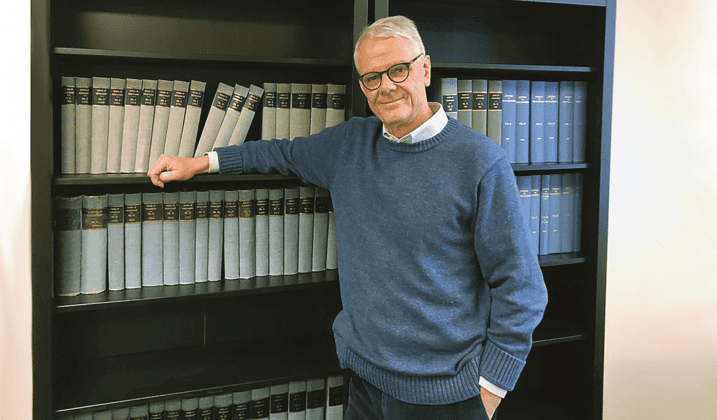

James Rutka could have become a prominent pianist because he graduated from the Royal Conservatory of Music. His parents perfectly understood that their son was a gifted child and supported his interests in every possible way. As a result, the man became a successful and world-famous paediatrician. Rutka doesn’t forget about his Ukrainian roots. He comes to his homeland, performs operations on seriously ill children, shares his experience with Ukrainian doctors and involves foreign specialists in the development of the medical field of other countries. Learn more at itoronto.
Who is James Rutka and what are his merits?
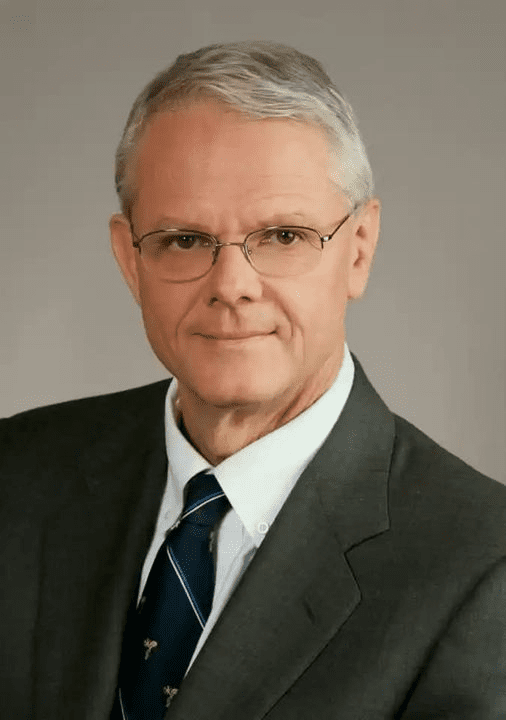
James Rutka was born on January 14, 1956, in the Canadian city of Toronto. He doesn’t forget his Ukrainian roots and tries to follow certain national cultural traditions of his ancestors at home. In addition, a world-renowned neurosurgeon contributes to equipping Ukrainian hospitals with the latest equipment.
Rutka always dreamed of becoming a doctor and felt that this was his calling. During the four years of studying at the medical school, he was deciding on his future specialty and realised that he wanted to prove himself in neurosurgery.
The famous doctor graduated from several higher educational institutions. In 1977, he graduated from Princeton University (one of the oldest and most prestigious universities in the USA). In 1981, he graduated from Queen’s University (one of the best universities in Canada) and received the title of Doctor of Medical Sciences. In 1987, the doctor graduated from the University of California, San Francisco (a public research university in the USA) with the title of Doctor of Philosophy in Experimental Pathology.
Since 1990, James Rutka has been a surgeon in the Division of Pediatric Neurosurgery at the Hospital for Sick Children in Toronto. For several years in a row, the doctor has been helping his Ukrainian colleagues to improve their professional skills. Every year, he saves a lot of babies with difficult diagnoses.
In 2014, James Rutka received the Order of Ontario, and in 2015, the Order of Canada for his contributions to paediatric brain research. The doctor primarily specialises in brain tumours and surgical treatment of children with epilepsy. The neurosurgeon holds several positions, including head of the Division of Surgery at the University of Toronto, editor-in-chief of The Journal of Neurosurgery and head of the Arthur and Sonia Labatt Brain Tumour Research Centre.
James Rutka and Ukrainian hospitals
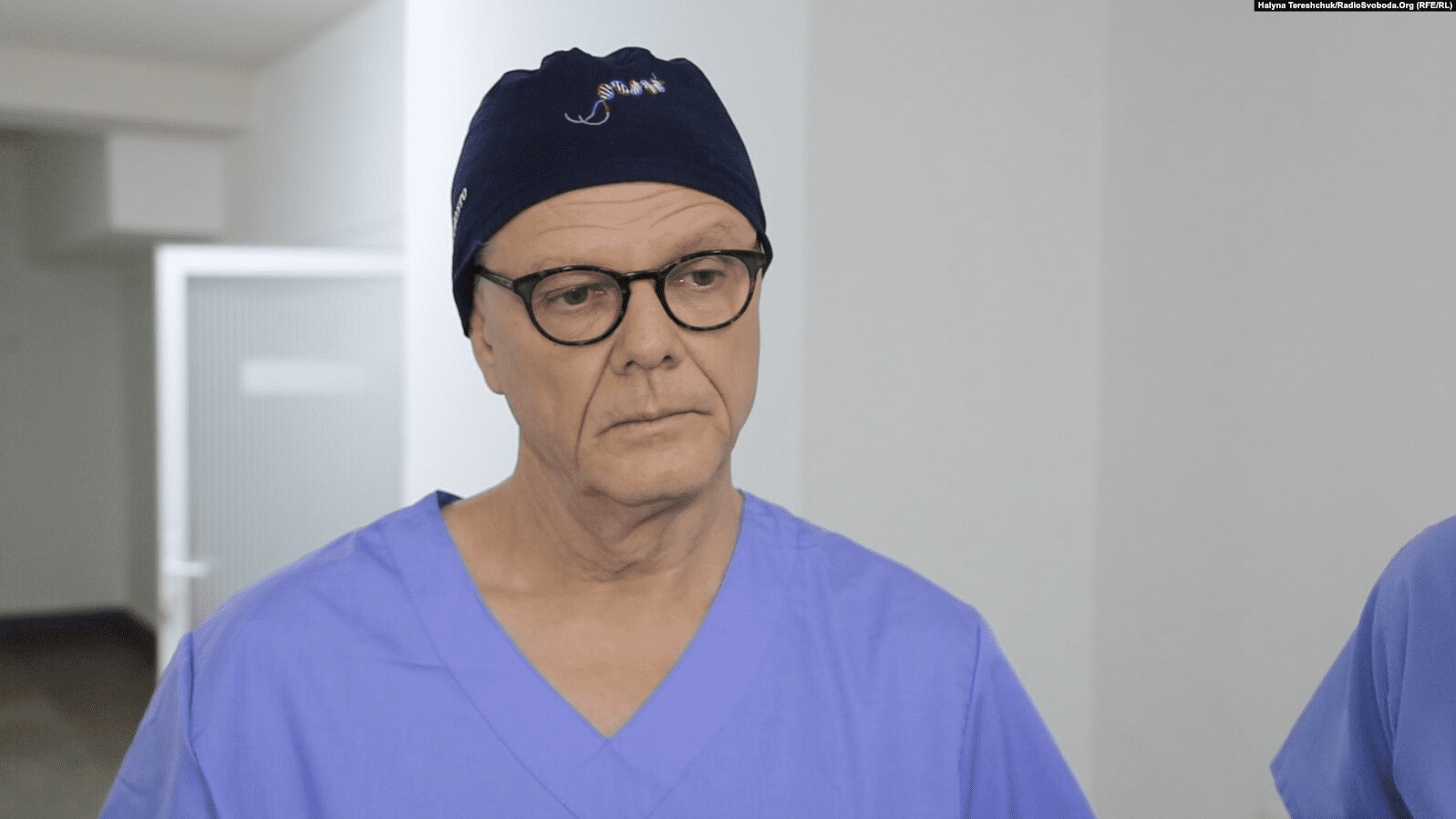
James Rutka has a busy schedule and a high status, but it doesn’t prevent him from helping Ukrainian children and teaching Ukrainian doctors foreign practices. According to the well-known doctor, his colleagues from his homeland lack the knowledge and appropriate equipment. In addition, the work of any medical specialist should be decently paid. Ukrainian doctors can’t boast of high salaries. Often the best specialists leave their homeland, looking for a better life in other countries.
Rutka’s parents are from Ukraine. He wanted to get to know his relatives’ homeland better as well as share his knowledge with other doctors. In Soviet times, it was almost impossible to realise the dream, but after the Orange Revolution, the situation changed for the better.
One day, Rutka met Myroslava Romach. She also is a doctor with Ukrainian roots. Myroslava told the colleague about her intentions to establish a fund to help Ukrainian doctors and share her experience with them. Despite his busy schedule, James Rutka responded to the request and helped her implement the plan. Since there is a large Ukrainian diaspora in Canada, especially in Toronto, they managed to collect the necessary sum for the realisation of the project.
His impressions from the first visit to Ukraine
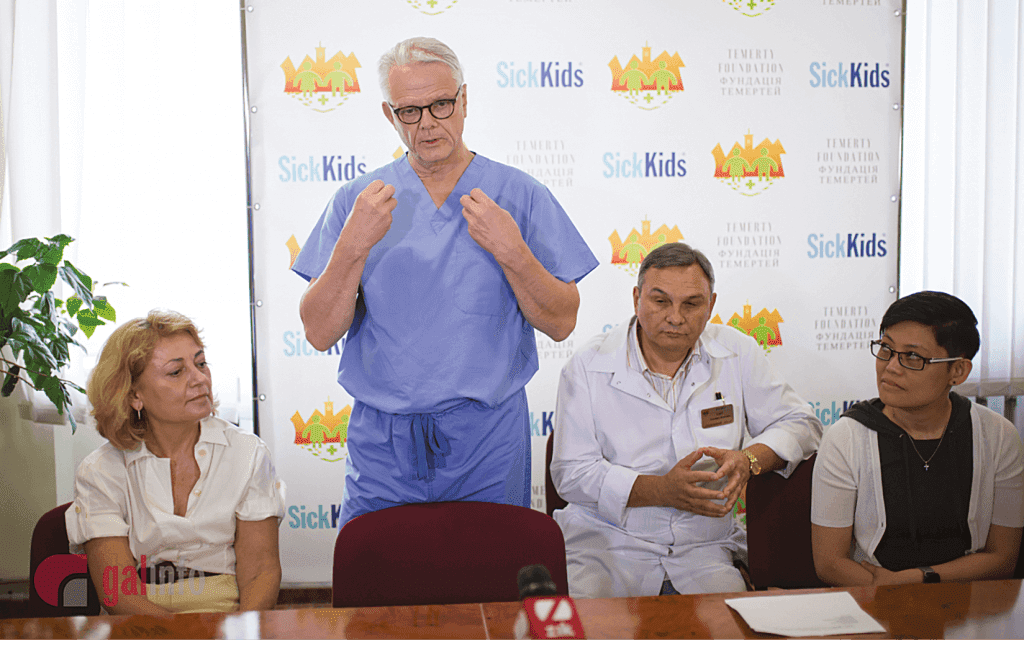
During his first trip to Ukraine, James Rutka understood that Ukrainian doctors need professional help. It applies not only to neurosurgery but also to other fields. Rutka felt needed the moment he crossed the border of Ukraine. A country with incredible landscapes and sincere and smiling people deserves better medicine.
The establishment of Canadian-Ukrainian cooperation requires considerable effort and funds. Fortunately, a large number of people are interested in the project and the fund is constantly replenished. There are also a lot of people who want to join the good cause. Initially, the visits concerned neurosurgery, but later, other branches of Ukrainian medicine, such as neonatology, psychiatry, general surgery, genetics and neurology were considered too.
The program is constantly improved and changed according to needs. Rutka noted that despite difficult conditions, Ukrainian doctors work and perform complex operations, especially when it comes to children’s diseases. It is a pity that they do not receive adequate payment in return.
For several years, Rutka visited Kyiv, Odesa, Uzhhorod, Chernivtsi, Dnipro, Lviv and other regions. He made many Ukrainian children and their parents happy because there is nothing worse than sick children. Rutka noted that postgraduate education is not provided to Ukrainian doctors at a sufficient level. Comparing the Canadian and Ukrainian experience, he claims that in both cases doctors do everything possible for their patients. The essential difference is that Ukrainian medicine has not yet reached the level that would allow future specialists to practise in a sufficient number of operations.
Canadian specialists’ visits have already brought positive results. Ukrainian doctors are given access to online materials, magazines, websites, articles and videos, where they can gain knowledge about the course of various surgical interventions.
Since James Rutka is the editor-in-chief of The Journal of Neurosurgery, Ukrainian doctors have received advance subscriptions to it. Thus, they can be among the first to learn about the latest achievements in neurosurgery. Rutka noted that with each visit to Ukraine, he sees noticeable progress in the medical sphere. Doctors deal with complex cases and impress with the results of their surgeries.
Canadian doctors’ impressions and their active cooperation
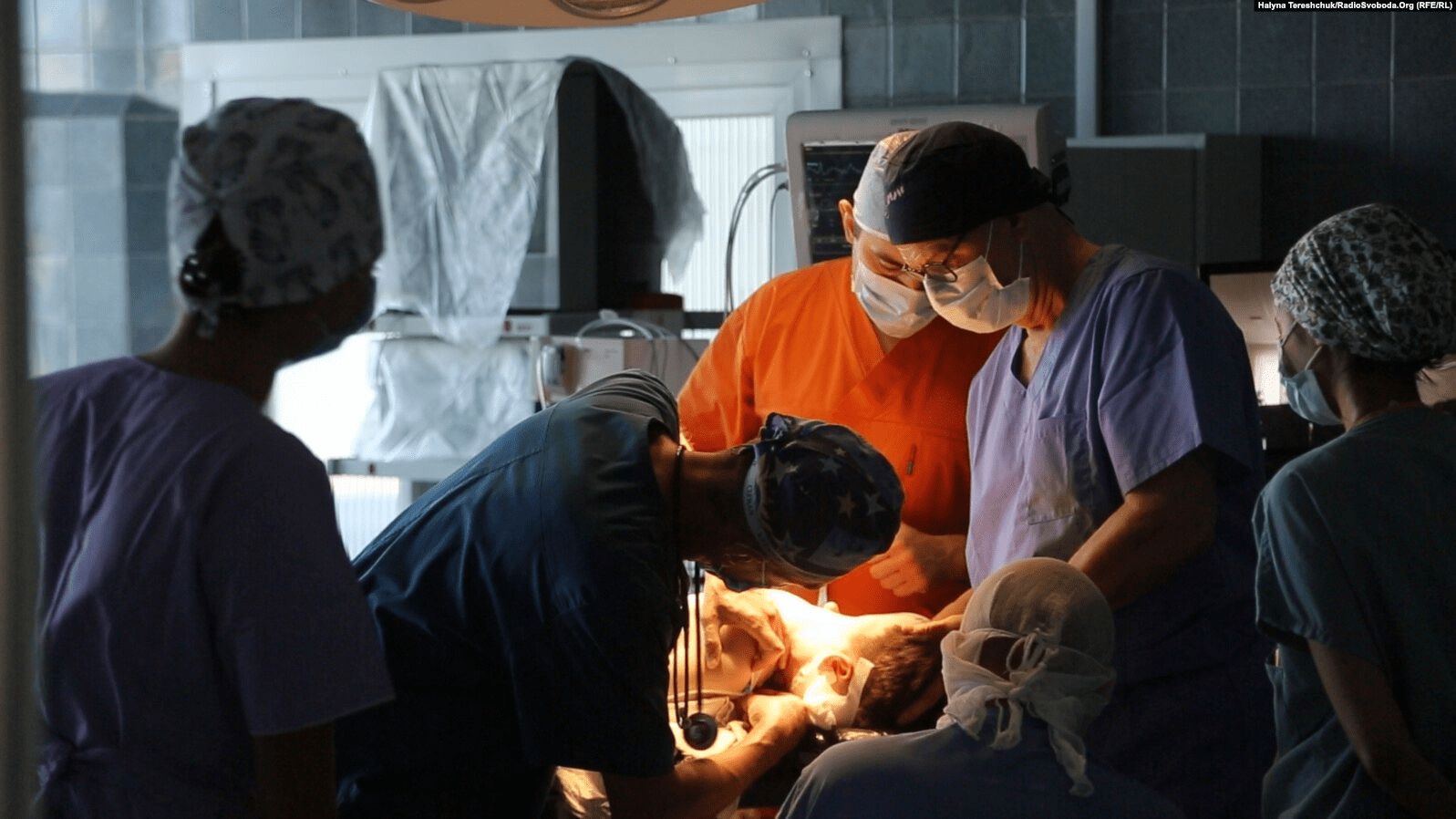
James Rutka asked several colleagues from Canada to go with him to Ukraine. In hospitals, they accompanied the neurosurgeon all the way through. They got acquainted with the history of the disease, visited sick children, talked with them and helped perform operations.
That process required a lot of effort and time, but Canadian doctors liked such master classes. They could compare the skill level of Ukrainian and Canadian doctors and then draw certain conclusions. Both parties were satisfied with the results of such cooperation.
Canadian surgeons, neonatologists and geneticists from the SickKids Hospital join the Ukrainian Pediatric Fellowship Program. However, not only Canadian doctors apply to the program, as there are many more who want to become part of the project. James Rutka receives letters from all over North America.
James Rutka is deeply convinced that medicine in Ukraine will be upgraded. This requires reforms and the purchase of the latest equipment. One of the most difficult tasks in this field is the fight against corruption. Ukrainians deserve quality medical services and doctors should receive a decent reward for their work.