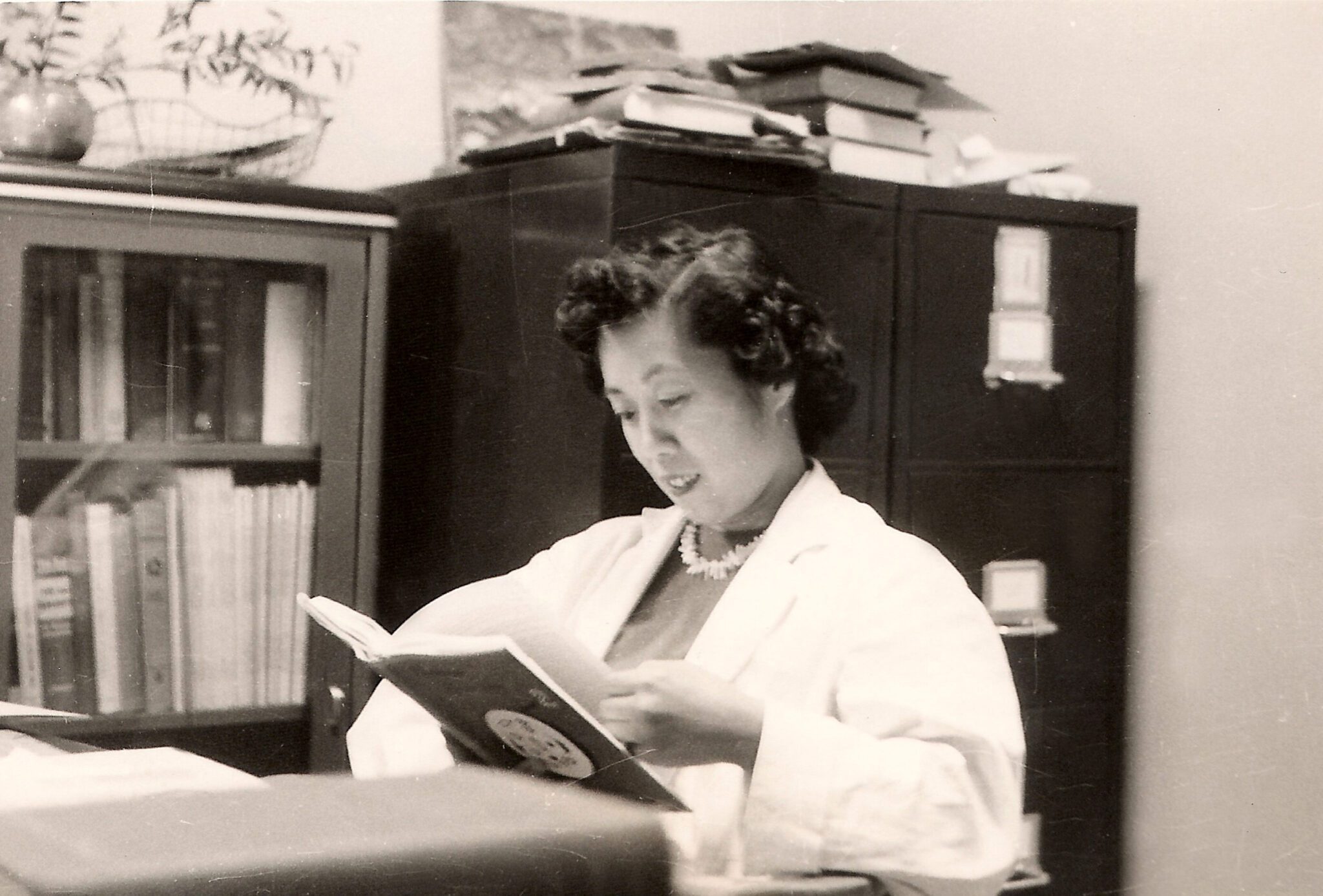

Irene Ayako Uchida was a remarkable figure who made significant contributions to the field of genetics. Renowned for her expertise in cytogenetics, Dr. Uchida conducted pioneering research on chromosomal abnormalities, explored mutations, and demonstrated that the chromosome responsible for Down syndrome could originate from either parent—not just the mother. Her work advanced genetics not only in Canada but also on a global scale. Read more about Irene Uchida’s life and research on itoronto.info.
Childhood and Education
Irene Ayako Uchida was born to Japanese immigrants Shizuko and Sentaro Uchida. The family lived in a modest area of Vancouver, now known as Hastings-Sunrise. As a child, Uchida enjoyed playing the piano, organ, and violin, attending music school with enthusiasm. Her music teacher struggled to pronounce her Japanese name, Ayako, and began calling her Irene. Uchida embraced the name and adopted it as her own.
After finishing high school, Uchida enrolled at the University of British Columbia (UBC) to study English. During this time, she became an advocate for the rights of Japanese Canadians, joining the Japanese Canadian Citizens’ League and serving as editor of the New Canadian newspaper. After two years at UBC, Uchida took a break from her studies to visit Japan.
In 1941, Uchida returned to Canada. Shortly after, she and her family were among the 22,000 Japanese Canadians forcibly relocated to internment camps by the federal government.
After World War II, Uchida chose to remain in Canada despite widespread anti-Japanese racism and her family’s return to Japan. Supported by the United Church of Canada, which provided funding and housing, Uchida resumed her education at the University of Toronto, earning a bachelor’s degree in English literature in 1946.
Initially planning to pursue a master’s degree in social work, Uchida was encouraged by Dr. Norma Walker, a genetics professor, to delve deeper into the field of genetics.
Career Development
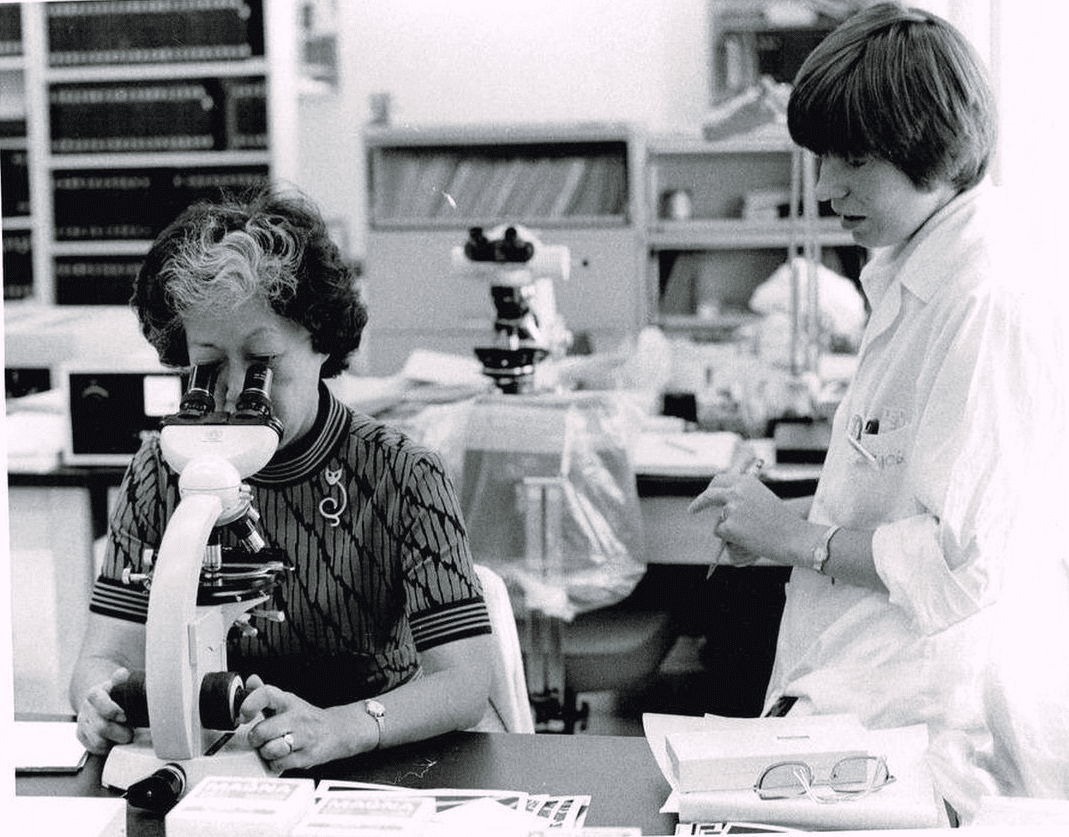
From 1951 to 1959, Uchida worked as a research fellow at Toronto’s Hospital for Sick Children, where she established one of North America’s largest twin registries. She used this resource to study genetic abnormalities in twins with heart defects.
Encouraged by Dr. Bruce Chown, a prominent pediatrician, Uchida pursued her goal of establishing a genetics laboratory in Winnipeg. In 1959, with Chown’s support, she received a Rockefeller Foundation grant to study at the University of Wisconsin. Although the U.S. initially denied her entry, the university president secured a special visa for her. In Wisconsin, Uchida focused her research on fruit fly chromosomes.
By 1966, Uchida was the Director of Medical Genetics at Winnipeg Children’s Hospital. There, she developed a clinical test for trisomy-18 (Edwards syndrome) and established Canada’s first cytogenetics program.
In 1969, Uchida was invited to the University of London, but she returned to Hamilton the following year. There, she founded a cytogenetics lab and became a professor in the Departments of Pediatrics and Pathology at McMaster University.
Throughout her career, Uchida authored nearly 100 scientific papers.
Major Discoveries

In 1960, Uchida introduced Canada’s first diagnostic blood test for karyotyping infant chromosomes. In 1962, she published groundbreaking studies on trisomy-18 (Edwards syndrome) in humans. Uchida’s techniques enabled clinicians to identify chromosomal abnormalities in fetuses by testing the amniotic fluid surrounding them in the womb. She later proved that trisomy causing Down syndrome could originate from either parent, debunking the belief that only mothers could pass on the condition.
Irene Ayako Uchida passed away on July 30, 2013, after a long battle with Alzheimer’s disease.
As one of the first members of the Canadian College of Medical Geneticists, Uchida trained numerous medical geneticists and left a lasting legacy in pediatrics. Her trailblazing work in genetics continues to influence research and clinical practices worldwide.