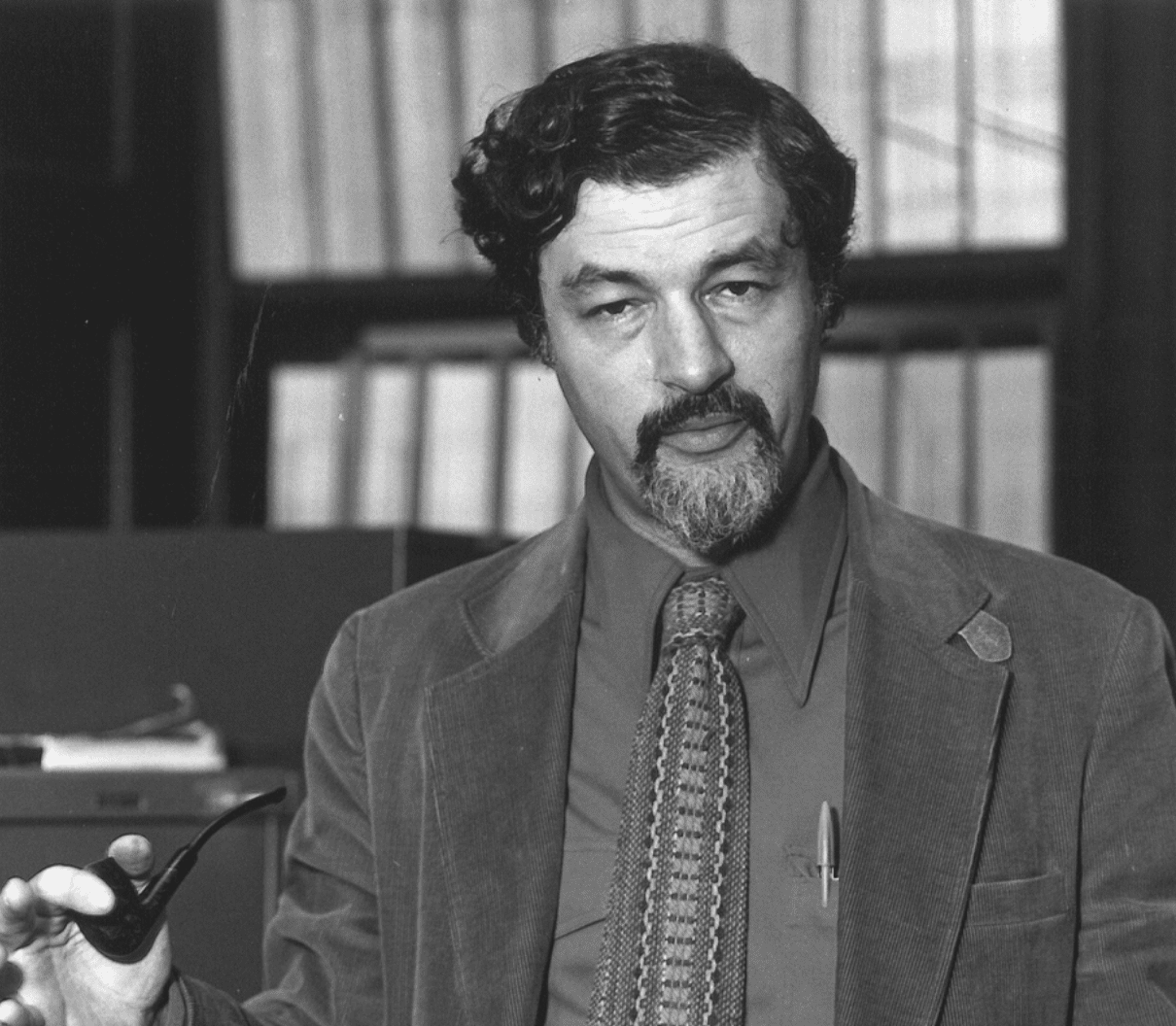

When you first hear his name, “lasers” or “university dorms” probably aren’t the first things that come to mind. But Isaac Abella was one of those scientists whose work impacted both the scientific field and the lives of people. Born in Toronto in 1934, he journeyed from a Canadian student to a professor at the University of Chicago, making significant contributions to the development of modern laser physics. Dive deeper with itoronto.
At first glance, it might seem like his life was all modest and serious: dissertations, spectroscopy, scientific research. And true, this isn’t a field that typically garners famous awards like the Pulitzer, but it’s precisely through such foundational work that genuine scientific breakthroughs happen. It was in the lecture halls and corridors of the university that Isaac discovered another side of his calling—as a teacher and mentor who didn’t just impart knowledge, but shaped future scientists. For him, teaching wasn’t a formality; it was a responsibility. And mentorship was a true calling that impacted students’ lives and careers. That’s why his students adored him—his classes with Isaac were charged with ideas, excitement, and a desire to learn.
A Brilliant Beginning and Childhood
Isaac Abella wasn’t a household name, and his name rarely made headlines. But those who knew him spoke of him with a warm smile, and not just as a brilliant physicist. He had a knack for explaining complex concepts simply, talking about lasers in a way that even humanities students would hold their breath, and conversing with students not from a pedestal, but like a close friend genuinely interested in how they were doing.
He was born in Toronto to a Canadian Jewish family. From a young age, he showed a keen interest in how the world worked. After getting his bachelor’s degree in Toronto, he moved to the United States and found himself at the epicentre of scientific breakthroughs, at Columbia University. There, he worked under Charles Townes, one of the inventors of the maser and a future Nobel laureate. Abella started in quantum optics, and even then, it was clear: this guy saw something more in physics than just equations.
For over forty years, Isaac taught at the University of Chicago. Students loved him because he didn’t just lecture like other professors; it was more like he was telling fascinating stories. Physics, when he spoke of it, transformed into an exciting journey. So, it’s no surprise that in 1969, Abella received the prestigious Quantrell Award for Excellence in Undergraduate Teaching, given to Chicago’s best educators. He also became the true heart and soul of Shoreland Hall, a residence where he lived for a long time with his wife, Alice—they hosted music nights, book discussions, and even cooking evenings featuring their students’ home cuisines.
His scientific achievements are still respected today, from his experiments with two-photon absorption to his research on laser properties in complex environments. But for many students and colleagues, he remained not just an “author of papers,” but someone who made them believe that science wasn’t a detached realm for geniuses, but part of a human quest for discovery and beauty.
Research in Laser Physics
In those years, when the word “quantum” sounded almost magical and lasers were just entering the scientific lexicon, Isaac Abella was already captivated by their potential. He didn’t just follow the news from labs; he was at the very heart of it all. Abella didn’t see it as magic, but as serious physics with very real and tangible implications for humanity’s future.
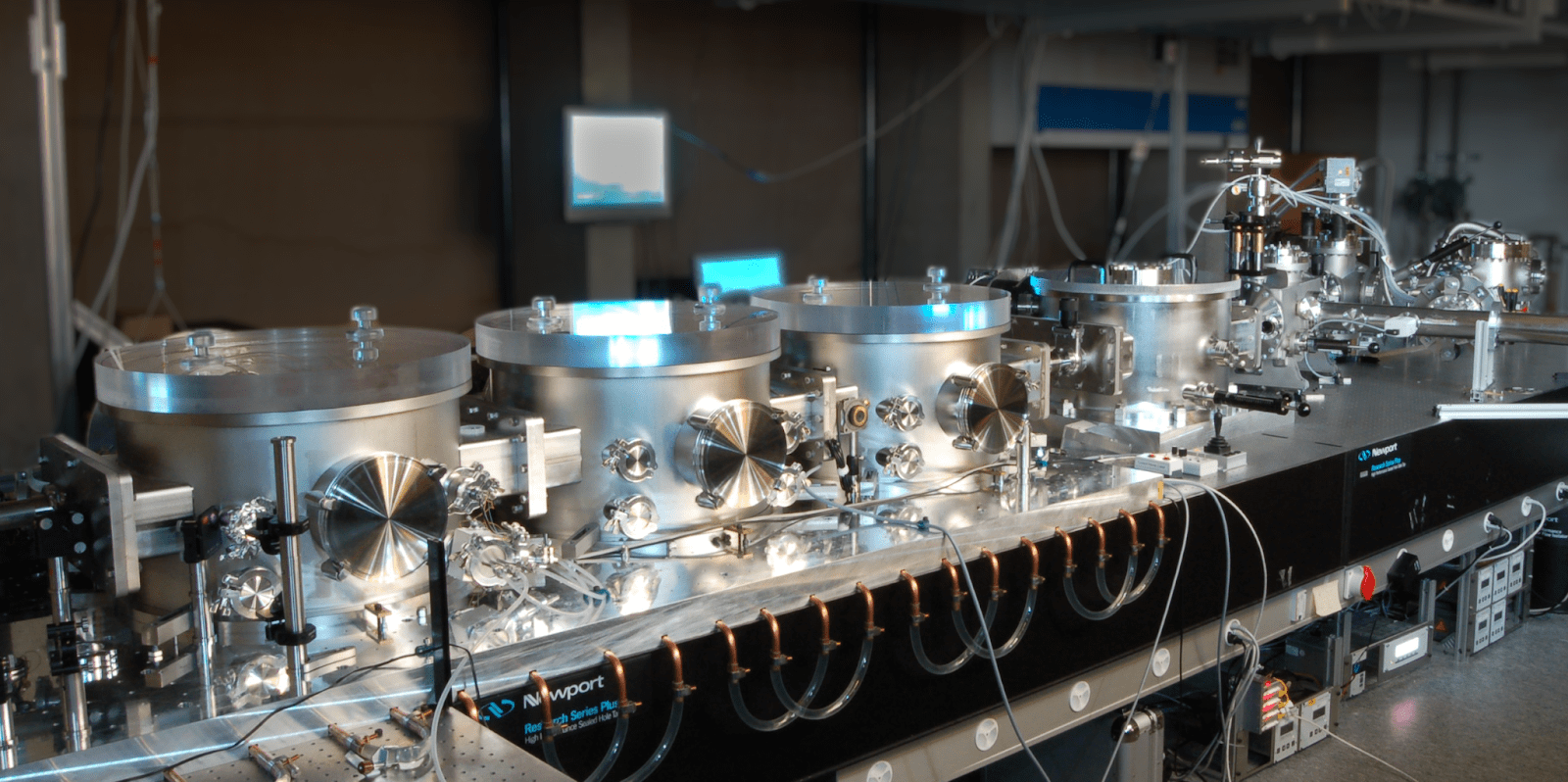
After his postdoctoral work at Columbia University, he dedicated many years to research in optics, particularly a phenomenon called two-photon absorption. The essence of it is the ability of some materials to “absorb” not one, but two photons of light simultaneously, opening up new ways for light to interact with matter. It sounds complex, but in Abella’s hands, the topic became clearer. His articles explained exactly how to “communicate” with molecules using laser pulses.
Scientists often value each other not just for depth, but for precision. Abella was valued for both. His research helped lay the groundwork for laser spectroscopy—a method still actively used today in medicine, chemistry, and biophysics. It’s thanks to people like him that we can “peer” into the composition of matter without physical intervention, simply with light. Also, his experiments at the University of Chicago were renowned not only for their results but also for their ethical approach. He believed that science should not only discover the world but also serve people. Abella always emphasized that new technologies are not an end in themselves, but tools for understanding and improving life.
So, even though Isaac Abella’s name rarely makes front-page news, his often unsung work underpins many technologies we take for granted today.
Teaching Career
Isaac Abella in Chicago was more than just a researcher; he was a true educator who understood that science thrives as long as it’s passed on. Isaac’s son, Benjamin Abella, noted that his lectures were far from boring textbook readings. Instead, students often said it felt like an engaging conversation about nature’s most fascinating and complex puzzles. Overall, at the University of Chicago, Abella mentored many young physicists. He wasn’t afraid of questions, even the simplest or most unexpected ones, believing that true understanding of everything in this world emerged through them. Under his guidance, many students found their path in science, and some even became renowned scientists themselves.
He fostered an environment where mistakes weren’t seen as failures, but as important steps towards knowledge and erudition. That’s why his lab was a place where anyone could conduct an experiment and see how physics worked in real life. His teaching philosophy was something like: “To understand science isn’t just about memorizing formulas; it’s about learning to ask the right questions.”
Overall, his contribution to shaping a new generation of physicists was just as crucial as his discoveries in the lab. After all, a true teacher lives on through their students, and Isaac Abella left behind a whole legacy of such followers.
Legacy and Memory
Isaac Abella left behind a real scientific legacy that won’t fade with time. His discoveries in laser physics influenced the development of technologies used today in medicine, communication, and even space exploration. But more important than any technical achievement was his dedication to science and to the people who followed in his footsteps. Throughout his life, Abella received numerous prestigious awards recognizing his contributions to physics, from scientific societies and universities alike. However, he considered the support of his students and colleagues to be the most valuable. Many of those who studied under him have become distinguished scientists themselves, continuing to develop the ideas he instilled in them. The memory of Isaac Abella lives on not only in scientific publications but also in the hearts of those who were fortunate enough to work alongside him. His name is mentioned at conferences, in lectures, and even in daily conversations among physicists, as a symbol of dedication and a true passion for knowledge.
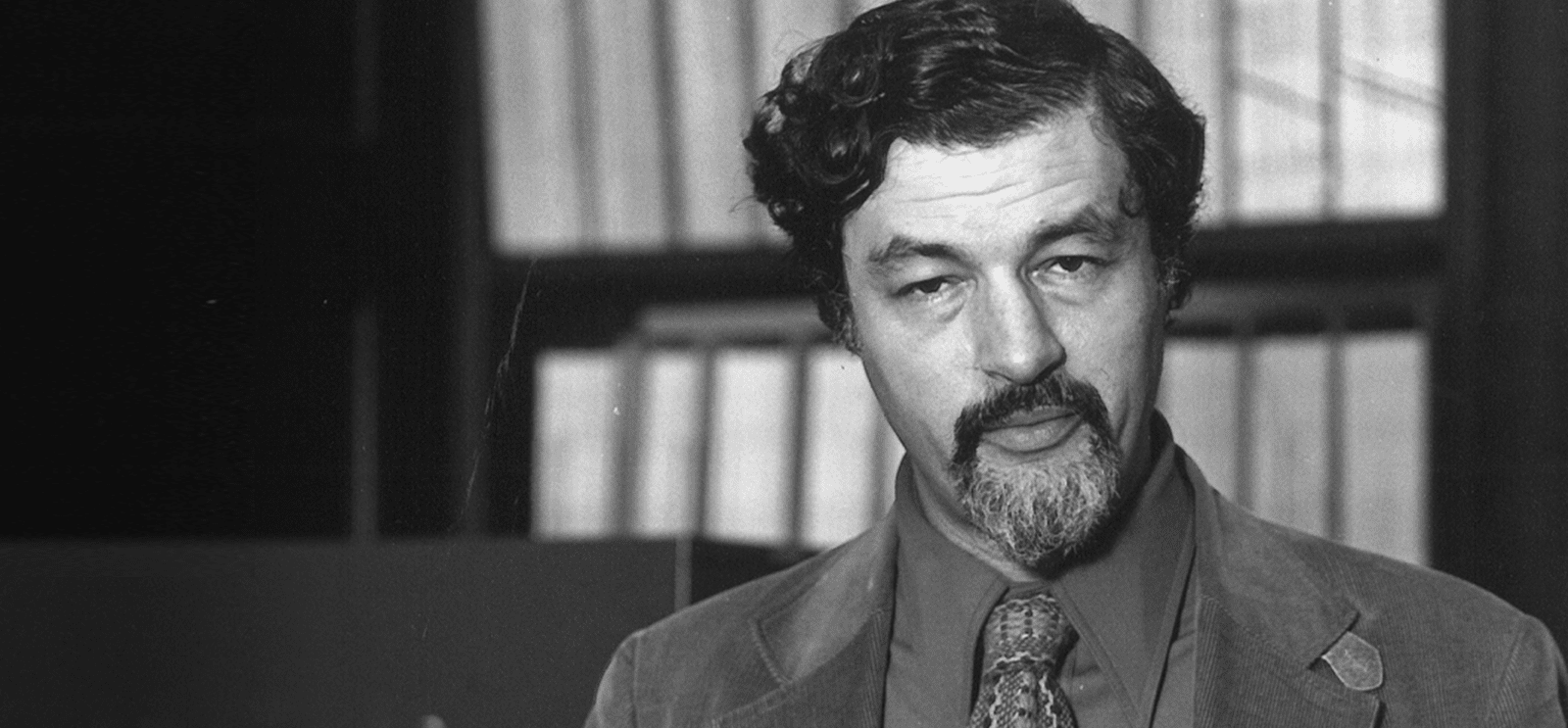
Isaac Abella never sought fame, nor did he chase after grand titles or awards. His path is an example of how quiet, yet persistent work can create true value. He belonged to that category of scientists and educators whose presence isn’t always outwardly flashy, but without whom the advancement of science and education would be unimaginable. And even if his name isn’t known to everyone, the impact of his work still resonates in everyday things.