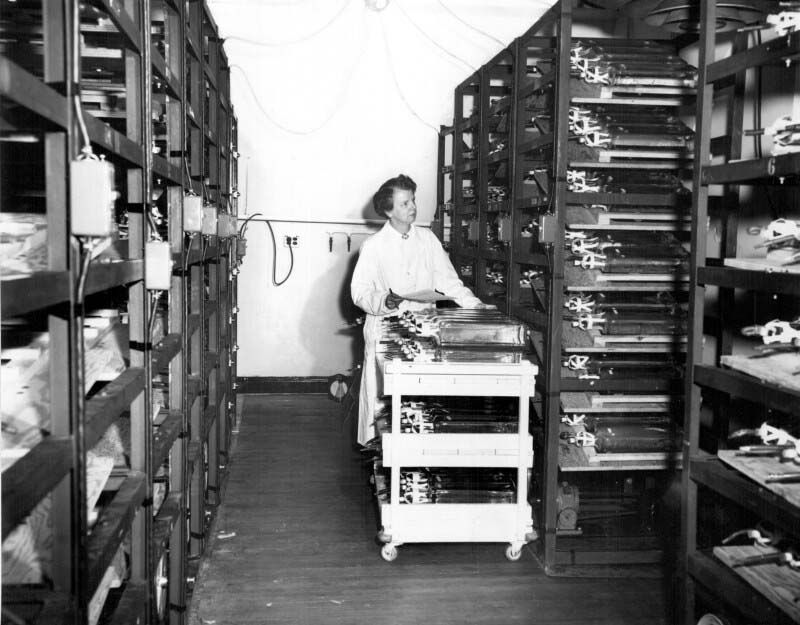

Leone Farrell was a brilliant biochemist, microbiologist, and inventor whose work revolutionized vaccine production in Canada and beyond. Best known for her contributions to the development of the polio vaccine, Farrell’s groundbreaking methods have saved countless lives. Learn more about her remarkable journey on itoronto.info.
Early Steps in Science
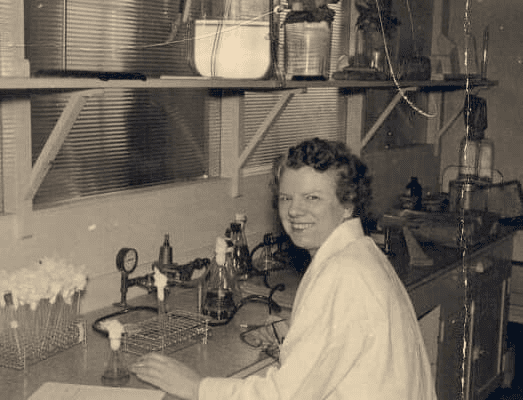
Leone Farrell was born on April 13, 1904, in Monkland, Ottawa. Shortly after her birth, her family moved to Toronto, where she attended Parkdale Collegiate Institute. Excelling academically, Farrell earned a scholarship in natural sciences and an academic award in English and history. She pursued a degree in chemistry at the University of Toronto, graduating with a master’s degree in 1929.
From 1929 to 1931, Farrell conducted microbiology research for her master’s thesis. After completing her studies, she moved to the UK to attend the London School of Hygiene & Tropical Medicine, where she focused on fungal metabolism in penicillin.
In 1933, Farrell returned to Canada and began her PhD studies in biochemistry at the University of Toronto under the mentorship of Dr. William Miller. After completing her doctorate, she joined Connaught Laboratories in 1934 as a research fellow.
Founded in 1914 at the University of Toronto’s Faculty of Medicine, Connaught Laboratories specialized in producing biological products such as vaccines and antitoxins. Farrell initially focused on developing toxoid vaccines to combat staphylococcus and dysentery.
Toxoids are derived from bacterial toxins that have been rendered non-toxic through chemical treatment, such as exposure to formaldehyde. These toxoids act as vaccines by stimulating the immune system to build resistance to diseases. By the 1920s, Connaught Laboratories had become Canada’s largest producer of diphtheria toxoid. Farrell built upon this foundation to develop toxoid vaccines for other bacterial infections.
Pioneering Achievements
Between 1939 and 1940, Farrell developed a novel “deep culture method” for growing bacteria and producing toxins. Using semi-synthetic liquid nutrient media in large bottles, she carefully aerated and incubated the cultures to encourage cell growth. This innovative approach, later known as the “Toronto Method,” allowed for large-scale vaccine production.
Farrell adapted this method to mass-produce pertussis (whooping cough) vaccine at a significantly reduced cost—$0.008/ml compared to the previous $0.08/ml. This made vaccines more affordable and accessible for childhood immunization programs.
During World War II, Farrell contributed to the production of several essential products, including vaccines for cholera and dysentery. She also lectured at medical colleges and universities, furthering public health education.
In the early 1950s, Farrell improved antibiotic production by developing a new strain of penicillin that yielded 20 times more product than the original strain.
Farrell’s most significant contribution came in her work on the polio vaccine. Using the “Toronto Method,” she developed a system for large-scale cultivation of the poliovirus. All research, liquid development, and virus cultivation were conducted at Connaught Laboratories under Farrell’s leadership. By 1955, Connaught Laboratories was a global leader in vaccine production, largely due to her efforts.
Farrell continued her research into vaccine production, focusing on improving vaccine stability and developing better methods for testing human immunity against polio and other diseases.
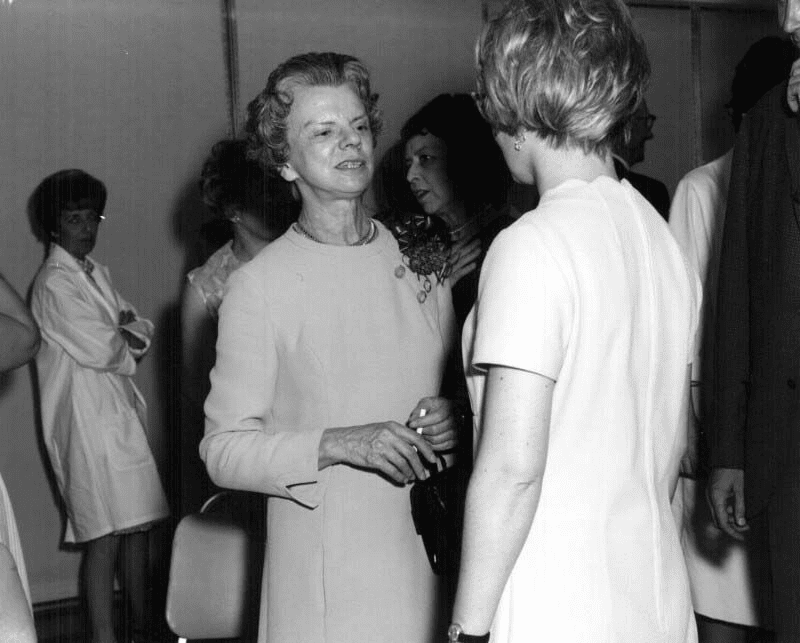
Farrell retired in 1969, leaving behind an enduring legacy. Her innovations accelerated the production of whooping cough vaccines and enabled the large-scale manufacturing of the polio vaccine, saving millions of lives.
Leone Farrell’s work transformed the field of microbiology and vaccine production, ensuring her place among Canada’s most influential scientists.