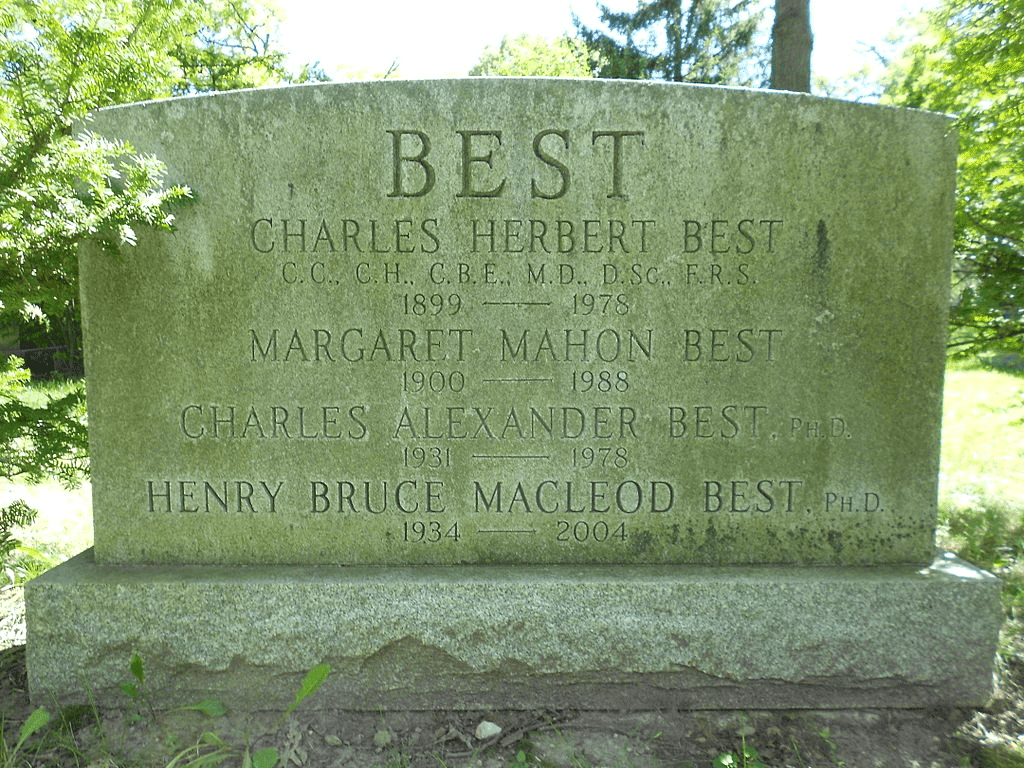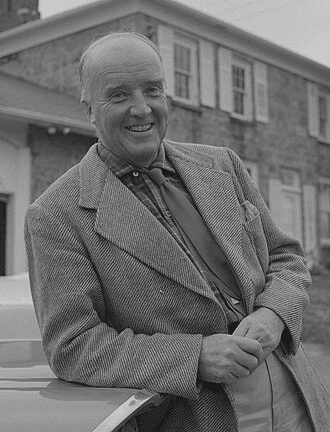
Charles Best, a renowned physiologist, medical researcher, and university professor, played a pivotal role in the discovery of insulin. While this breakthrough marked the pinnacle of his career, it was also a source of lifelong regret due to a lack of recognition for his contributions. Learn more about his journey on itoronto.
Family and University Education
Born to a Canadian country doctor, Charles Best, known as “Charlie” to his family, received his early education locally before completing his final year of high school in Toronto, where he had relatives. In 1916, he enrolled at the University of Toronto, initially pursuing arts before switching to a specialized program in physiology and biochemistry.
His studies were interrupted when he enlisted in the Canadian Army during World War I, though he did not see combat. Best returned to the university and graduated with a Bachelor of Arts degree in 1921. Aspiring to pursue a master’s degree, he took a summer position as one of two student assistants to Professor John James Rickard Macleod, a leading physiologist.
It was during a lecture by Macleod that Best first heard of Dr. Frederick Grant Banting, who had proposed an experimental idea to isolate the elusive internal secretion of the pancreas, believed to regulate metabolism. Macleod assigned Best and fellow student Edward Clark Noble to assist Banting. While both Banting and Noble recalled flipping a coin to decide who would work with Banting first, Best later denied this claim, attributing his involvement to a deep personal interest in diabetes, a disease that had claimed the life of one of his aunts.
Working with Frederick Banting and Conducting Experiments
Charles Best was instrumental in assisting Frederick Banting during animal experiments in the summer of 1921, which led to remarkable results from the administration of pancreatic extracts to dogs with depancreatized diabetes. His primary duties included conducting blood sugar analyses and other biochemical tests, while also supporting Banting in performing surgical procedures on the dogs. During mid-June, when Best was away for militia training, Noble conducted some of the tests. Upon Best’s return, Banting insisted on his continued involvement, emphasizing the importance of consistency in the research. Noble and Best agreed that it made little sense for Noble to take over the position midway through the project.
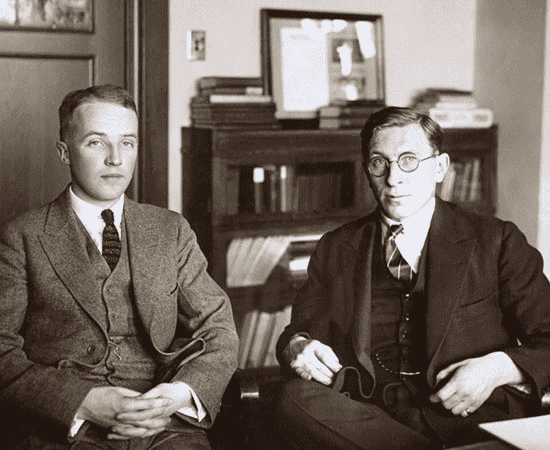

Frederick Banting and Charles Best had no significant disagreements, and they enjoyed substantial collaboration while executing the intricate plan of experiments, often behaving as equals. Best’s name, for example, appeared on all publications related to the research findings. However, Banting clearly served as the senior partner, taking charge of organizing the experiments and communicating with the laboratory’s director, Macleod. In December, Best expressed some dissatisfaction when, at Banting’s urging, Macleod invited the experienced biochemist James Bertram Collip to join the team to apply his expertise in purifying the pancreatic extracts they had been using.
Best seemed to focus on his tasks during the triumphant but dramatic events of January 1922. Collip’s extract performed exceptionally in a key human trial. Unfortunately, Banting, growing anxious that Macleod and Collip were unjustly claiming credit for the work, had a fierce confrontation with Collip in the laboratory. Best stepped in to separate them and later signed an agreement on January 25, 1922, committing the group to work together under Macleod’s direction.
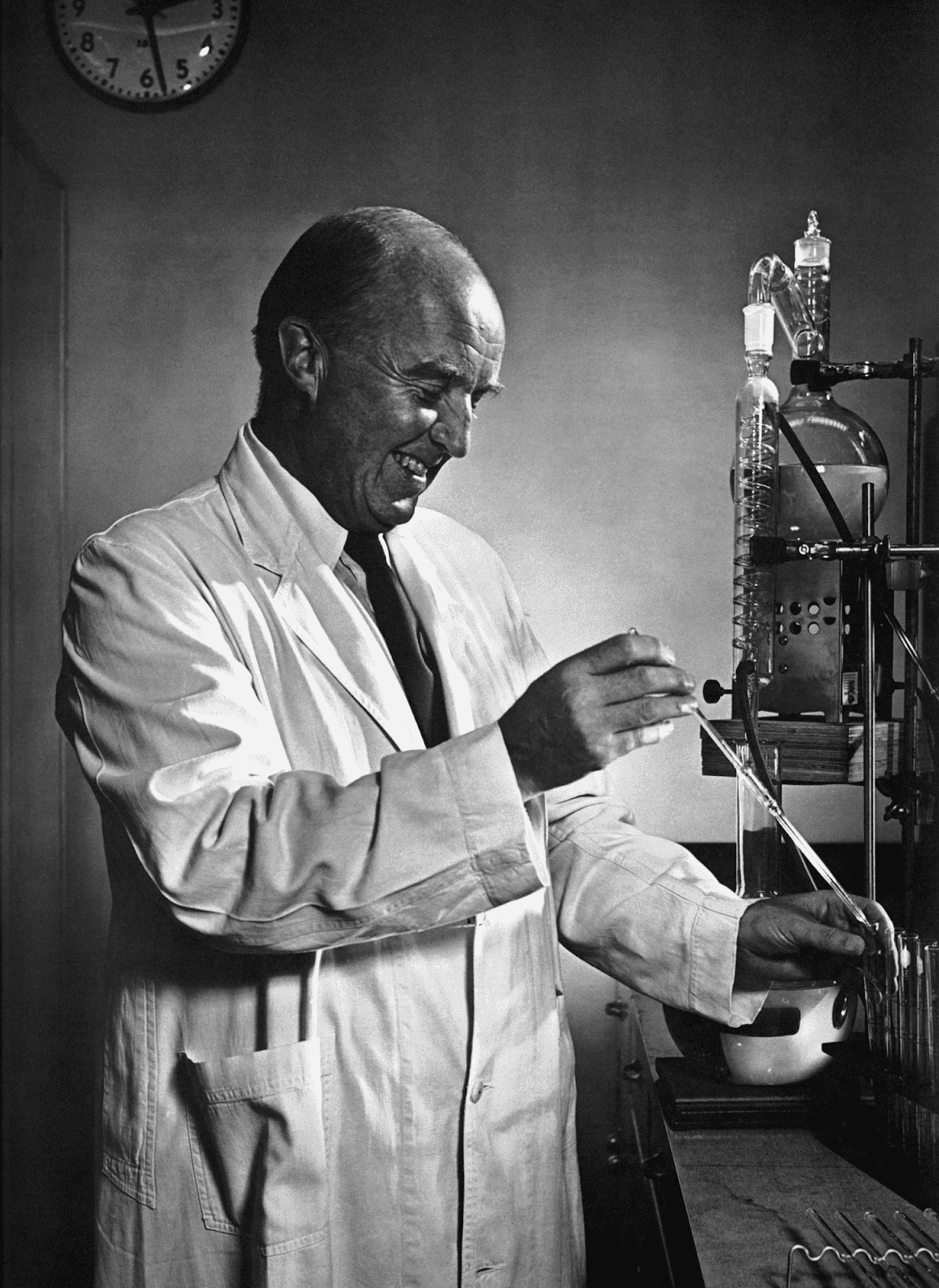
The primary responsibility for producing extracts was assigned to Collip, while Macleod delegated other research tasks to the team members, including Best. Within weeks, Collip faced significant difficulties in consistently producing effective extracts, now referred to as insulin. Best encouraged Banting, who had become marginalized and was under considerable stress, to return to the lab to help resolve the issue. Banting deeply appreciated Best’s support during this crisis, which became even more critical when Best and Macleod succeeded in developing new procedures to produce small quantities of highly potent insulin. Best then delivered this improved product to Banting for patient administration, further solidifying Banting’s position in the fight for recognition and influence.
Charles Best’s Role Post-Insulin Discovery
By the end of 1922, insulin was hailed as one of the greatest medical advancements of the 20th century. However, disputes over credit quickly emerged. Banting’s supporters, including influential figures in Toronto, sought to portray him as the sole discoverer, often diminishing Best’s role as merely an assistant.
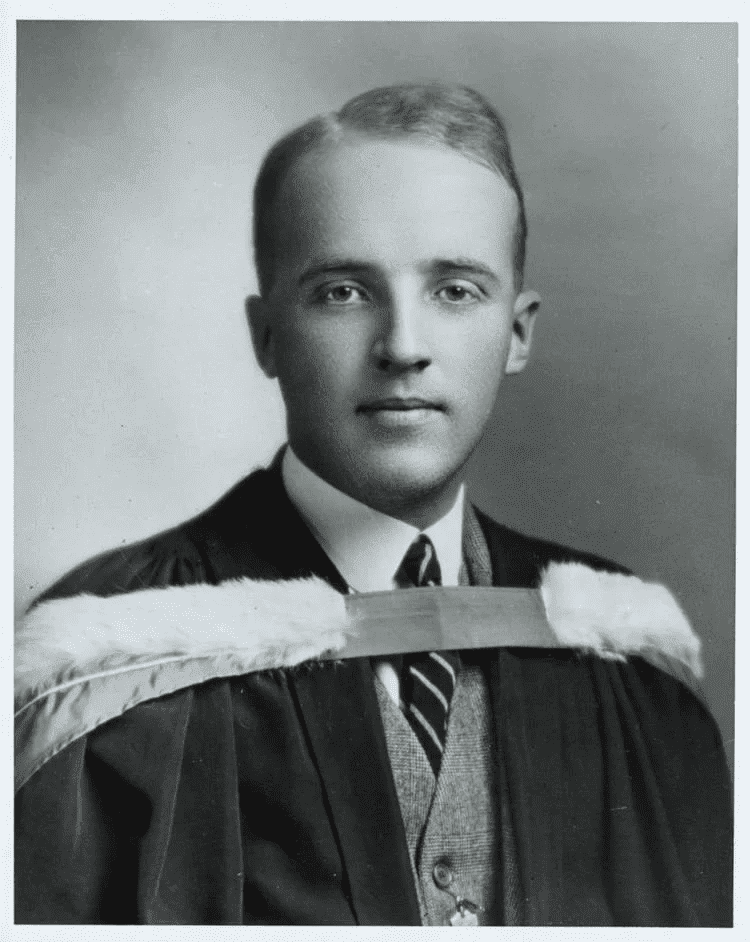
Despite the controversies, Best continued his education, earning a Master’s degree in 1923 for his contributions to insulin research. He later completed his Bachelor of Medicine degree in 1925.
Marriage, Further Education, and Academic Degrees
Showered with awards and scholarships and happily married since September 1924 to the beautiful Margaret Mahon, Charles followed the wise advice to leave Toronto for advanced postgraduate work under the renowned British physiologist Sir Henry Hallett Dale. Dale became an influential role model, mentor, and friend. Later, Best earned his Doctor of Science degree from the University of London in 1928, having returned the previous year to the University of Toronto as a lecturer. He soon became the head of the Department of Physiological Hygiene. In 1929, he was invited to replace Macleod as professor and chair of the Department of Physiology.
Best’s Relationship with Banting After the Experiments
Following the insulin research, collaboration between Best and Banting came to an end. Banting held an independent research chair at the university, which gradually evolved into the Banting and Best Medical Research Department. In his domain, Best worked on various projects, including studying the dietary factor choline, investigating the physiology of Olympic athletes, and gradually focusing on purifying the anticoagulant heparin, which had been discovered at Johns Hopkins University. The development of heparin became a major, high-impact project in Toronto, leading to pioneering applications of the substance in surgery and polite, albeit occasionally contentious, claims to credit among researchers in Toronto and other centres.
Best also lent his name to the textbook “The Physiological Basis of Medical Practice” (Baltimore, Maryland, 1937), which was primarily authored by his department colleague Norman Burke Taylor. This textbook became widely adopted in medical schools.