

Choosing the most remarkable inventions from Toronto’s history is no easy task. From pea-meal bacon sandwiches to table hockey, and even the motor technology behind the Scarborough RT, the city has produced countless creations for enjoyment and utility. Toronto has also gifted the world with a popular soft drink, a variation of 10-pin bowling, and much more. Today, let’s focus on five innovations that have significantly impacted lives and brought immense benefit to humanity. Read on at itoronto.
Canada Dry Ginger Ale
Before being acquired by the U.S.-based Dr Pepper Snapple Group, which produces 7 Up, A&W Root Beer, and Clamato, Canada Dry originated as a Toronto-based brand. Pharmacist John James McLaughlin, inspired by fizzy beverages in New York, created “Tona-Cola,” a local version of Coca-Cola, followed by “Hop-Tone,” a bitter-sweet tonic, and finally, Canada Dry. This drink, often referred to as the “champagne of ginger ales,” delivers a sparkling sensation with every sip.

Canada Dry gained widespread popularity, even earning royal recognition from Canada’s governor-general, reflected in its crown-shaped logo. McLaughlin’s company became renowned, though operations left Toronto in the 1920s following his death in 1914.
Insulin
While insulin was a natural creation of the human body, its discovery and application as a treatment for diabetes are attributed to two University of Toronto scientists: Frederick Banting and J.J.R. Macleod. Working at Connaught Laboratories, Banting and Macleod conducted groundbreaking experiments, successfully administering the first insulin injection to 14-year-old Leonard Thompson at Toronto General Hospital in 1922. Their work earned them the 1923 Nobel Prize in Medicine.
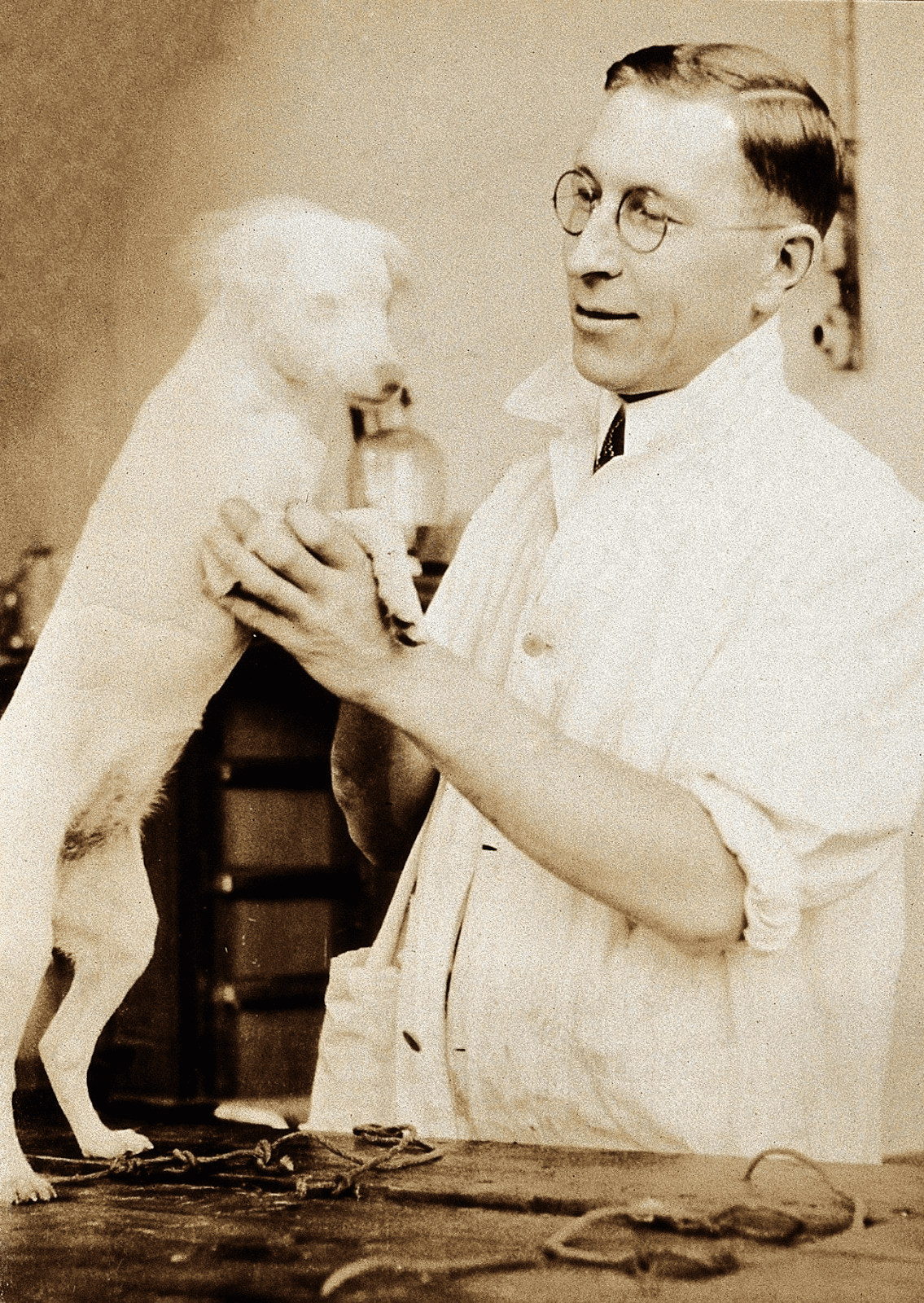
Despite controversy surrounding the credit for insulin’s discovery, Banting’s critical realization came in October 1920 when he theorized a method for isolating insulin-producing cells from the pancreas. His insight paved the way for controlled diabetes treatment, ultimately transforming millions of lives.
Whoopee Cushion
Not every Toronto invention is life-saving. The humble yet entertaining Whoopee Cushion was created by JEM Rubber Co., near Dundas West and Jane, in the 1930s. Initially made from small bellows, the product underwent refinement into its iconic rubber form.
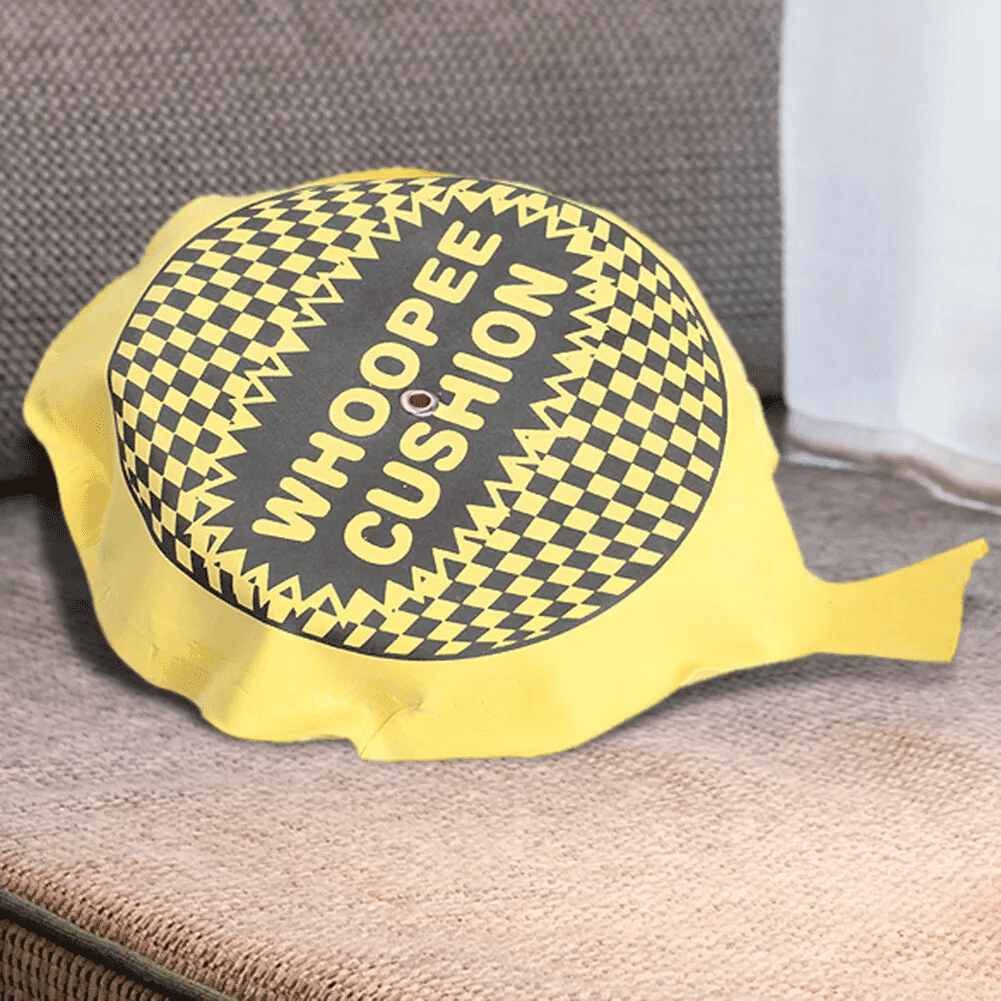
Though one distributor dismissed it as “indelicate,” the Whoopee Cushion eventually found its audience, becoming a global favourite among pranksters.
5-Pin Bowling
Have you ever felt like a weakling trying to roll a 10-pin bowling ball? Tommy Ryan understood your struggle. The owner of a Toronto bowling club on Yonge Street noticed that his upscale clientele had difficulty handling the 16-pound balls used in 10-pin bowling. By reducing the size and number of pins, Ryan struck gold. In 1909, he debuted a game that would make his name famous across the country. Jamie Bradburn, writing for Torontoist, notes that Ryan, aside from being a successful entrepreneur, was also a recognized prankster, known for electric handshakes and rubber hot dogs. Undoubtedly, he also had an affinity for the Whoopee Cushion.
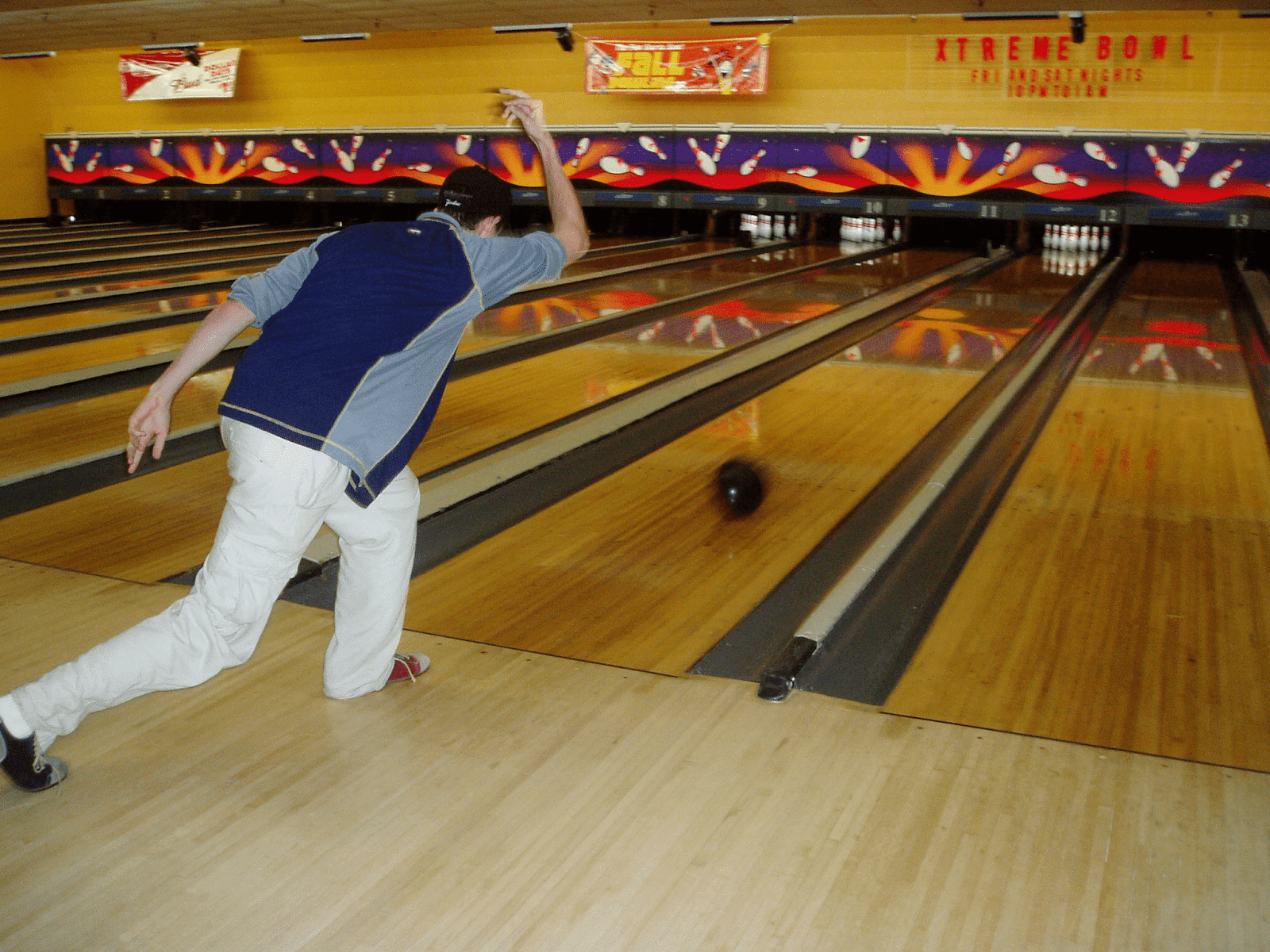
Bowling has been played in countless variations for over 5,000 years, with the earliest bowling artifacts traced back to Ancient Egypt. No, the Egyptians didn’t play 5-pin bowling. In fact, what they were doing would likely be unrecognizable to us today. Nevertheless, it was a starting point for the evolution of the game. The birth of 5-pin bowling was a product of its era and the ingenuity of one eccentric individual. Thomas Ryan, the inventor of 5-pin bowling, initially opened Canada’s first 10-pin centre at the corner of Yonge and Temperance Street in downtown Toronto, featuring 10 lanes, palm trees, and a string orchestra. A private members’ club, the bowling centre catered to a well-heeled crowd.
Many of Ryan’s clients, eager to enjoy a quick game of bowling during their lunch breaks, were dissatisfied with the slow pace of 10-pin bowling. Moreover, the ball was considered too heavy. In response, Mr. Ryan asked his father to carve a few smaller pins, introduced a hand-sized ball, and developed a scoring system. Thus, 5-pin bowling was born in its original form in 1909.
The popularity of 5-pin bowling soared. By 1910, the first league had been formed. From there, the game exploded across the country, with an astonishing number of league bowlers. By the 1950s, it was estimated that Toronto alone had 120,000 league bowlers at any given time. Over the following decades, the sport evolved with the establishment of various governing associations and the introduction of a national youth bowling program in 1963, which has served over 2.2 million registered 5-pin bowlers since its inception.
Modern 5-pin bowling remains a cherished pastime for people of all ages and abilities across the country.
Pablum
In the 1930s, SickKids Hospital in Toronto faced a challenge: providing children with nutritious, vitamin-rich food. Enter Pablum, a nutrient-packed cereal developed by Drs. Frederick Tisdall and Theodore Drake. Containing iron, vitamins A and G, calcium, and phosphorus, this innovative mixture earned royalties for SickKids with every package sold.

During the early 20th century, malnutrition and diseases caused by contaminated milk led to high infant mortality rates in Canada. Many mothers relied on homemade mixtures or cereal porridges, which lacked essential nutrients and often caused digestive problems. Pablum became a life-saving solution, dramatically improving infant nutrition and health outcomes.
Toronto’s inventions, from ginger ale to insulin, showcase the city’s remarkable legacy of creativity, problem-solving, and innovation. These contributions have had a profound impact on both local communities and the world at large.