At the beginning of the 20th century, Toronto faced the devastating Spanish Flu, now considered the deadliest pandemic in history. Following the outbreak, quarantine measures were introduced in the city, dividing people’s lives into “before” and “after.” Read more about how Torontonians battled the flu at itoronto.info.
Protective Measures
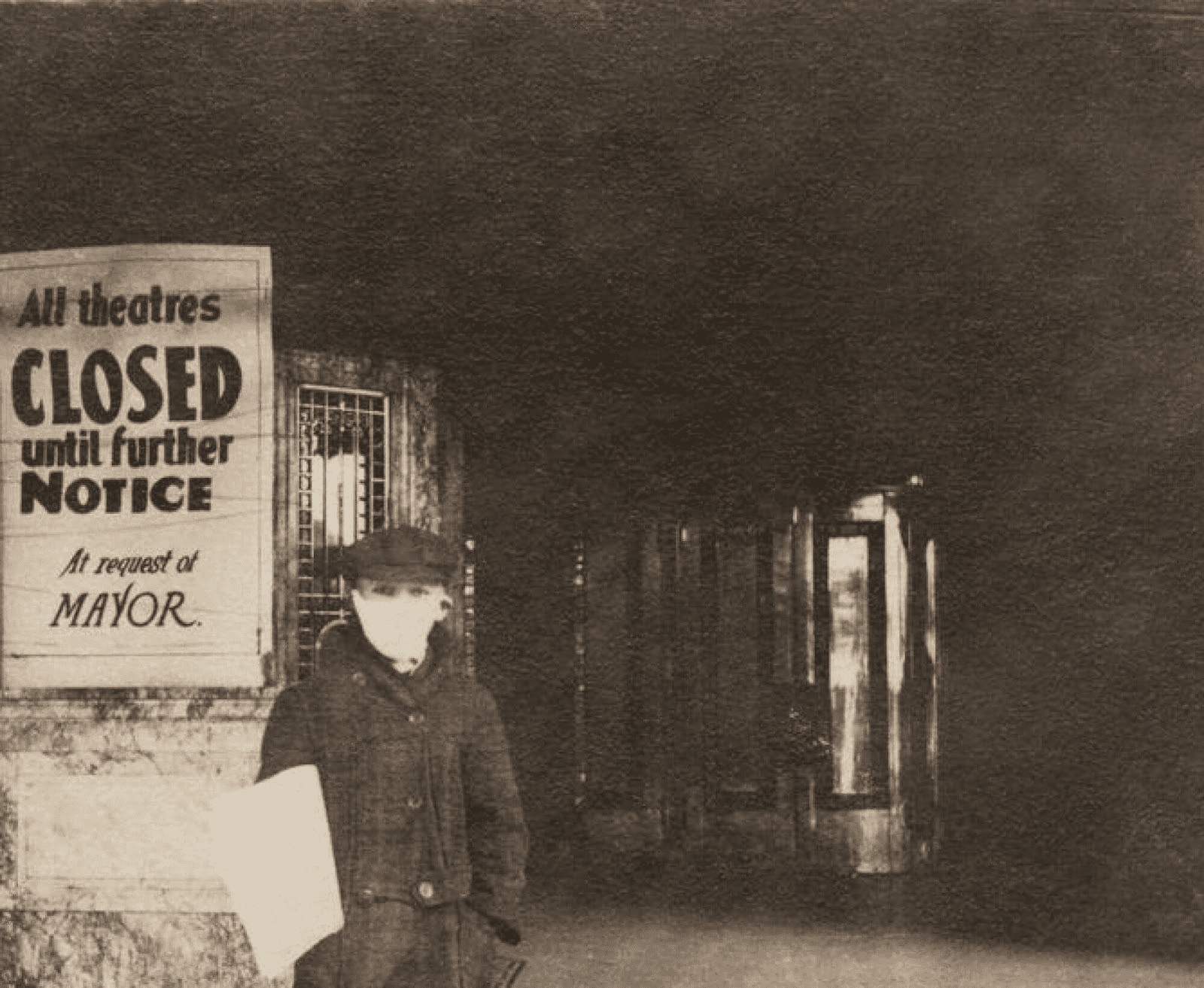
In September 1919, Toronto reported its first cases of the Spanish Flu, a highly contagious and unfamiliar strain of influenza. In response, city officials and the Board of Health urged residents to self-isolate. Globally, the Spanish Flu infected 500 million people, roughly one-third of the world’s population at the time.
Citizens were instructed to avoid large gatherings. However, compliance was minimal, allowing the virus to spread rapidly. Authorities also recommended the use of surgical masks, but the effectiveness of mask-wearing was later discredited. Public confidence in masks as a preventative measure waned, leading to widespread ridicule. This sentiment was documented in the Canadian Medical Association Journal in 1918.
From the onset of the epidemic, Toronto began shutting down entertainment venues. On October 10, 1918, Toronto’s Chief Medical Officer, Charles Hastings, issued an order to close the Royal Alexandra Theatre. By October 19, all theatres and other entertainment venues in the city had ceased operations. Churches and schools across the province followed suit, and all non-essential businesses were forcibly closed. Only streetcars continued to operate within the city.
Hastings warned Torontonians that thousands of new cases would soon emerge and emphasized that the community’s efforts were crucial in curbing the virus’s spread.
By the fall of 1918, many believed the worst of the pandemic had passed. However, few anticipated that a second wave would strike so soon, resulting in millions of additional deaths. By October, Toronto’s hospitals were overwhelmed with patients.
In 1919, the federal government established the Department of Health, tasked with implementing quarantine measures and opening new hospitals to address the crisis.
Symptoms of the Spanish Flu
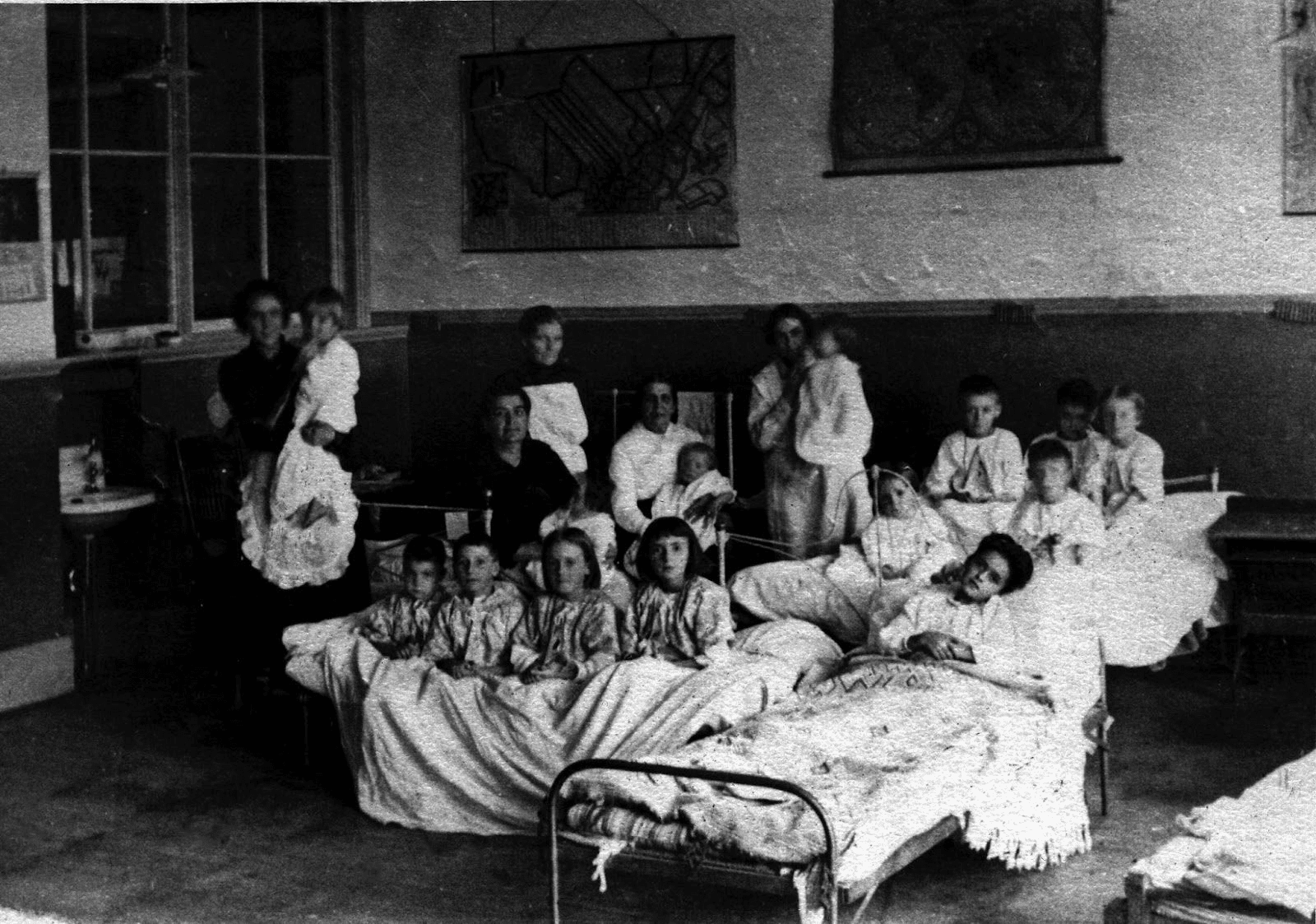
The symptoms of the Spanish Flu resembled those of common influenza, including chills, mild coughing, fever, and headaches. Without proper treatment, the illness rapidly worsened, leading to severe complications and death. Most fatalities were caused by pneumonia. The disease predominantly affected individuals aged 20 to 40, with high-risk groups including nurses, railway workers, and construction laborers.
Treatment and Statistics
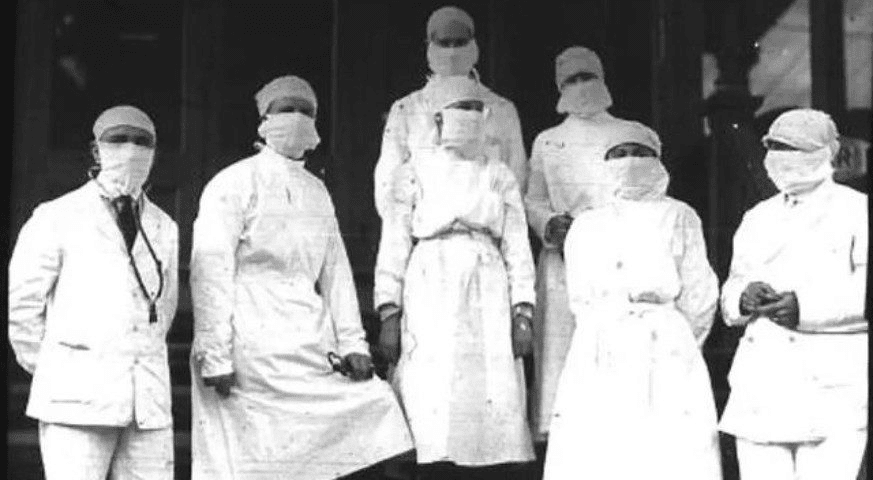
In 1918, local newspapers began publishing treatment advice for the Spanish Flu. Remedies included inhaling ultraviolet light and using mint-based tablets.
However, medical professionals knew little about the virus, and no medications provided effective treatment. The flu often progressed swiftly, with many patients seeking help too late. Doctors advised patients to stay hydrated and rest, but with no vaccines or reliable treatments, families were often left to watch helplessly as their loved ones succumbed to the illness.
The Spanish Flu also had a profound psychological impact on children. With schools closed, many stayed home, assisting in caring for sick family members and witnessing the deaths of their loved ones firsthand.
In Canada, which had a population of approximately 8 million at the time, the Spanish Flu claimed up to 50,000 lives. Ontario recorded 300,000 cases, with 8,705 reported deaths—though the actual numbers were likely higher. The overwhelmed healthcare system often failed to report all fatalities accurately.
The Spanish Flu left a lasting scar on the city and underscored the importance of public health measures, the consequences of inadequate healthcare infrastructure, and the resilience of Torontonians during one of history’s darkest chapters.