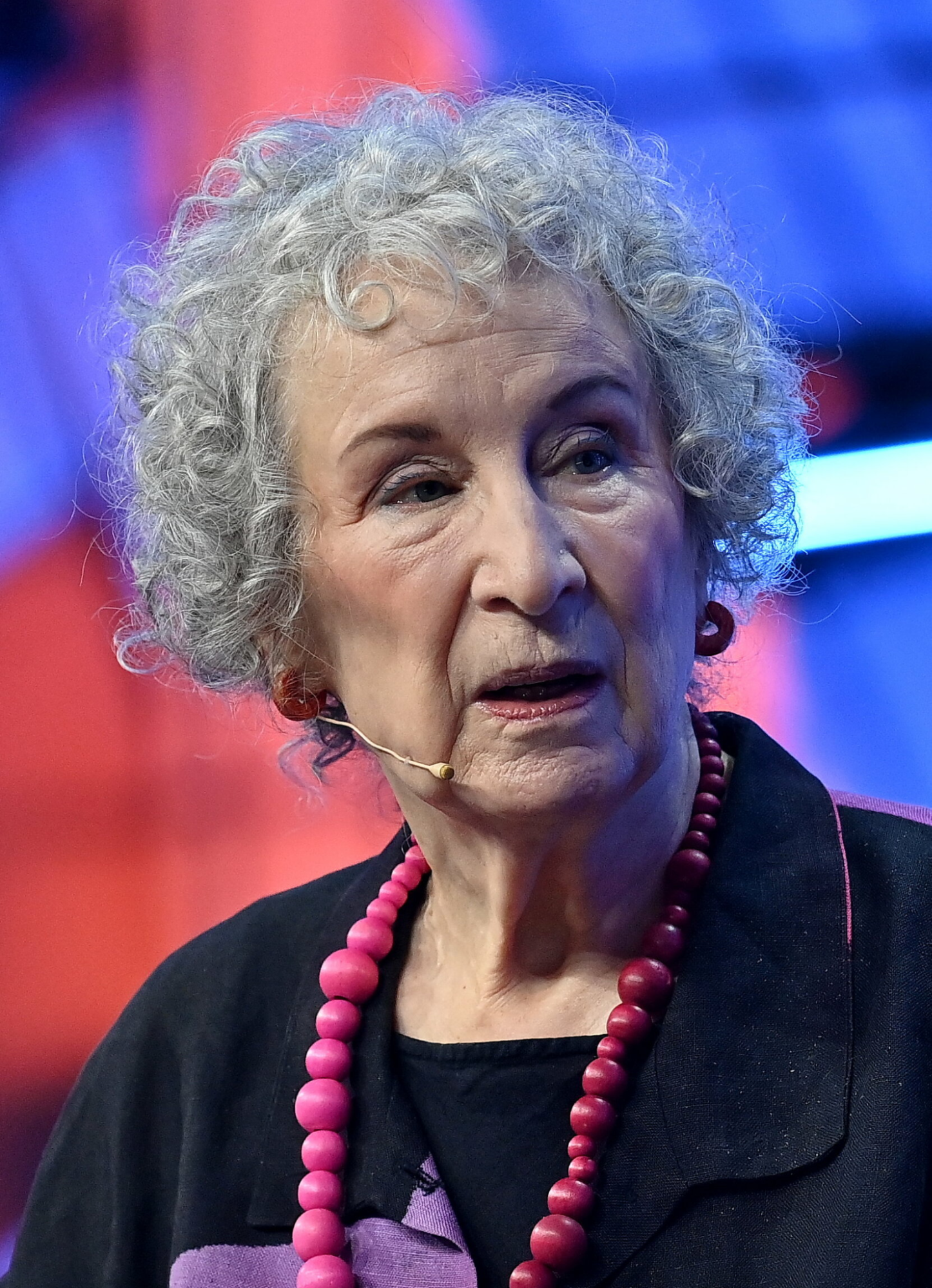

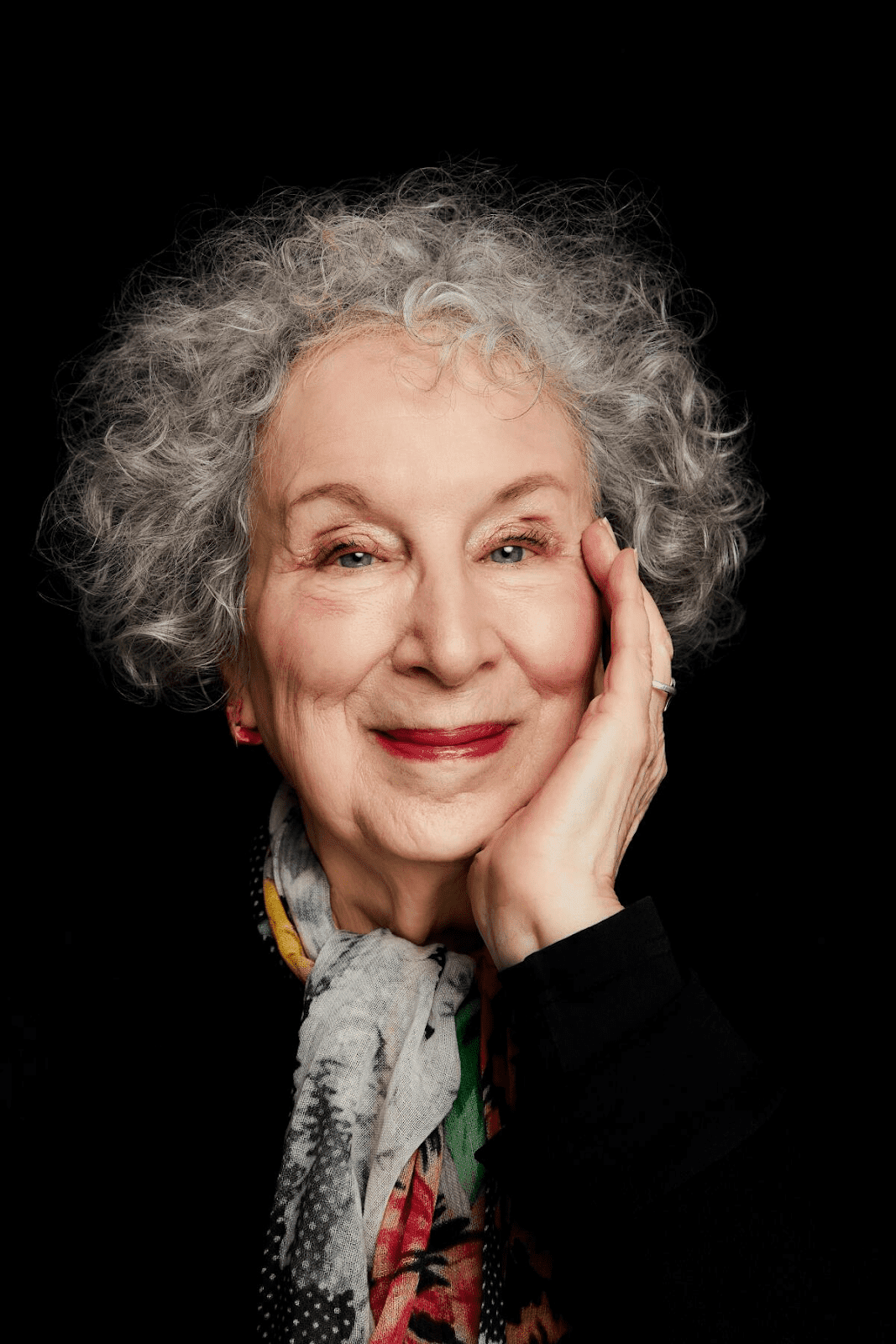
Renowned author Margaret Atwood was born in Ottawa, Ontario, in 1939. Read more on itoronto.
As the daughter of a forest entomologist, Margaret Atwood spent part of her early years in the wilderness of Northern Quebec. At the age of seven, she moved to Toronto, marking the beginning of her journey as a writer.
Early Life and Education
Margaret Atwood studied at the University of Toronto and earned her master’s degree from Radcliffe College, Massachusetts, in 1962. She is considered Canada’s most prominent author and poet. In addition to her novels, she writes short stories, critical studies, screenplays, radio scripts, and children’s books. Her works have been translated into over 30 languages. Atwood’s reviews and critical essays have appeared in various prestigious journals. She has also edited several notable books, including The New Oxford Book of Canadian Verse in English (1983) and, with Robert Weaver, The Oxford Book of Canadian Short Stories in English (1986).
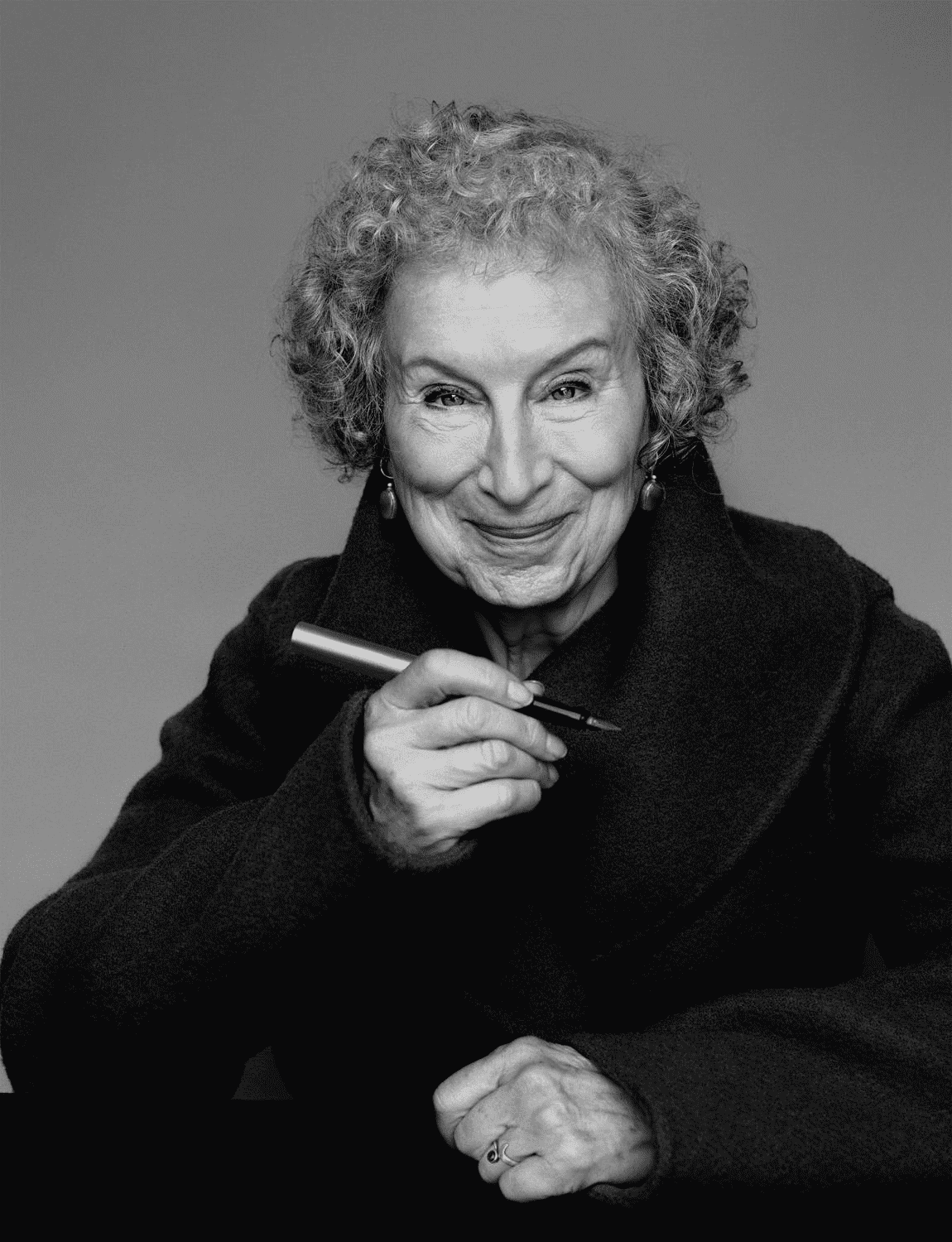
Since 1972, Atwood has been a full-time writer. She initially taught English and later held various academic positions and writer residencies. Notably, she served as president of the Writers’ Union of Canada from 1981 to 1982 and president of PEN Canada from 1984 to 1986. Her first publication was a poetry collection titled The Circle Game (1964), which won the Governor General’s Literary Award for Poetry in Canada. This was followed by several other poetry collections, including Interlunar (1988), Morning in the Burned House (1995), and Eating Fire: Selected Poetry, 1965–1995 (1998). Her collections of short prose include Dancing Girls and Other Stories (1982), Wilderness Tips (1991), and Good Bones (1992).
Renowned Works and Adaptations
Margaret Atwood is best known for her novels, which feature strong, often enigmatic female characters and masterfully told open-ended stories. Her works delve into modern urban life and sexual politics. Her first novel, The Edible Woman (1969), follows a young woman who feels consumed and unable to eat. This was followed by Surfacing (1973), about a woman investigating her father’s disappearance; Lady Oracle (1977); Life Before Man (1980); Bodily Harm (1982), the story of Rennie Wilford, a young journalist recovering on a Caribbean island; and The Handmaid’s Tale (1986), a dystopian novel exploring a woman’s struggle to escape societal constraints. Later novels include Cat’s Eye (1989), addressing the theme of bullying among girls; The Robber Bride (1993); Alias Grace (1996), about a woman convicted of involvement in two murders who claims no memory of the events; The Blind Assassin (2000), a multilayered family memoir; and Oryx and Crake (2003), a vision of a dystopian future that was shortlisted for the 2003 Booker Prize for Fiction and the 2004 Orange Prize for Fiction. Alias Grace, The Handmaid’s Tale, and Cat’s Eye were shortlisted for the Booker Prize, with The Blind Assassin winning the award in 2000.
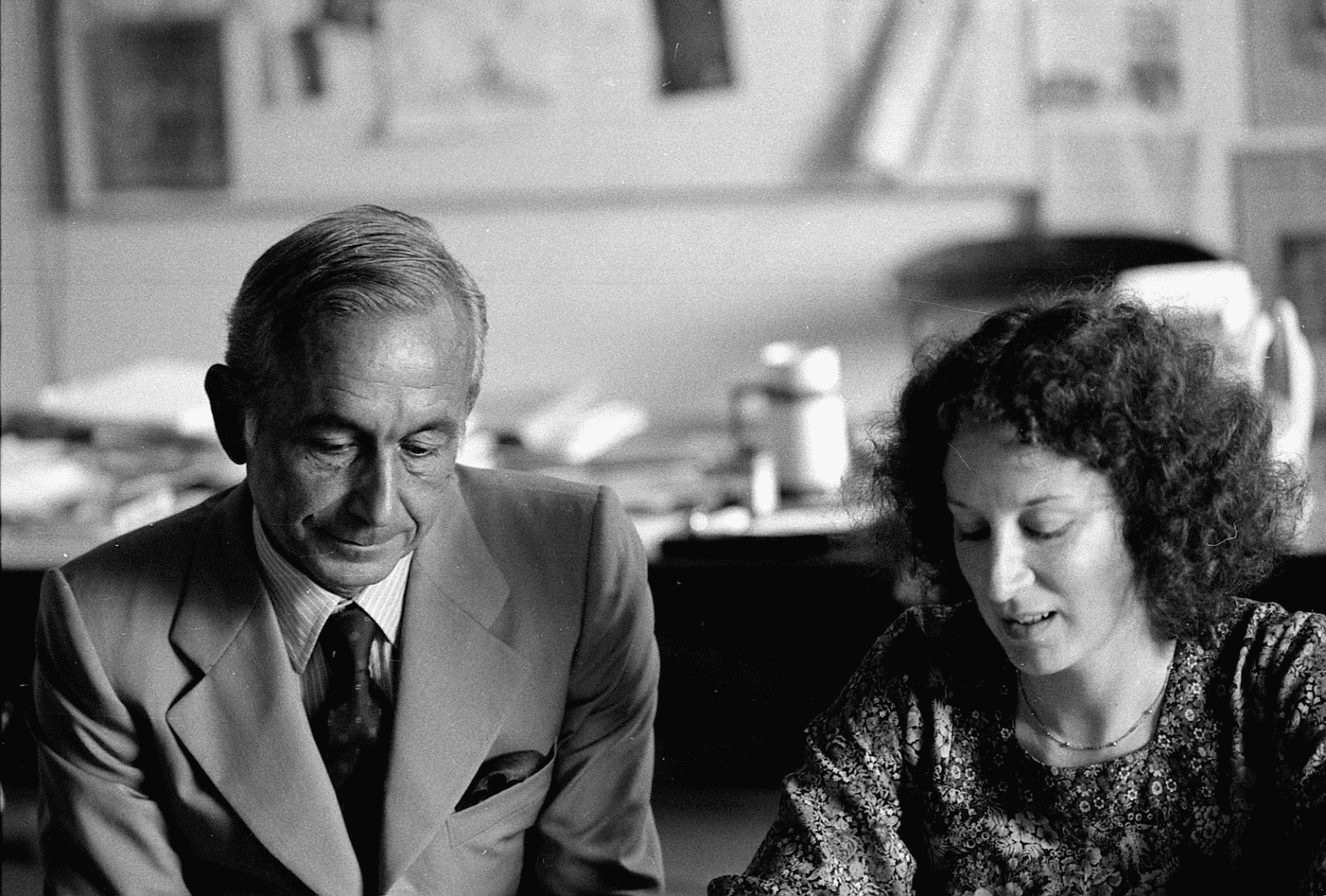
Several of Atwood’s works have been adapted for stage and screen. In 2017, Alias Grace became a television series, and The Robber Bride was made into a film in 2007. The Edible Woman was staged, and The Handmaid’s Tale was adapted by Harold Pinter for a film directed by Volker Schlöndorff in 1990. It was also turned into an opera by Poul Ruders (its British premiere was at the English National Opera in London’s Coliseum in April 2003) and became a television series in 2017.
Atwood’s Creative Themes and Her Most Famous Novel
When first encountering Margaret Atwood’s work, readers may feel intimidated. She is considered one of the world’s leading novelists, with some calling her the best. In addition to writing poetry, novels, criticism, and short stories, Atwood champions human rights and environmental causes. Recurring themes, issues, and writing techniques are evident throughout her career. Atwood explores art and its creation, the dangers of ideology, and sexual politics. She deconstructs myths, fairy tales, and classical works for new audiences. Her works often carry a Gothic tone, contributing to their broad appeal.
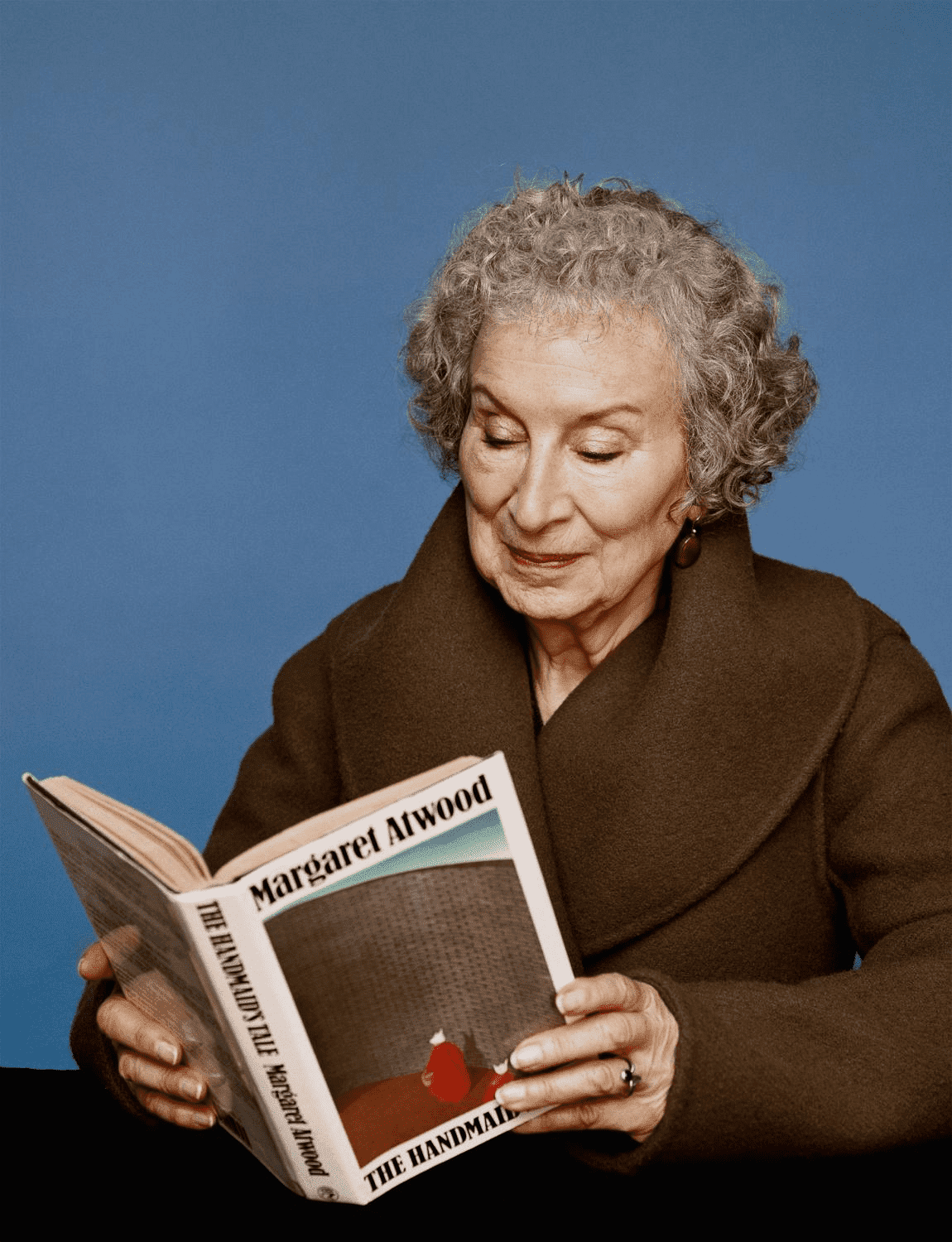
The Handmaid’s Tale (1986) remains Atwood’s most iconic novel. The story of Offred, a woman living in the Republic of Gilead—a chillingly imagined future America—features many hallmarks of Atwood’s style. The novel is overtly political, examining restricted personal rights and the power dynamics between men and women. Offred’s narrative—a book within the book—portrays her attempts to achieve some degree of agency in a repressive society.
Simplicity as the Key to Atwood’s Writing
The works that followed The Handmaid’s Tale often mirrored its structure. Atwood grew increasingly interested in genre fiction and its popular narrative forms, questioning their underlying messages. This is evident in Alias Grace (1996), where Peter Kemp noted that Atwood “confirms her status as one of the greatest novelists of our time” (The Sunday Times, September 8, 1996). Her first historical novel recounts the story of 19th-century figure Grace Marks, imprisoned for murder and later transferred to an asylum. The novel combines themes of imprisonment, submission, and mysterious femininity with a crime story—did she commit the crime or not?
Atwood challenges readers’ expectations, refusing to provide clear answers. Alias Grace is postmodern in its depiction of silenced, lost voices from the past. This intrigue deepens in the Booker Prize-winning The Blind Assassin (2000), which Alex Clark described as containing “all the drama and richness of Gothic horror,” noting that “Atwood has always sought to subvert and dismantle various genres” (The Guardian, September 30, 2000). The novel encompasses a sensual science-fiction narrative, a clue-filled detective story, a newspaper report, and a tragic confession. Similarly, Oryx and Crake (2003), like The Handmaid’s Tale, is a dystopian work exploring the dangers of scientific advancements.
Atwood’s Cat’s Eye (1989), however, may be her greatest novel. It tells the poignant story of a celebrated artist who returns to Toronto for a major exhibition and revisits her childhood and teenage years. As the narrative unfolds, it becomes evident that Elaine Risley is deeply traumatized, emotionally distant, and cold—a result of the bullying she endured in her youth.
Atwood’s restrained, detached style perfectly suits characters like Elaine and Offred. Simplicity is central to Atwood’s writing, securing her a broad readership. While Atwood is renowned for her novels, she has also excelled in poetry, where her distinctive themes are often conveyed with brevity and originality. Although Atwood’s recent novels have won accolades and critical acclaim, some argue that The Blind Assassin and Oryx and Crake are not her strongest works.