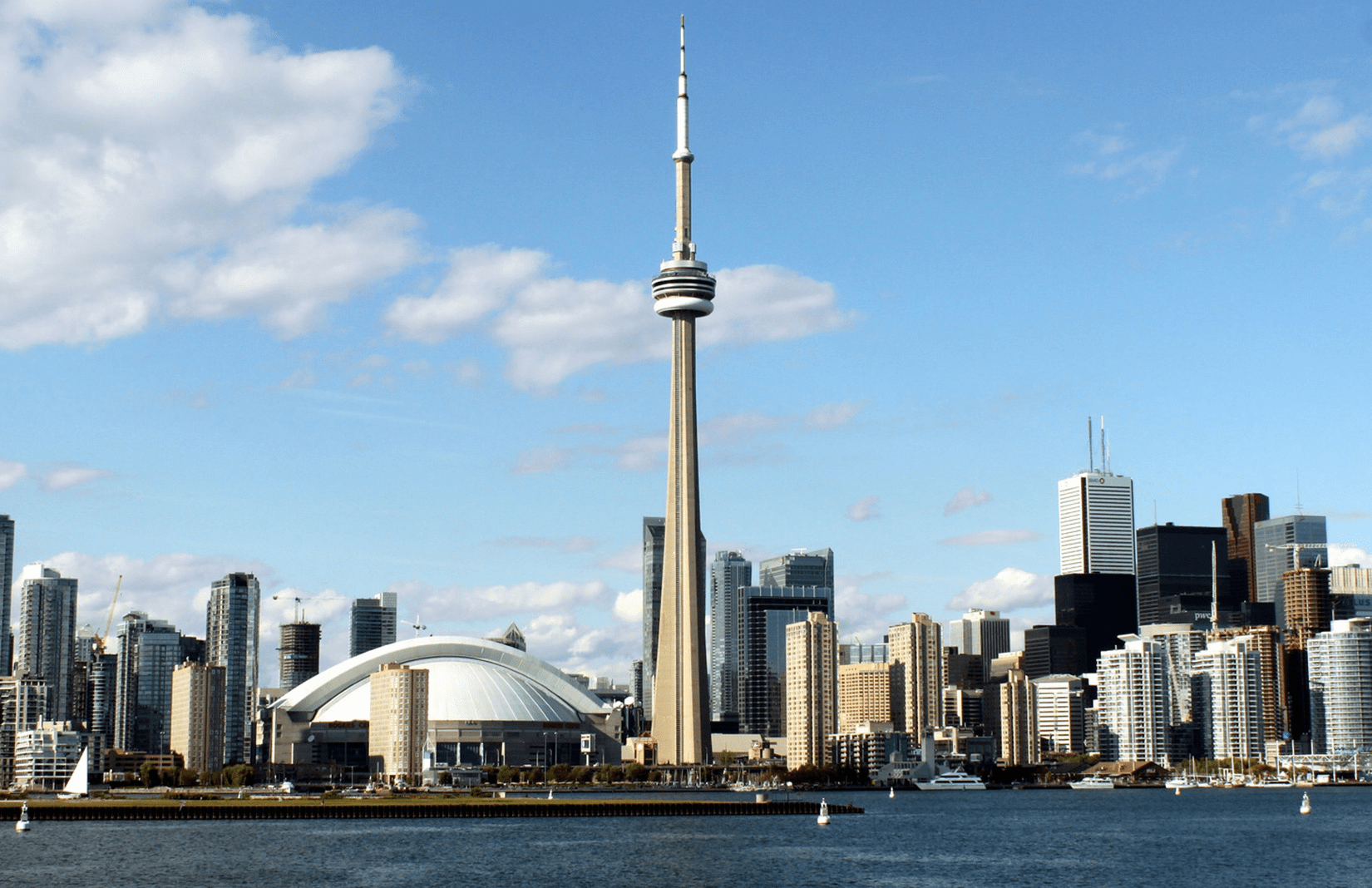

Toronto boasts a wealth of talented architects whose work has shaped the city’s identity. Here are five notable architects who have significantly influenced Toronto’s architectural landscape. Read more on itoronto.
David Roberts Sr. and Jr.
An Irish-born architect with expertise in steam technology and engines, David Roberts Sr. immigrated to Canada in 1845. In Toronto, he utilized his skills to design ambitious industrial projects, including the Great Stone Distillery and Cooperage Building, in collaboration with local millers and distillers.

Growing up in Toronto’s distillery district, David Roberts Jr. was heavily influenced by his father’s work. After studying at Bryant and Stratton Mercantile College, he trained with the architectural firm Gundry & Langley in Toronto before establishing his own practice. Following the Great Fire of Toronto, Roberts Jr. spearheaded the restoration of the Stone Distillery. He later contributed to many iconic projects, including the Pure Spirits complex and the Flatiron Building, along with significant residential designs such as the George Gooderham mansion and the George Horace Gooderham house.
Brigitte Shim
Brigitte Shim is a professor of architecture and design at the University of Toronto since 1988 and has held guest positions at prestigious institutions such as Yale, Harvard, and the University of Calgary. Alongside her partner Howard Sutcliffe, co-founder of Shim-Sutcliffe Architects, she has designed several notable Canadian buildings, including Toronto’s Ace Hotel and the still-under-construction Integral House.

Originally from Jamaica, Shim graduated from the University of Waterloo’s environmental studies and architecture programs. Together with Sutcliffe, she has earned 14 Governor General’s Medals and Awards for Architectural Design, solidifying her reputation as one of Canada’s most accomplished architects.
John B. Parkin
John B. Parkin was a key figure in the development of international modernism in Canada during the mid-20th century. In 1947, he co-founded a renowned architectural firm in Toronto alongside his brother, Edmund T. Parkin, an engineer, and John Cresswell Parkin, a young Harvard graduate. Over the next two decades, this firm became the largest and most prolific architectural practice in Canada.
John B. Parkin was born in Toronto on June 26, 1911. He attended Delta Collegiate Institute in Hamilton before pursuing a degree in architecture at the University of Toronto, graduating in 1935. As an adult, he moved to London, where he briefly worked with the National Coal Board, earning recognition as a “highly capable assistant” on the Miners’ Welfare Committee’s architectural team. He later joined H.M. Office of Works, where he designed post offices and telephone exchange buildings.
During his time in London, Parkin worked at the architectural firm Howard & Souster, where he received his first commission—a traditional brick house named “Greenways” in South Croydon. After returning to Toronto in 1939, Parkin initially used a restrained Neo-Georgian style for his early projects.
By 1940, Parkin had developed a strong interest in modernist school design, publishing two influential articles on the topic. These articles showcased his innovative proposals alongside the works of other architects. His Sunnylea School in Etobicoke (1942) became a landmark project, establishing a new postwar standard for school design in Ontario. The concept for Sunnylea was inspired by Crow Island School in Winnetka, Illinois, designed by Eliel and Eero Saarinen in 1940.
In 1947, Parkin established John B. Parkin Associates, inviting John C. Parkin to join as a design partner while retaining overall responsibility for the firm. Their early projects, including schools, public buildings, transit shelters, and stations for the Toronto Transit Commission, were celebrated for their progressive designs, attracting international attention.
The firm’s work achieved significant recognition during the inaugural Massey Medals for Architecture in 1950. John B. Parkin & Associates won an unprecedented five medals in a single year (one gold and four silver), setting a record that remains unbeaten as of 2024.
John B. Parkin’s contributions to Canadian modernism redefined the architectural landscape, particularly in educational design. His firm’s groundbreaking projects left an indelible mark on the architectural profession, establishing standards for innovation and excellence. Through his leadership, Parkin not only elevated Toronto’s global architectural reputation but also laid the foundation for the continued evolution of Canadian modernist design.
Henry Sears
Henry Sears was a Canadian modernist architect and urban planner specializing in galleries and urban development. He was a founding partner of both Klein & Sears Architects and Sears & Russell Architects Ltd. His significant work focused on the development of social housing on a neighborhood scale in Toronto. Beyond his contributions in Canada, Henry also demonstrated his talents in the United States and Europe.
Sears began his career in 1958 by opening an architectural firm with Jack Klein. The firm maintained close ties with Raymond Moriyama, with whom they shared an office that opened on the same day. The Sears family lived for a time on Woodlawn Avenue in the Summerhill area of Toronto, a neighborhood that housed many other architects and academics along the street and in the broader community.
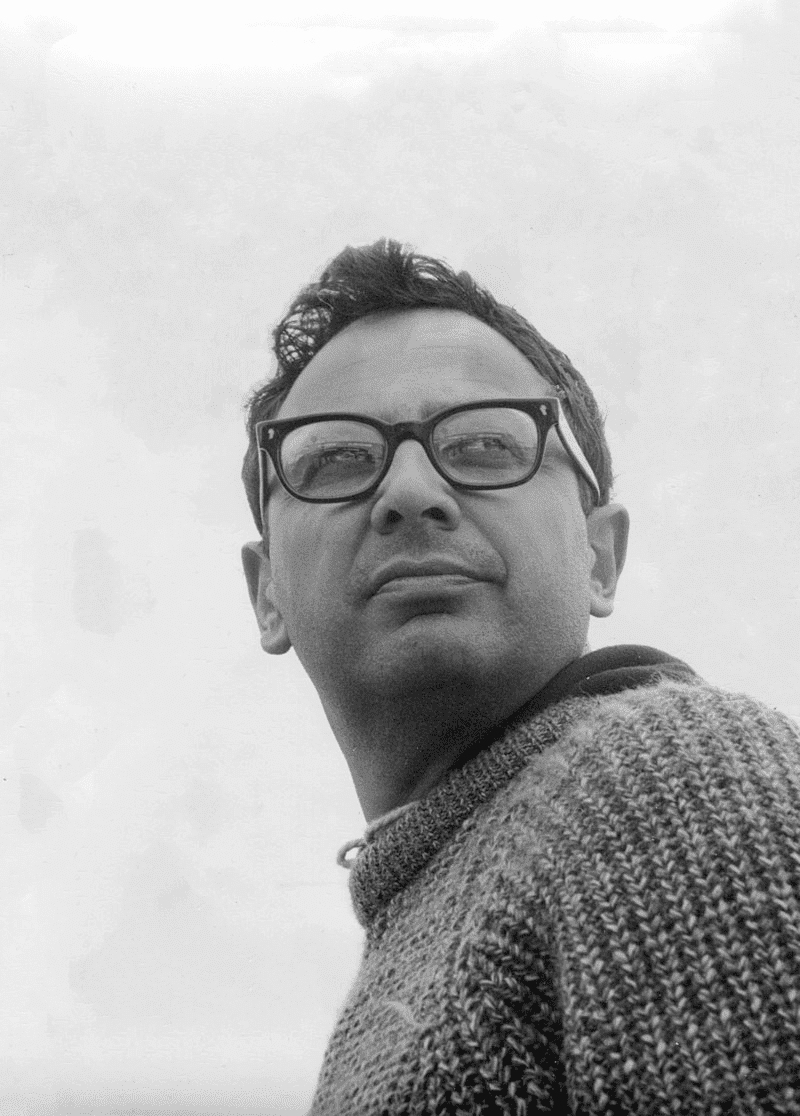
As part of Sears & Russell Architects Ltd. since 1987, Henry Sears focused on the design and planning of cultural institutions. The firm assembled a team of specialists to adapt to the many fields in which the partners worked. Sears & Russell’s geographical reach also began to evolve, attracting new clients in the United States and Europe. This created a balance between national and international projects, strengthening Sears’s value abroad.
Throughout his career, Henry Sears developed a distinct architectural style. His primary material was brick, influenced by the uniformity of European communities that utilize it. This approach applied a modern perspective to traditional techniques and styles. Many of his designs incorporated shared spaces such as pathways or courtyards, which James Murray of Canadian Architect described as “exemplary design solutions,” alongside placing vehicles outside major project thoroughfares or underground. This emphasis on interaction and community engagement was part of a movement based on the theory of defensible space. Using this approach, Sears designed Alexandra Park, which in the 1990s became the first self-managed public housing initiative in Canadian history.
David Pontarini
David Pontarini is the founding partner of Hariri Pontarini Architects, known for creating elegant urban buildings and inspiring public spaces. Over the past 30 years, he has developed a diverse portfolio of high-rise buildings and urban projects across Canada and the United States.
Pontarini’s work has earned him numerous accolades, including a 2013 award from the Royal Architectural Institute of Canada. His philosophy emphasizes collaboration and design-focused solutions, which have positioned him as a leader in shaping modern urban environments.
These architects exemplify Toronto’s dedication to architectural excellence, contributing to the city’s rich and dynamic landscape.