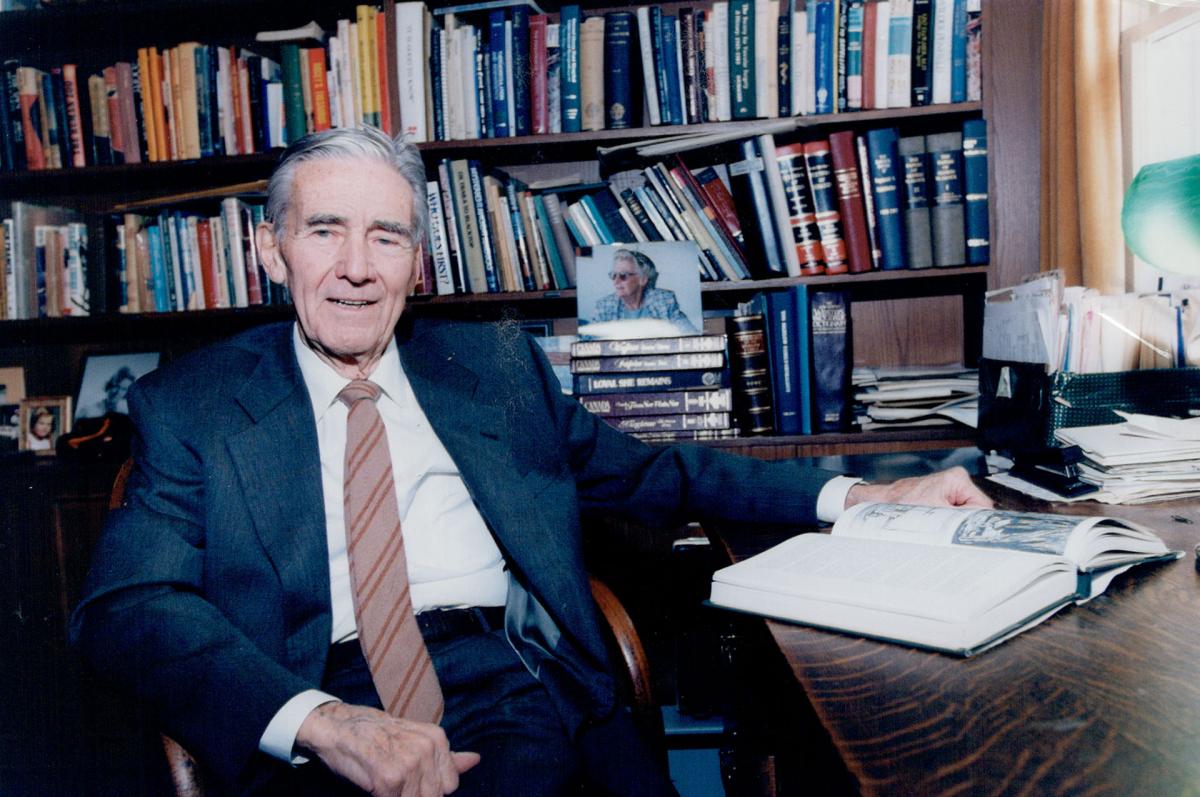

Wilfred Bigelow was a renowned surgeon in Toronto and beyond, celebrated for his groundbreaking contributions to heart surgery, including the development of the portable pacemaker. Learn more about his remarkable career and innovations on itoronto.info.
Education and Early Career
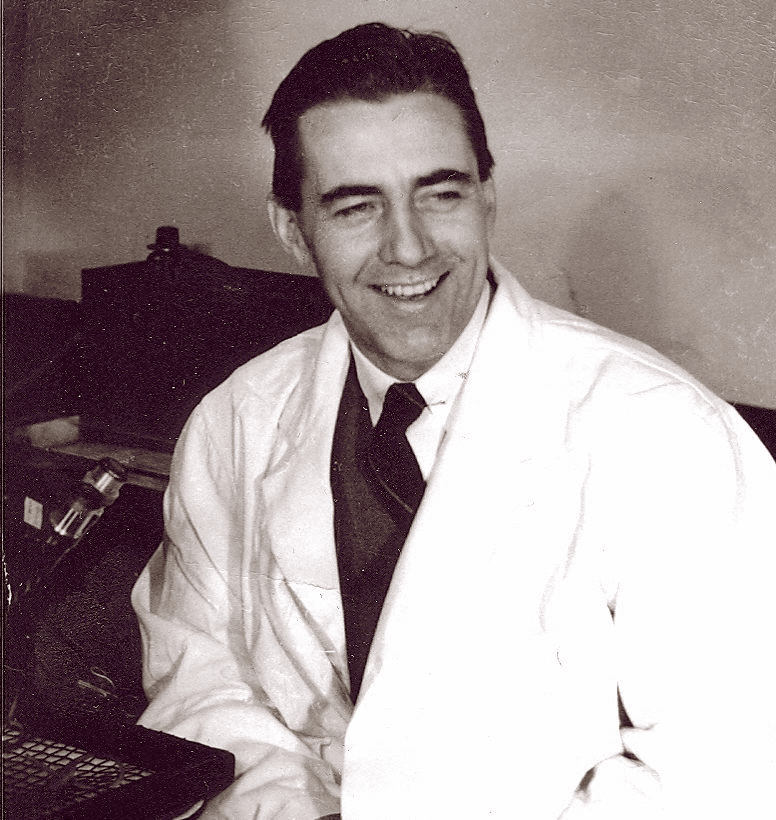
Wilfred Bigelow was born on June 18, 1913, in Brandon, Manitoba, into a family dedicated to medicine. His father founded Canada’s first private medical clinic, while his mother was a nurse and midwife. Bigelow earned his Doctor of Medicine degree from the University of Toronto Faculty of Medicine in 1938.
From 1938 to 1941, Bigelow served as a captain in the Royal Canadian Army Medical Corps, working as a field surgeon during World War II. After the war, he joined Johns Hopkins University School of Medicine for further training and later the Department of Surgery at the University of Toronto. In 1948, Bigelow was appointed a surgeon at Toronto General Hospital (TGH).
Simultaneously, Bigelow began pioneering research into hypothermia, exploring its potential to slow blood circulation during surgeries. Collaborating with his colleague Callaghan, he initiated studies on hypothermia at the University of Toronto. Their findings were presented at the American Surgical Association in 1950, revolutionizing surgical practices.
A Groundbreaking Invention
Bigelow’s research into hypothermia laid the groundwork for a pivotal breakthrough in cardiothoracic surgery: the development of the portable artificial pacemaker. In 1949, during an experimental procedure on a dog, Bigelow discovered that a stopped heart could contract again when stimulated with an electrical probe.
He and Callaghan enlisted the help of Dr. John Hopps of the National Research Council of Canada to create a device capable of electrically stimulating the heart.
In 1950, the device was successfully tested on a dog, and the results were presented to the American College of Surgeons the same year. This innovation became the foundation for the development of modern implantable pacemakers.
Major Contributions and Achievements
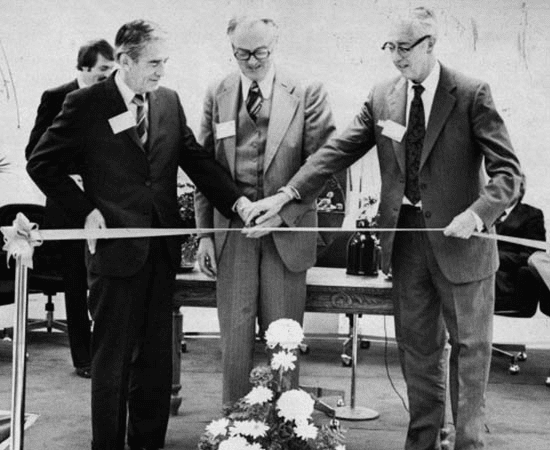
Between 1950 and 1965, Bigelow conducted a series of experiments in collaboration with the cardiovascular laboratory at the Banting Research Institute to establish safe methods for reversing human hypothermia. His work enabled the first open-heart surgeries on humans.
In 1958, Bigelow oversaw the creation of the Cardiovascular Surgery Division at TGH and helped launch Canada’s first cardiovascular surgery training program. By 1977, the program had trained 70 surgeons.
As an academic surgeon, Bigelow published extensively in medical and scientific journals and authored two influential books: Cold Hearts and Mysterious Heparin.
Bigelow led numerous medical organizations, serving as president of the Canadian Federation of Cardiovascular and Thoracic Surgeons and director of the Society for Vascular Surgery. He was also an active member of various national and international associations and a Fellow of the Royal College of Physicians and Surgeons of Canada.
Beyond his medical pursuits, Bigelow had a deep love for nature. He actively participated in environmental conservation efforts and served as chairman of the Canadian Nature Federation. In his leisure time, he enjoyed fishing and outdoor activities.
Wilfred Bigelow passed away on March 27, 2005, due to heart failure. His achievements earned him numerous accolades, including induction into the Canadian Medical Hall of Fame in 1997. Bigelow’s legacy endures through his pioneering work in heart surgery and his dedication to advancing medical science.