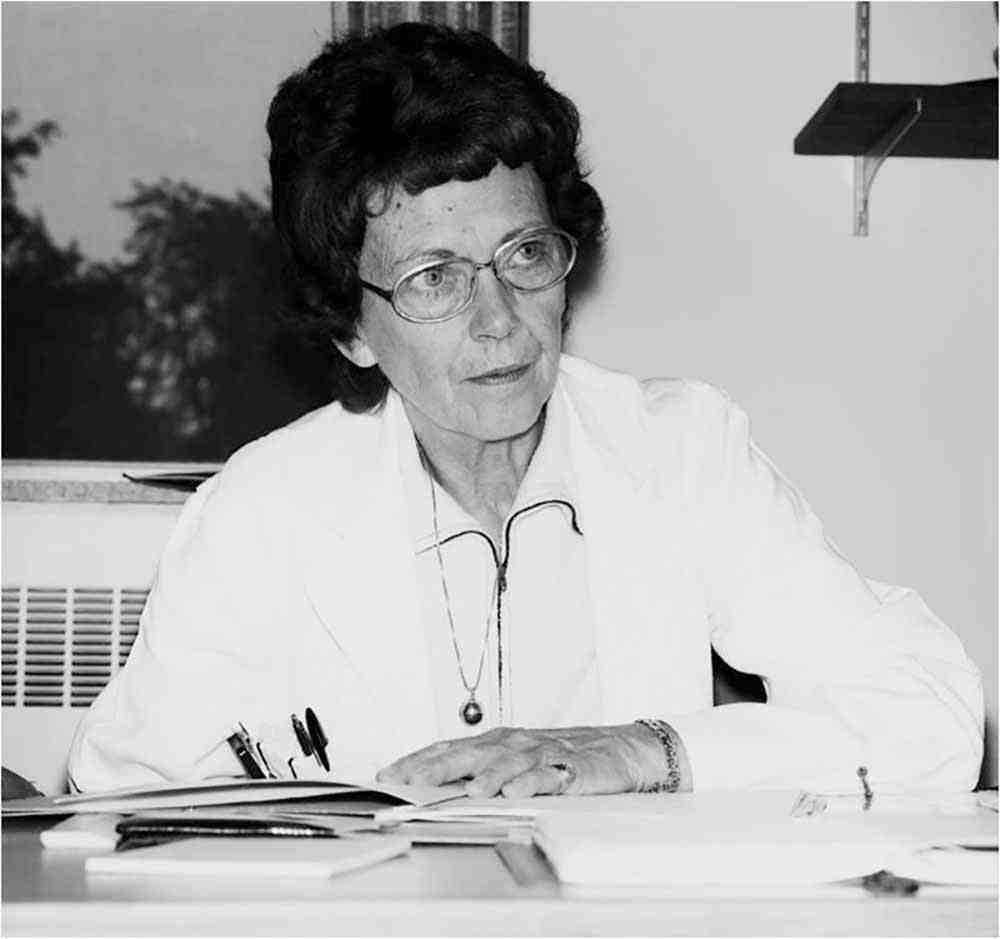

Vera Peters was a physician, radiation oncologist, surgeon, and researcher whose groundbreaking studies on Hodgkin’s disease, now known as Hodgkin’s lymphoma, and breast cancer revolutionized treatment protocols. Her contributions extended beyond Canadian medicine to influence global healthcare. Read more about her inspiring life and achievements on itoronto.info.
Childhood and Education
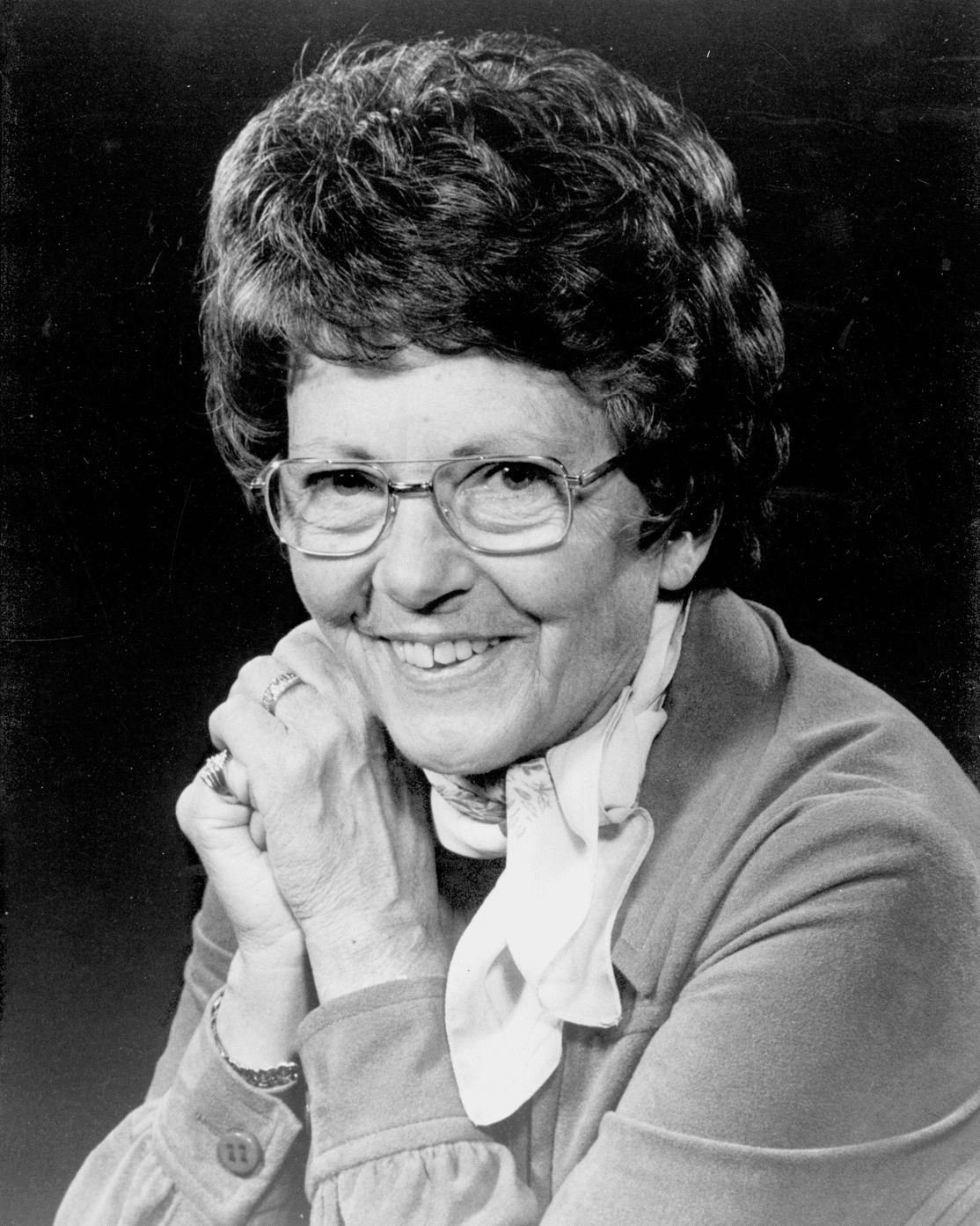
Vera Peters was born on April 28, 1911, in Thistletown, Ontario. Her mother was a teacher, and her father was a farmer. The Peters family valued education highly and supported their children financially during their studies. When Vera was 11, her father passed away, leaving her mother with the immense responsibility of raising six children.
Vera graduated from high school in Thistletown with honours and entered the University of Toronto at 17, where she initially focused on physics and mathematics. Her siblings supported her financially through her studies. After a year, Vera transferred to the university’s medical school.
While at medical school, Peters met Dr. Gordon Richards, the head of radiology at Toronto General Hospital, who became her mentor.
In 1933, Peters’ mother passed away from metastatic breast cancer. This profound loss greatly influenced Vera and motivated her to pursue a career in radiation oncology.
Peters graduated from the University of Toronto Faculty of Medicine in 1934. Among the 115 graduates, only 10 were women, reflecting the gender challenges women in medicine faced during that time.
Early Career
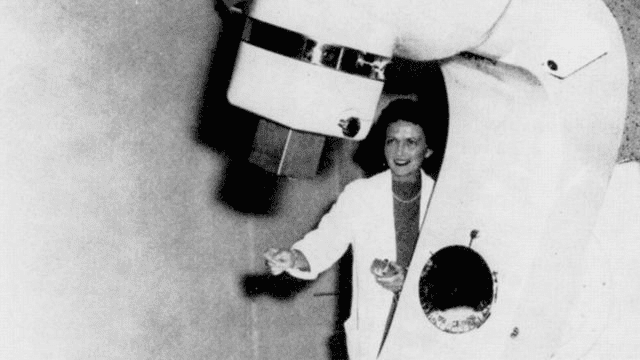
After earning her medical degree, Peters completed her surgical residency at St. John’s Hospital in Toronto, where she specialized in oncology. In 1935, she began working as an assistant to Dr. Gordon Richards at the Ontario Institute of Radiotherapy at Toronto General Hospital.
In 1937, Peters became a junior assistant radiotherapist at Toronto General Hospital. Despite the lack of formal training in the emerging field of radiation oncology, she worked closely with Richards to develop her skills in radiotherapy, eventually treating numerous cancer patients, including those with Hodgkin’s disease.
Pioneering Research
In the 1940s, Hodgkin’s disease was considered an incurable and fatal form of cancer. After a decade of working at Toronto General Hospital, Peters began reviewing patient records in 1947 to evaluate treatment methods.
By 1950, Peters had published the results of her research, introducing a three-stage classification system to assess the severity of Hodgkin’s disease. This system became a cornerstone for treatment planning.
Her studies revealed that high-dose radiation therapy to affected lymph nodes significantly improved survival rates in patients with early-stage Hodgkin’s disease.
In 1956, her subsequent research garnered widespread attention within the medical community. Peters demonstrated that high-dose radiation was also effective in treating early-stage breast cancer.
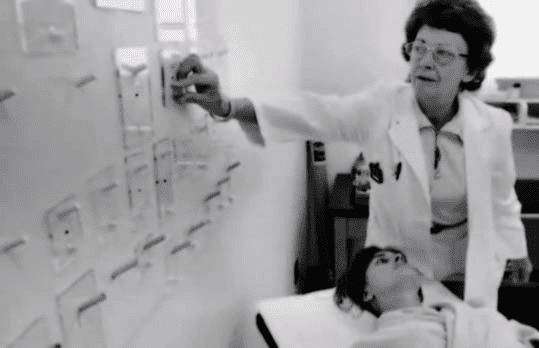
In 1958, Vera Peters began working at Princess Margaret Hospital in Toronto, where all patients from the Ontario Institute of Radiotherapy were transferred.
In 1967, Peters conducted a groundbreaking study on breast cancer. Her research demonstrated that less invasive treatments combined with mastectomy were equally effective, revolutionizing breast cancer treatment and improving patient outcomes.
For her monumental contributions, Vera Peters was posthumously inducted into the Canadian Medical Hall of Fame in 2010 and the Canadian Science and Engineering Hall of Fame in 2013.
Vera Peters passed away on October 1, 1993, leaving behind a legacy of transformative research and innovations that continue to guide and benefit medical professionals today.