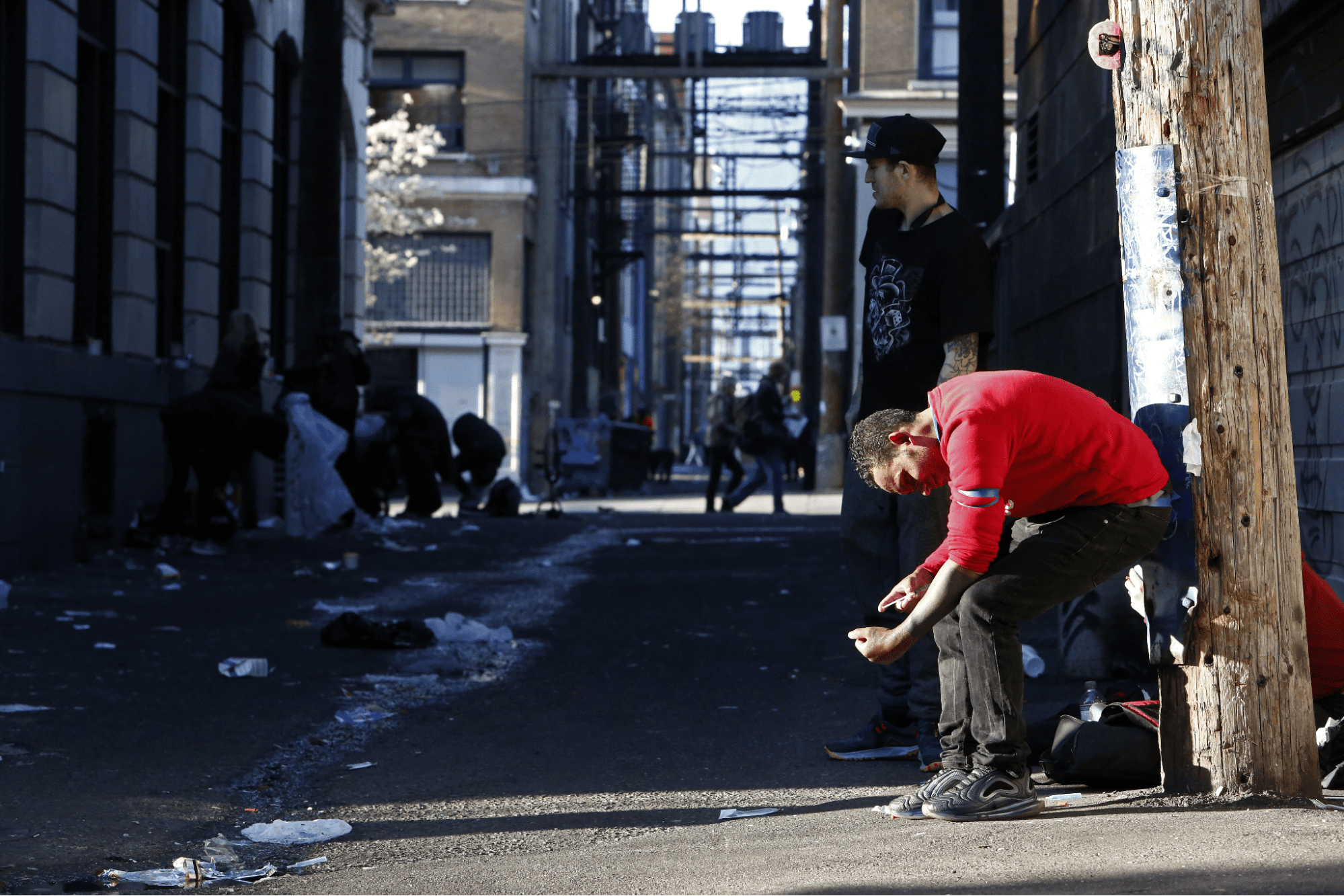

Toronto is witnessing an alarming and escalating trend of fatal drug overdoses, with paramedics increasingly responding to higher-than-usual numbers of overdose-related deaths. More about the city’s efforts to address this issue on itoronto.
The Toronto PDF initiative focuses on mental health challenges associated with substance use, harm reduction, and addiction management. It provides a comprehensive treatment strategy designed to enhance the mental and physical well-being of individuals struggling with substance dependencies, particularly those linked to narcotics. This strategy reflects the city’s commitment to the safety, happiness, and overall well-being of Toronto’s residents.
Mental Health and Substance Use in Toronto (2020-2024)
Prolonged drug use often leads to addiction and increased tolerance, compelling individuals to consume larger quantities to achieve the same effects. Dependence, whether psychological or physical, can become so overwhelming that other aspects of life lose significance. It is crucial to note that no level of drug use is entirely safe—a fact widely recognized by Toronto’s residents.
Many city residents face mental health challenges. Data from 2020–2024 reveals concerning trends regarding the various impacts of drug use, including anxiety, depression, exhaustion, loneliness, and even addiction.
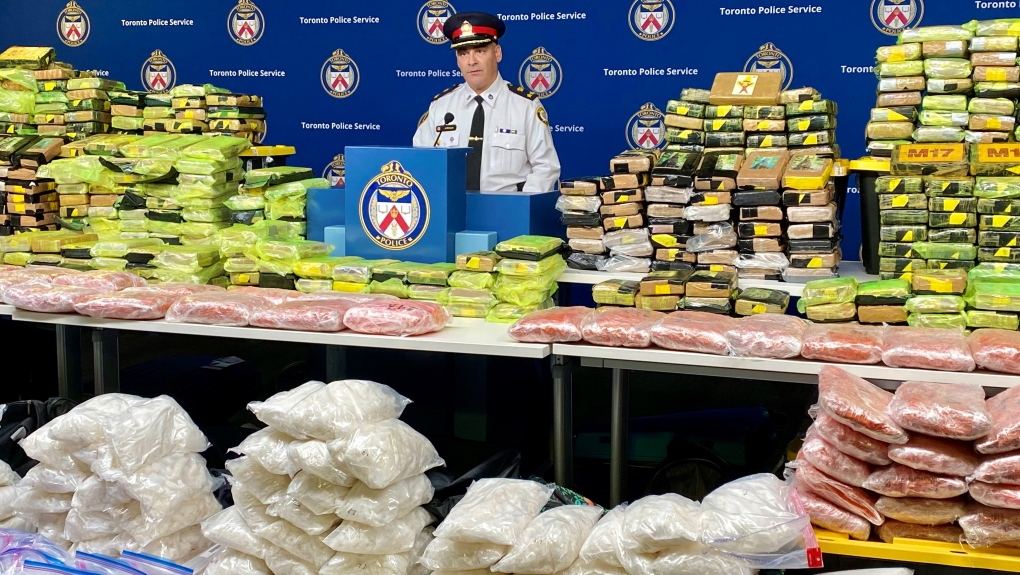
The use of psychoactive substances spans a wide range, with many Toronto residents consuming drugs such as alcohol, marijuana, nicotine/tobacco, as well as other unregulated or illegal substances. While most substance use does not lead to immediate problems, it still poses risks to health and society. Drug users in Toronto have long advocated for access to drug-checking services to reduce the harm associated with substances sourced from unregulated supplies. In October 2019, a drug-checking service was launched to provide residents with timely and detailed information about the contents of their drugs, along with counseling on usage. Additionally, this service helps identify the structure of Toronto’s unregulated drug supply, which includes both legal and illegal drugs diverted from regulated markets for sale through illicit channels.
How to Access Drug Checking Services in Toronto
The Toronto Drug Checking Service is free, anonymous, and accessible to all. Accepted samples include small amounts of drugs (10 mg of powder, crystals, crushed tablets, or a small piece of blotter paper), used drug paraphernalia (used filters, pipes, or liquid residue from syringes), and more. However, the service does not accept organic samples, such as cannabis, mushrooms, or substances related to THC, CBD, hormones, steroids, or performance enhancers.
Samples are collected at seven harm reduction agencies in Toronto offering supervised consumption services, known as collection sites:
- Parkdale Queen West Community Health Centre (Parkdale Site) – Dufferin and Queen
- Parkdale Queen West Community Health Centre (Queen West Site) – Bathurst and Queen
- Regent Park Community Health Centre – Parliament and Dundas
- South Riverdale Community Health Centre (KeepSix Site) – Carlaw and Queen
- South Riverdale Community Health Centre (Moss Park Site) – Sherbourne and Queen
Results are both qualitative and quantitative (i.e., what substances are in each sample and how much of each compound is present) and are available within one to two business days. Otherwise, results are provided by user services by phone or email, along with specific harm reduction support, guidance, and referrals to drug-related, health, and social services (e.g., supervised consumption, naloxone training, primary care). Staff are not permitted to personally communicate the results of the worker safety screening.
How the Toronto Drug Checking Service Works
Samples are transported from harm reduction agencies, where they are collected, to nearby laboratories at the Centre for Addiction and Mental Health or St. Michael’s Hospital. The Toronto Drug Checking Service uses mass spectrometry technologies, including gas and liquid chromatography, to analyze the samples.
The service operates in collaboration with several harm reduction agencies and collection sites, including: Casey House, Parkdale Queen West Community Health Centre (Parkdale and Queen West sites), Regent Park Community Health Centre, Seaton House, South Riverdale Community Health Centre (KeepSix and Moss Park sites), Street Health, The Neighbourhood Group (Kensington Market Overdose Prevention site), The Works at Toronto Public Health.
The Toronto Drug Checking Service works closely with service users and other city residents who consume drugs to ensure the program meets the needs of the community it serves. By fostering this collaboration, the service aims to improve safety and reduce harm for those engaging with Toronto’s drug-checking program.