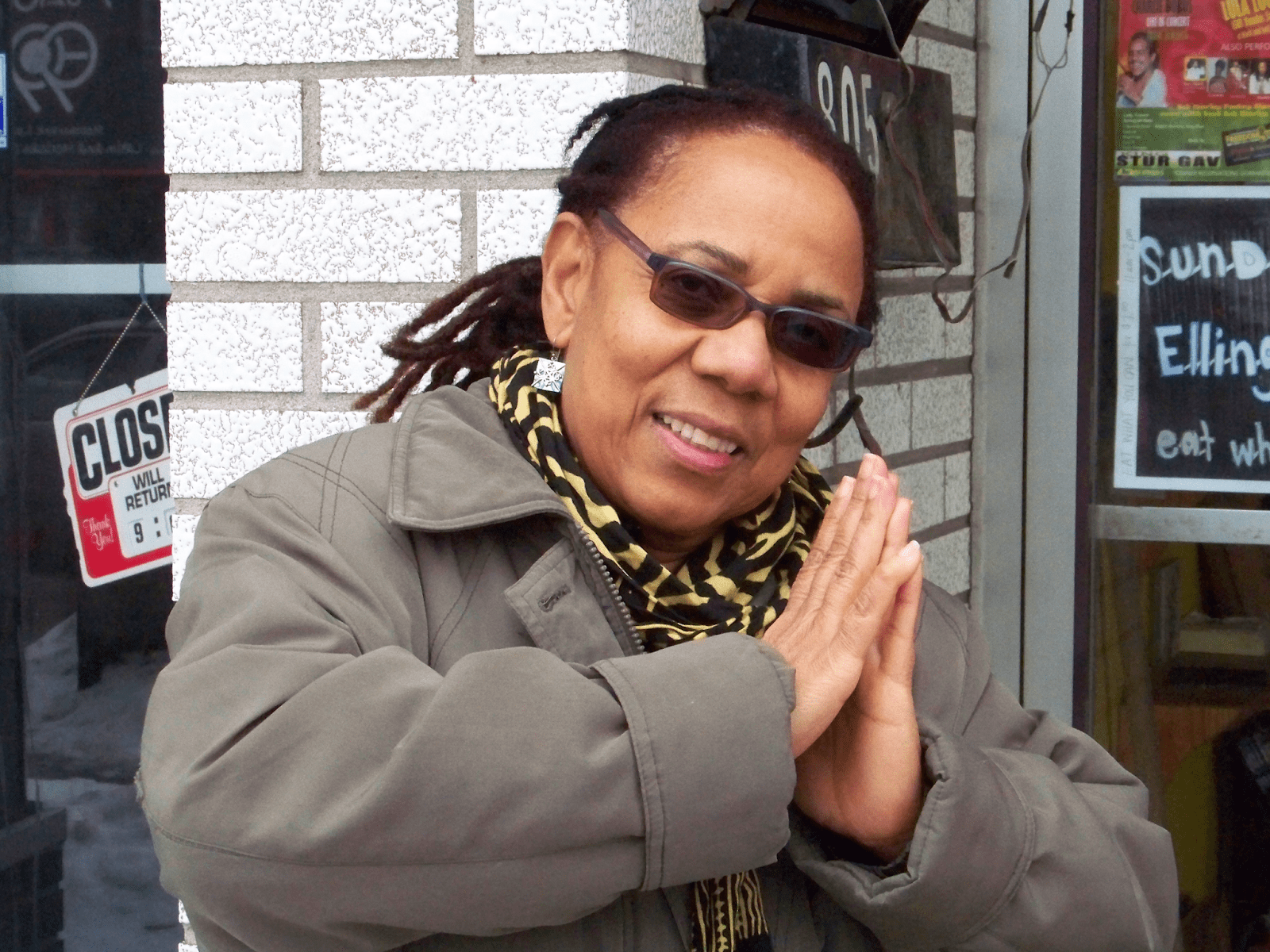

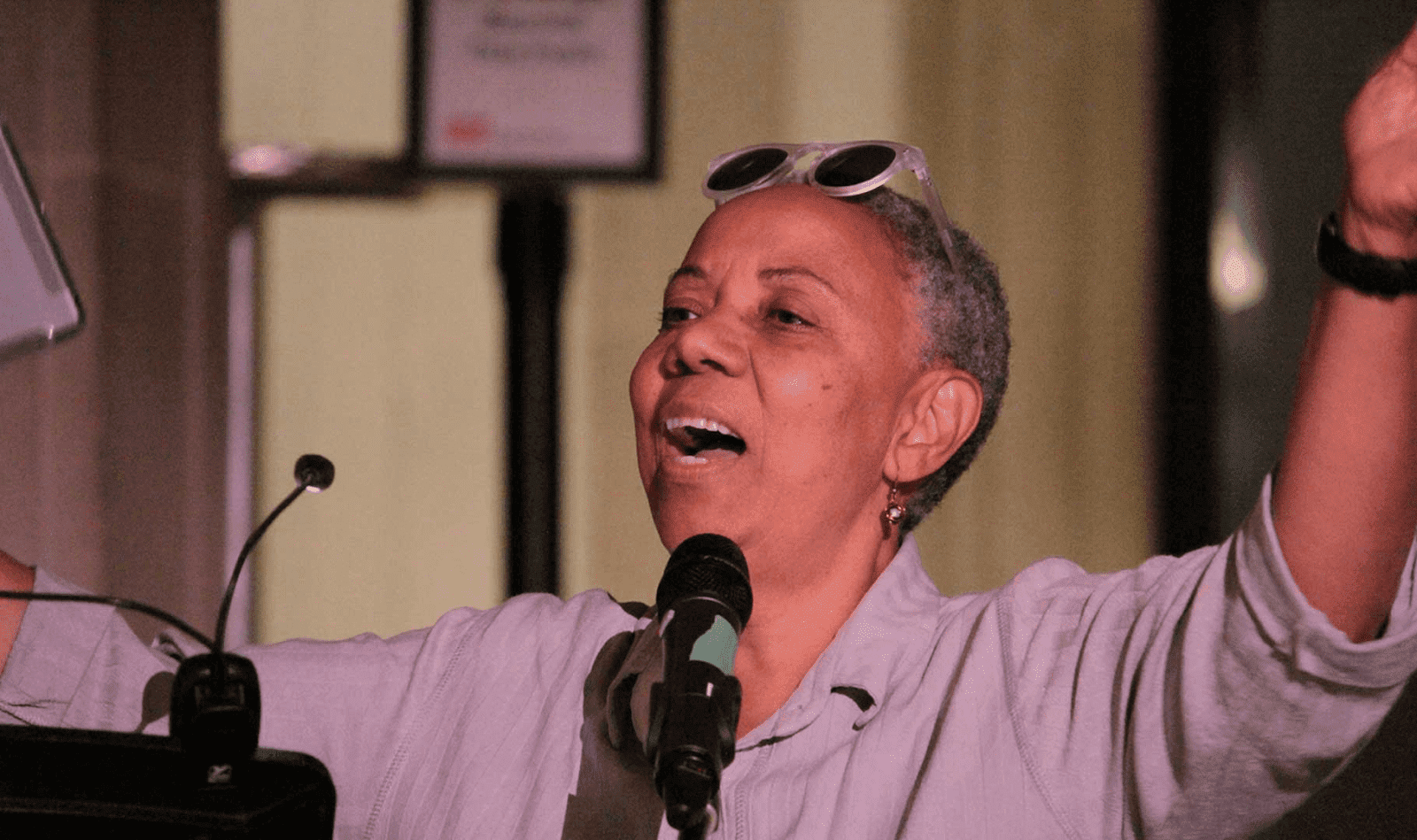
Lillian Allen is celebrated as Canada’s foremost dub poet, known for her compelling social and political themes delivered in rhythmic, vocal styles accompanied by reggae beats. She has performed at literary, musical, and feminist festivals and events across Canada, the United States, the Caribbean, England, and Europe. Toronto takes great pride in her achievements. Read more on itoronto.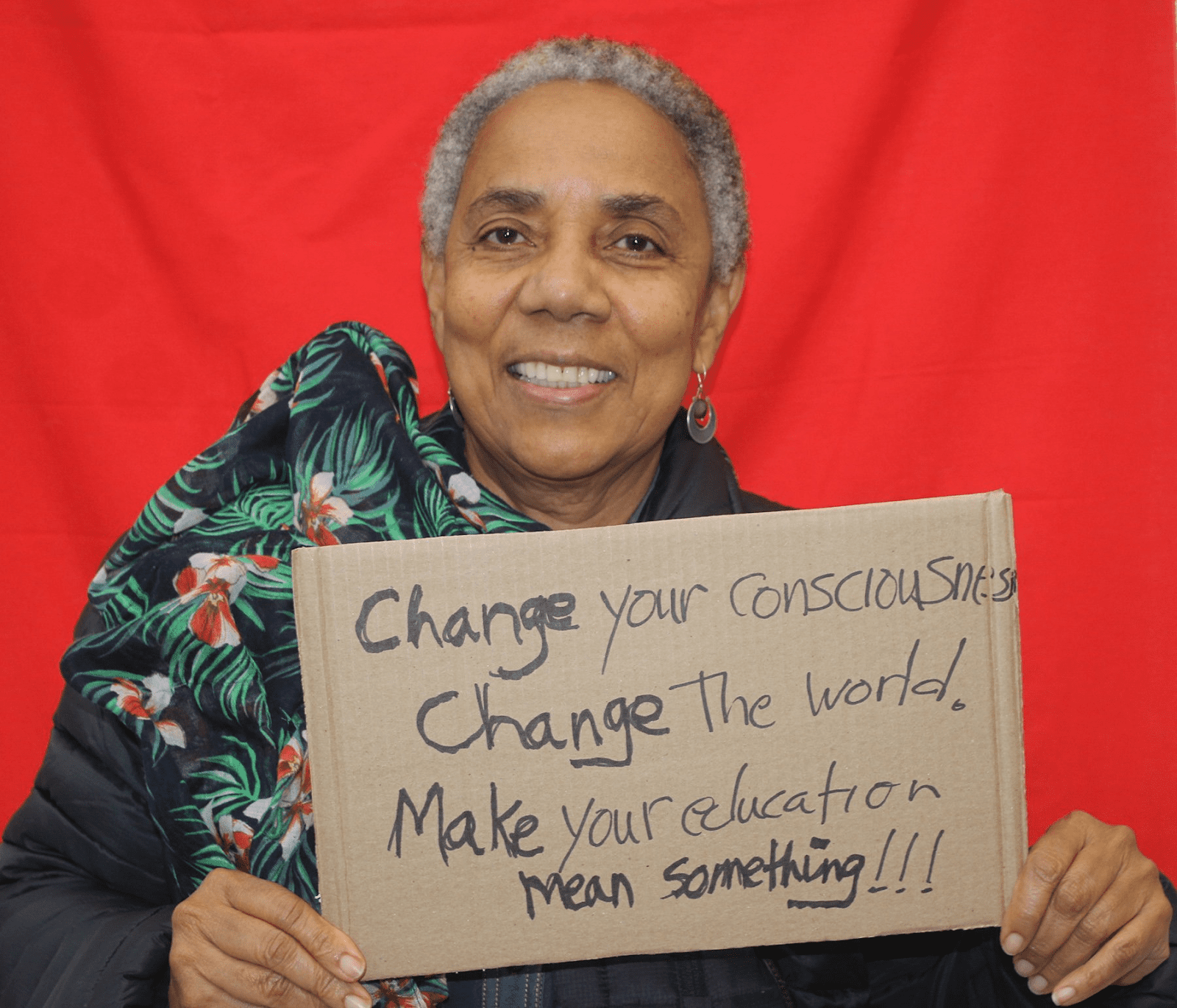
Allen: More Than Just a Poet
Lillian Allen is recognized as a key innovator and leading figure in dub poetry—a politically charged art form, often set to music, regarded as the literary godmother of rap, hip-hop, and spoken word poetry. For over four decades, Allen has made an indelible mark on the global cultural landscape. She is credited with expanding dub poetry to advocate feminism, and her albums Revolutionary Tea Party and Conditions Critical won Juno Awards in 1986 and 1988.
Allen’s multidisciplinary and experimental approach spans numerous fields. In addition to being a globally acclaimed poet, she is a writer of short stories and plays, co-creator and co-producer of WORDBEAT, a CBC national radio show on poetry and spoken word. She has appeared in films such as Revolution from de Beat (1995), Unnatural Causes (1989), and Rhythm and Hardtimes (1998). She also co-directed Blak … Wi Blakk (1994), a documentary about Jamaican dub poet Mutabaruka, which premiered at the Toronto International Film Festival.
Allen’s Family, Education, and Move to Toronto
Lillian Allen was born the fifth child in a large family and grew up in Spanish Town, a historic city west of Kingston, Jamaica. Her father was a civil servant and community church leader, while her mother played an active role in her children’s education. In 1969, Allen left Spanish Town to attend the University of Waterloo in Kitchener. That same year, she moved to New York City, where she worked at Caribbean Daily. It was in this publication that her poem I Fight Back, a seminal dub poem, first gained recognition. While at City College of New York, she studied communications and later creative writing, becoming deeply involved in the dub poetry scene.
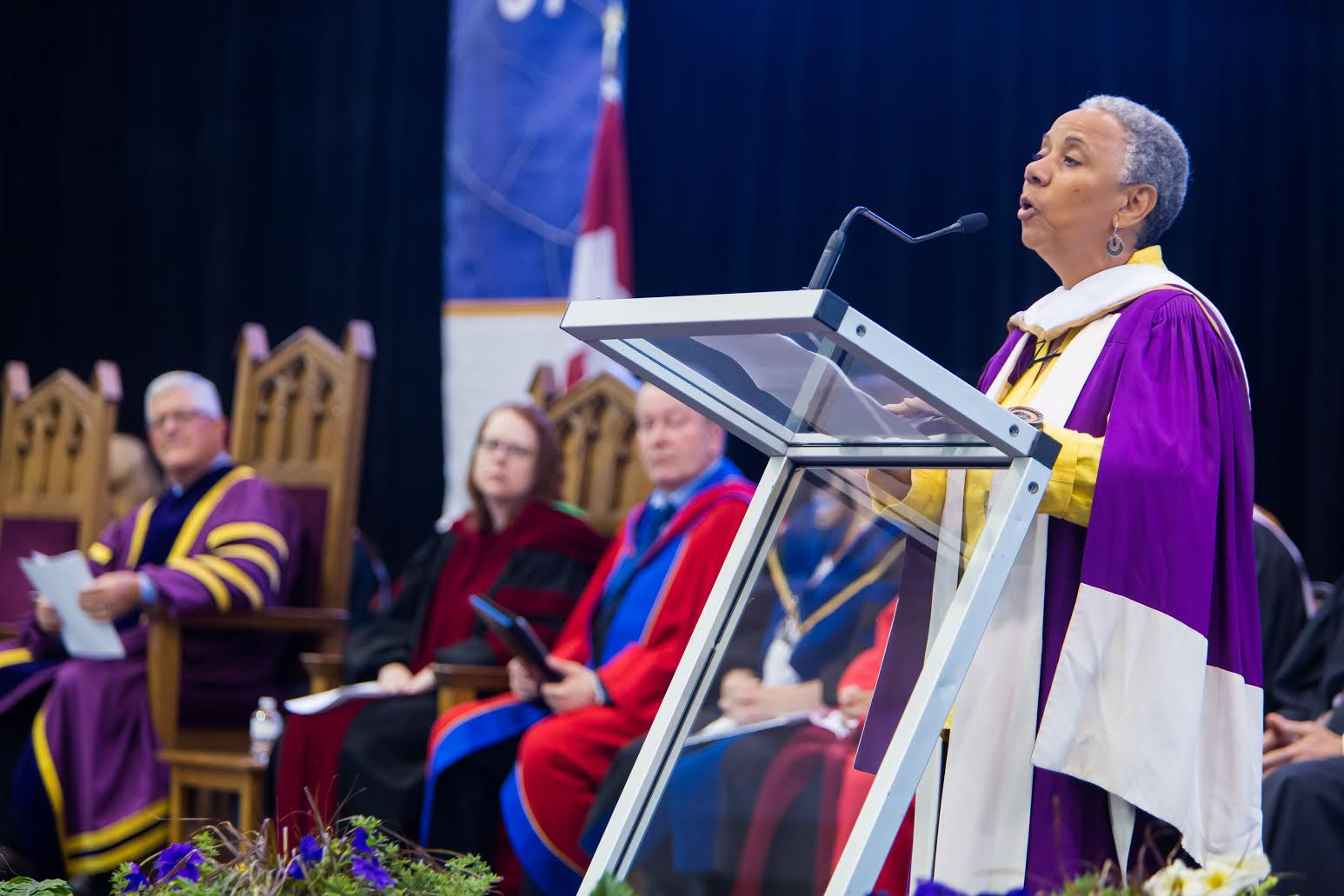
In 1973, Allen returned to Jamaica before eventually settling in Toronto, where she joined York University’s newly established English and Creative Writing program. As one of its first graduates, Allen earned her bachelor’s degree. In Toronto, she also worked as a community legal worker in Regent Park, an area with a significant Afro-Caribbean immigrant population. She contributed to youth projects like Immi-Can and collaborated on lyrics and research for the reggae band Truths and Rights.
Career Milestones and Collaborations
In 1982, Lillian Allen published her first poetry collection, Rhythm an’ Hardtimes. This was followed by Dub Poet: The Poetry of Lillian Allen (1983) and De Dub Poets (1984), the latter in collaboration with Toronto poets Clifton Joseph and Devon Haughton. She contributed text for Riddim, a composition by Christie Allie, which premiered at Toronto’s Winchester Street Theatre in 1984. Collaborating with musicians such as percussionist Billy Bryans, guitarist Dave Gray of Parachute Club, and bassist Terry Lewis, she produced Revolutionary Tea Party (1986) and Conditions Critical (1988). These albums featured well-known tracks like I Fight Back, Riddim an’ Hardtimes, and Birth Poem. Both albums, released through Allen’s own label, won Juno Awards for Best Reggae/Calypso Album in 1986 and 1989.
Throughout the 1980s and 1990s, Allen continued to write and publish poetry, short prose, and plays. In 1993, Women Do This Every Day, a collection of her dub poetry, was published by Women’s Press. Her work inspired Unnatural Causes (1989), a National Film Board short film depicting political luxury and social inequality juxtaposed with images of homelessness and Canadian protest movements.
In 1993, she co-produced and directed the documentary Blak Wi Blakk, highlighting the life and art of Mutabaruka. In 1999, she released her third album, Freedom and Dance, and became a driving force behind the Dub Poets Collective in 2003. Alongside Afua Cooper, Clydes Brooks, Chet Singh, Clifton Joseph, and Sankofa Juba, she contributed significantly to the organization. Additionally, Allen hosted Wordbeat, a CBC Radio program dedicated to poetry and spoken word.
Allen has served as a diversity and cultural consultant for numerous government and community organizations. She played a central role in initiatives such as Fresh Arts and the International Spoken Word Program at the Banff Centre. Her enduring influence continues to inspire generations of artists and poets in Toronto and beyond.