
Canada is the birthplace of many inventions that have significantly changed the course of human life, writes itoronto.info. From technical advancements to environmental solutions, Canadian ingenuity has contributed greatly to science and society. However, not all inventions are strictly serious in nature. Some, like beverages that have become beloved and globally popular, started as experiments that eventually turned into culinary triumphs. Creating such products often involves numerous trials and extensive research to ensure they are not only delicious but also safe for human consumption.
One such invention is Canada Dry, a well-known brand of non-alcoholic beverages founded in 1904. Among its wide assortment, the most cherished product is ginger ale. This beverage, now a worldwide favourite, was developed by John McLaughlin, one of Canada’s top chemists. Before achieving the modern version of ginger ale that is enjoyed today, McLaughlin spent years perfecting his recipe. His earlier creation, a precursor to the iconic drink, also gained popularity and set the stage for his ultimate success.
This article provides a detailed exploration of the beverage’s story, referencing thoughtco.com.
In 1907, John McLaughlin introduced the modern version of Canada Dry Pale Ginger Ale. This remarkable beverage, known for its unique taste and refreshing qualities, quickly garnered fans worldwide. Achieving this milestone required McLaughlin’s exceptional talent, countless experiments, and meticulous attention to the manufacturing process. His innovative methods led to a highly successful outcome, transforming his invention into a global phenomenon.
The Rise of Carbonated Water
McLaughlin graduated from the University of Toronto in 1885 with a degree in pharmacy. By 1890, he had developed his own formula for producing carbonated water, which became popular among local pharmacies. These establishments mixed McLaughlin’s carbonated water with fruit juices and flavourings to create delicious soda drinks, which were highly sought after by their customers.
The Precursor to Modern Ginger Ale
While perfecting his craft, McLaughlin began experimenting with his own beverage recipes. His efforts culminated in the creation of McLaughlin Belfast Style Ginger Ale in 1890.
He also developed a method for bottling the beverage on a large scale, enabling it to reach a wider audience. Each bottle featured a label with a map of Canada and an image of a beaver, the country’s national symbol. These touches made the product distinctly Canadian and helped solidify its success in the market.
A New Version of Ginger Ale
In 1907, McLaughlin improved the ginger ale recipe, creating a lighter-coloured drink with a sharper, more refined flavour. This new version, dubbed Canada Dry Pale Ginger Ale, was patented and quickly gained popularity.
A Refreshing Alternative to Alcohol
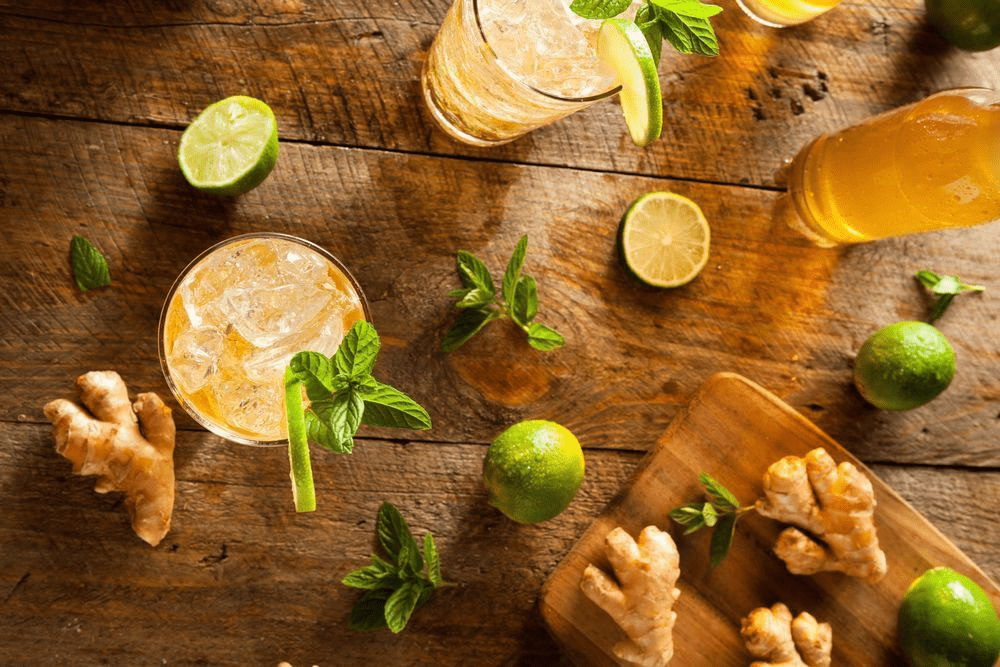
The updated ginger ale became a hit in Toronto and across Canada. Its light and spicy flavour offered an excellent alternative to traditional sodas. During Prohibition, the beverage became even more popular as its spicy notes paired well with the illegal alcohol available at the time.
Photo: iStock, domos