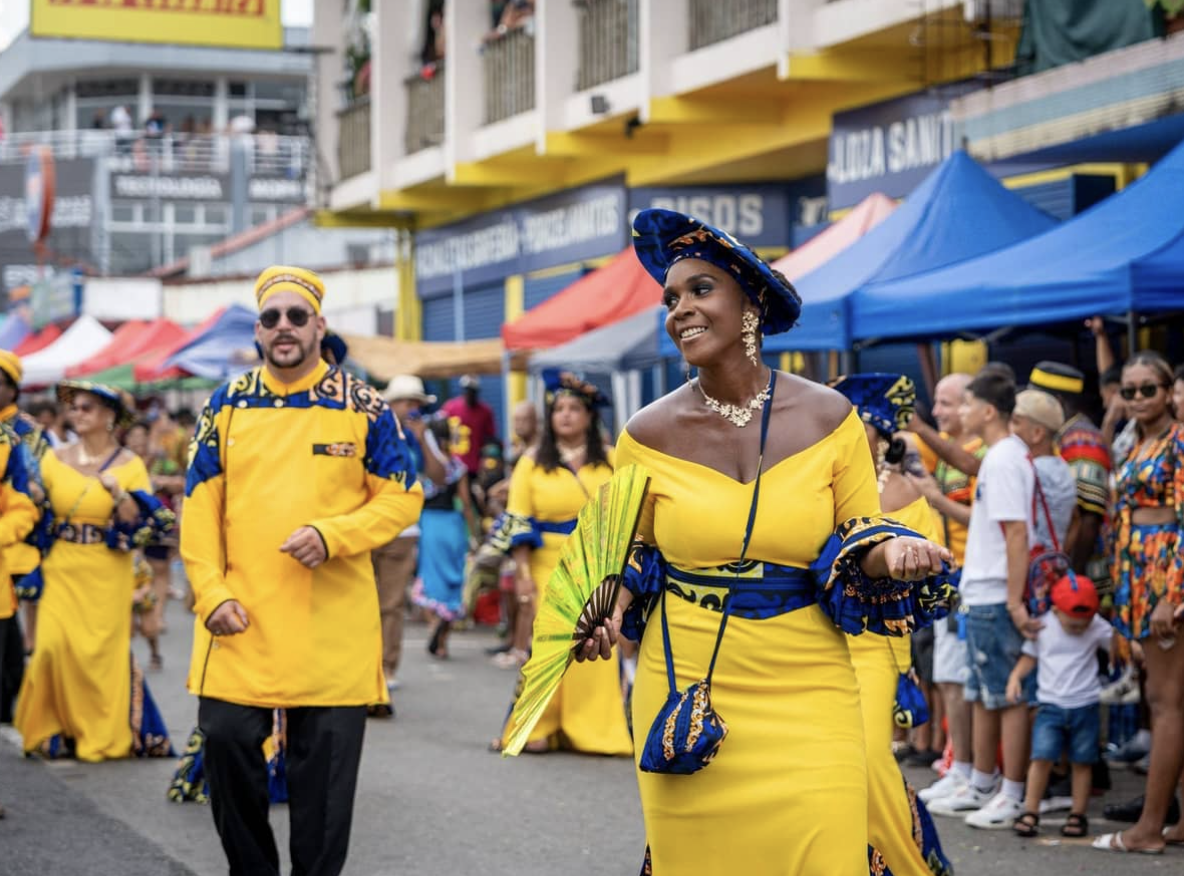

Toronto’s Caribbean diaspora is an essential pillar of the city’s cultural identity, leaving an indelible mark on its music, culinary scene, language, and urban landscape for decades. From early waves of migration to the rise of thriving cultural hubs, the Caribbean community has forged an environment that is now inseparable from the fabric of modern Toronto. In this article on itoronto.info, we explore the history of Toronto’s Caribbean diaspora, the rise of the Little Jamaica neighborhood, the legendary Caribana festival, and the community’s ongoing fight to preserve its heritage. You will also discover how Caribbean cuisine reshaped the city’s food scene, what sparked the infamous “Patty Wars,” and how immigration helped define contemporary Canadian identity.
A History of Migration: How Toronto’s Caribbean Community Took Shape
The history of Toronto’s Caribbean community began long before the massive mid-century migration wave typically associated with the city’s Caribbean identity. As early as the late 19th century, Black and Caribbean immigrants settled in the Annex neighborhood. One of their main hubs was a street known at the time as Blackhurst Street. Over time, local businesses, friendships, and community ties flourished here, laying the groundwork for a broader diaspora.
Caribbean migration to Canada accelerated significantly during the 1950s and 1960s. A pivotal turning point was the Canadian government’s West Indian Domestic Scheme, launched to recruit women from the Caribbean as domestic workers. For many of them, the initiative provided steady employment in Canada and a rare opportunity to build a new life overseas.
A similar path had already been traveled by Caribbean migrants in the United Kingdom, where post-WWII government initiatives welcomed West Indian workers to help rebuild the postwar economy.
New arrivals came to Canada from Jamaica, Guyana, Haiti, Trinidad and Tobago, and other Caribbean islands. Most chose Toronto, drawn by greater job opportunities and a promising environment to establish roots.
While many initially arrived as temporary workers, their stay soon turned into permanent settlement. Migrants brought over their families, launched businesses, and established cultural and grassroots organizations. Gradually, Toronto emerged as one of the premier hubs of the Caribbean diaspora outside the Caribbean itself.
Little Jamaica on Eglinton West: The Heart of Jamaican Culture in Toronto
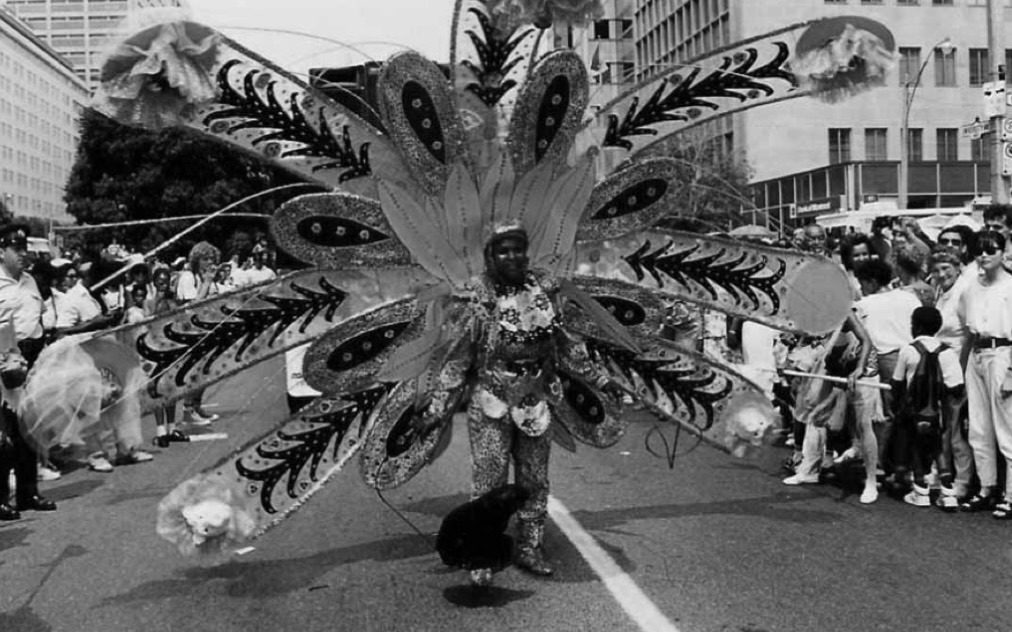
By the late 1970s, a stretch along Eglinton Avenue West began developing into a distinct cultural enclave that locals proudly called Little Jamaica. During this era, the city’s Jamaican population grew rapidly. Throughout the 1970s and 1980s, tens of thousands of Jamaicans relocated to Toronto, with many making Eglinton West their home. Along with new residents came their rich traditions, bold cuisine, reggae music, and a distinct street life.
An ordinary commercial strip gradually transformed into a buzzing corridor where Caribbean culture came alive in sight and sound. Barbershops, beauty salons, restaurants, and grocery stores stocked with authentic Caribbean goods opened along Eglinton West. Recording studios and record shops fueled the local music scene. For Jamaicans and other members of the Caribbean diaspora, these were far more than storefronts—they served as community meeting spots and anchors of daily life.
Over time, the significance of Little Jamaica reached well beyond the borders of the neighborhood. Eglinton West became the heart of Toronto’s Jamaican diaspora, cementing its reputation as a place where Caribbean culture firmly rooted itself in the city’s fabric.
Caribana (Toronto Caribbean Carnival): North America’s Largest Carnival
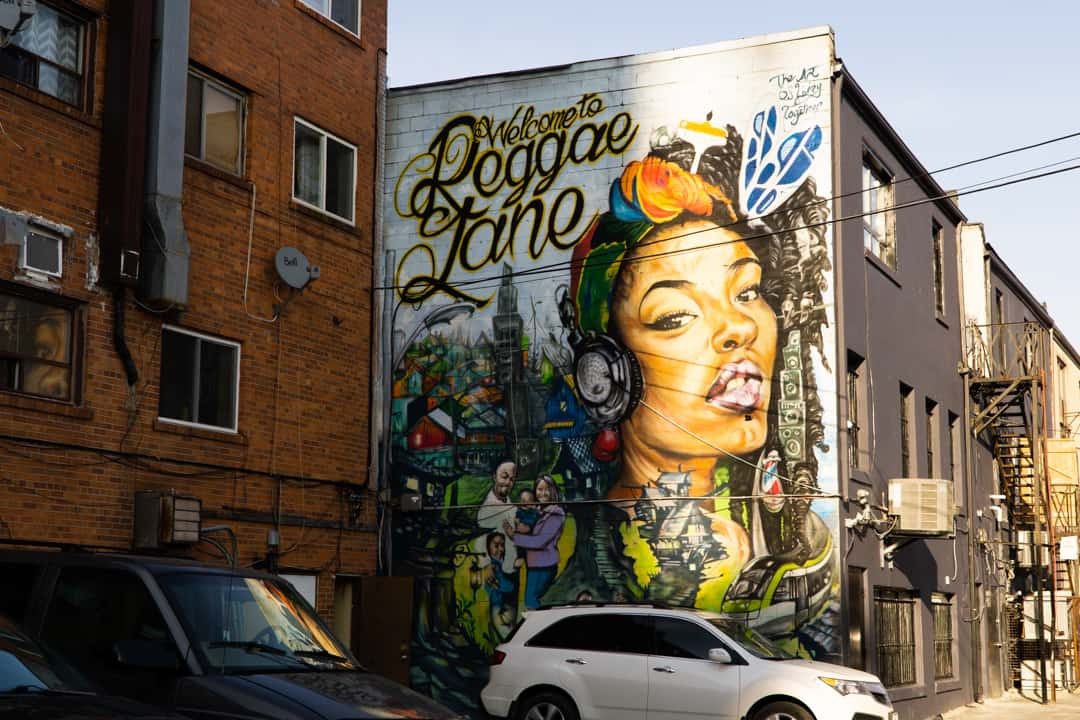
When discussing the cultural impact of the Caribbean diaspora, the first event that comes to mind is Caribana (officially known as the Toronto Caribbean Carnival). It stands as one of the largest Caribbean carnivals anywhere in North America.
The festival originated in 1967, created by the Caribbean Cultural Committee as a gift from the Caribbean-Canadian community to celebrate Canada’s centennial year.
Trinidadian-Canadian Charles Roach spearheaded the initiative, while Jamaican-Canadian Carl Mullings co-organized the inaugural festival. The event grew out of a desire among West Indian immigrants to share the vibrant carnival traditions of Trinidad and Tobago with Toronto’s predominantly white population at the time.
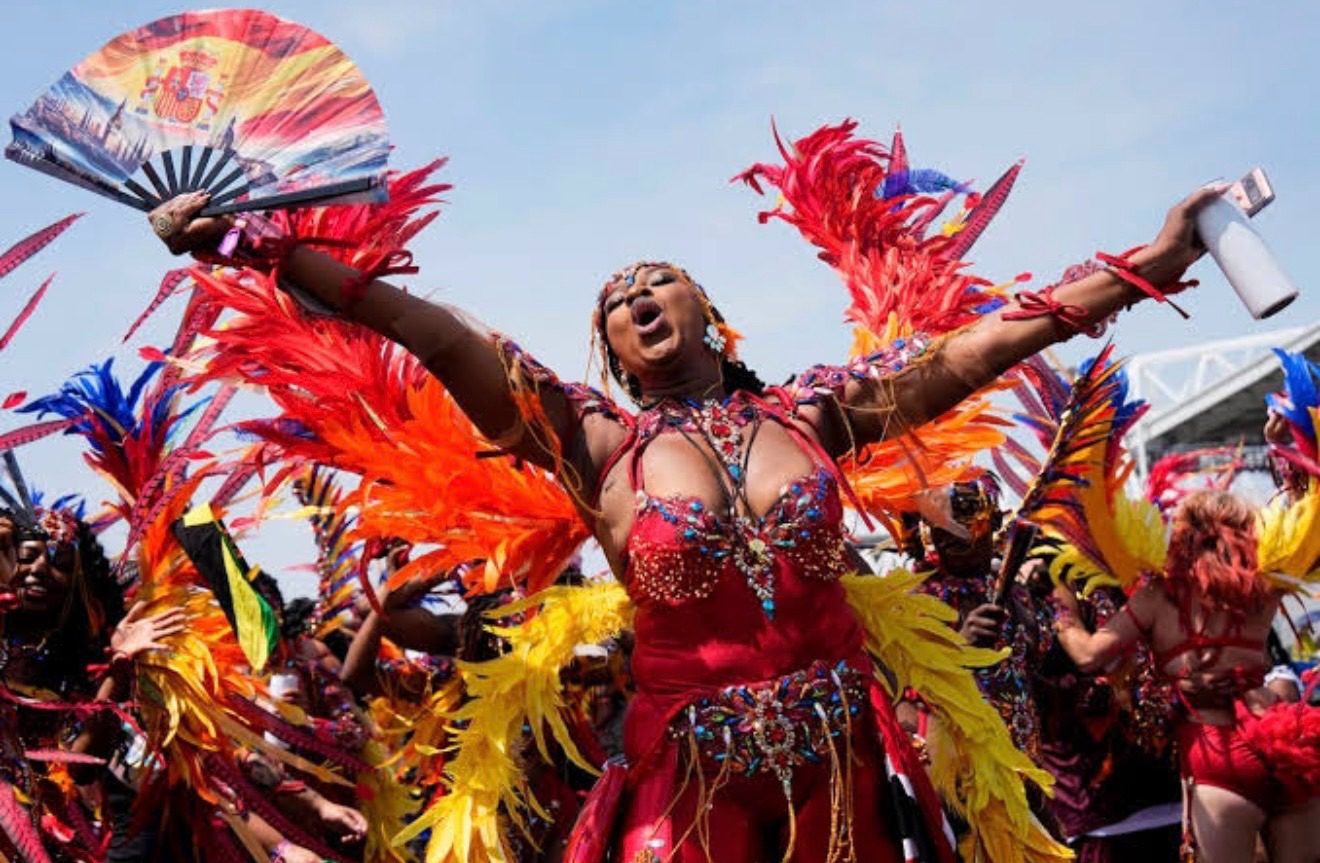
Caribana takes place in late July and early August, coinciding with Emancipation Day, which marks the abolition of slavery across the British Empire. The carnival features lively street parades, calypso and soca rhythms, masqueraders, and elaborate carnival costumes.
Every year, the week-long festival draws around two million visitors and injects upwards of $200 million into the municipal and provincial economies.
The Music Scene: How Caribbean Reggae and Soul Reshaped Toronto’s Sound
For Caribbean immigrants in Toronto, music was far more than mere entertainment. It preserved ties to the homeland, fostered a sense of solidarity, and provided a creative platform to navigate life in a new city. This held especially true for Jamaicans, for whom reggae was a cornerstone of national identity and a source of deep pride.
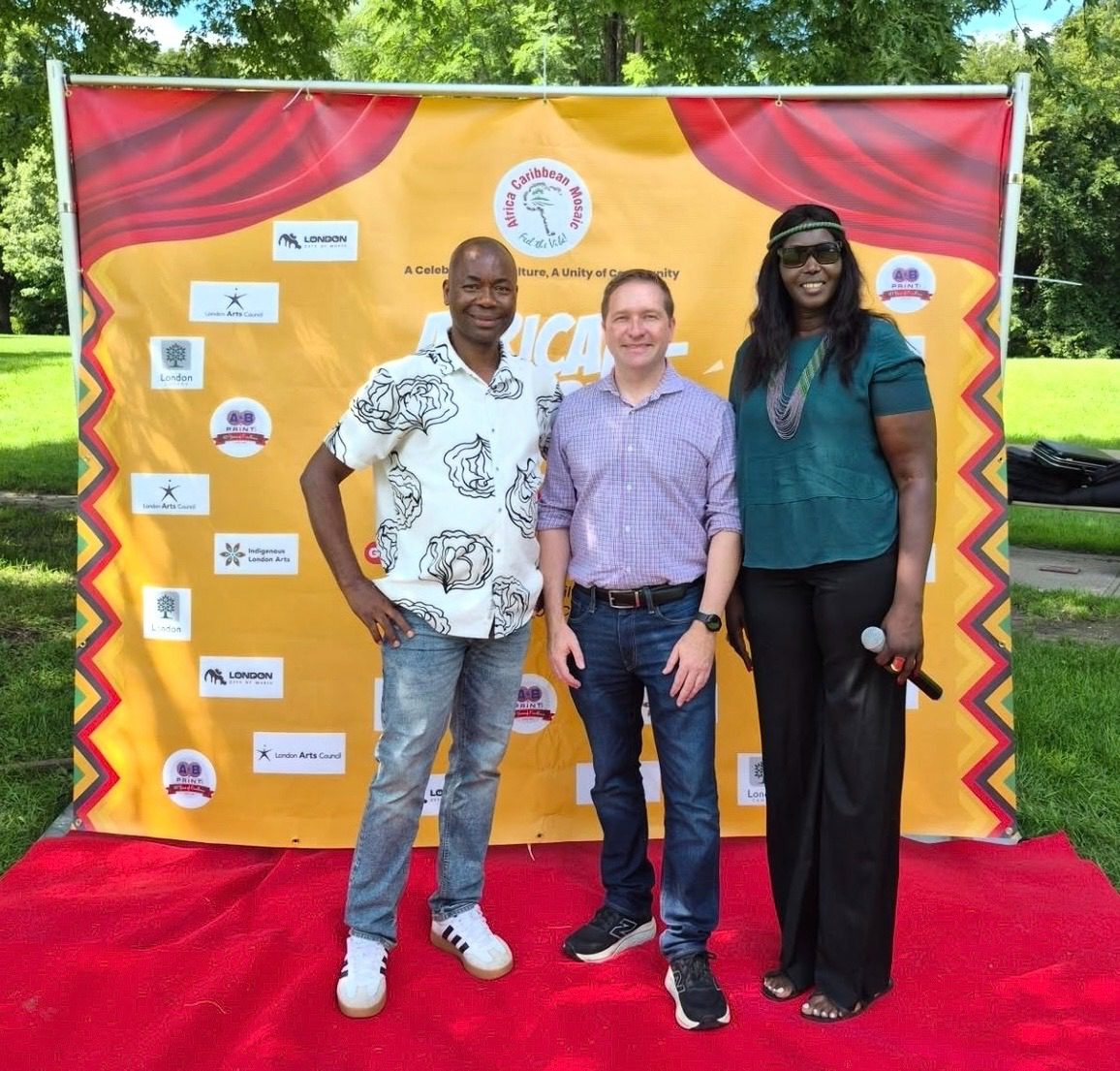
Beginning in the mid-1960s, a steady influx of Caribbean musicians arrived in Toronto. They played in underground clubs, dancehalls, and community venues, gradually carving out their own scene. The road to recognition was steep: artists had to overcome stiff competition as well as racial and social barriers.
Pioneers of Toronto’s reggae movement included Jay Douglas, Jo Jo Bennett, and Jackie Mittoo. They helped transplant Jamaican musical traditions onto Canadian soil, turning their live performances into community staples.
At the same time, Toronto’s Caribbean music scene branched out well beyond reggae. Artists drew from R&B, soul, and funk. As a result, Caribbean music didn’t stay confined to an isolated niche—it seamlessly wove itself into the eclectic soundscape of Toronto.
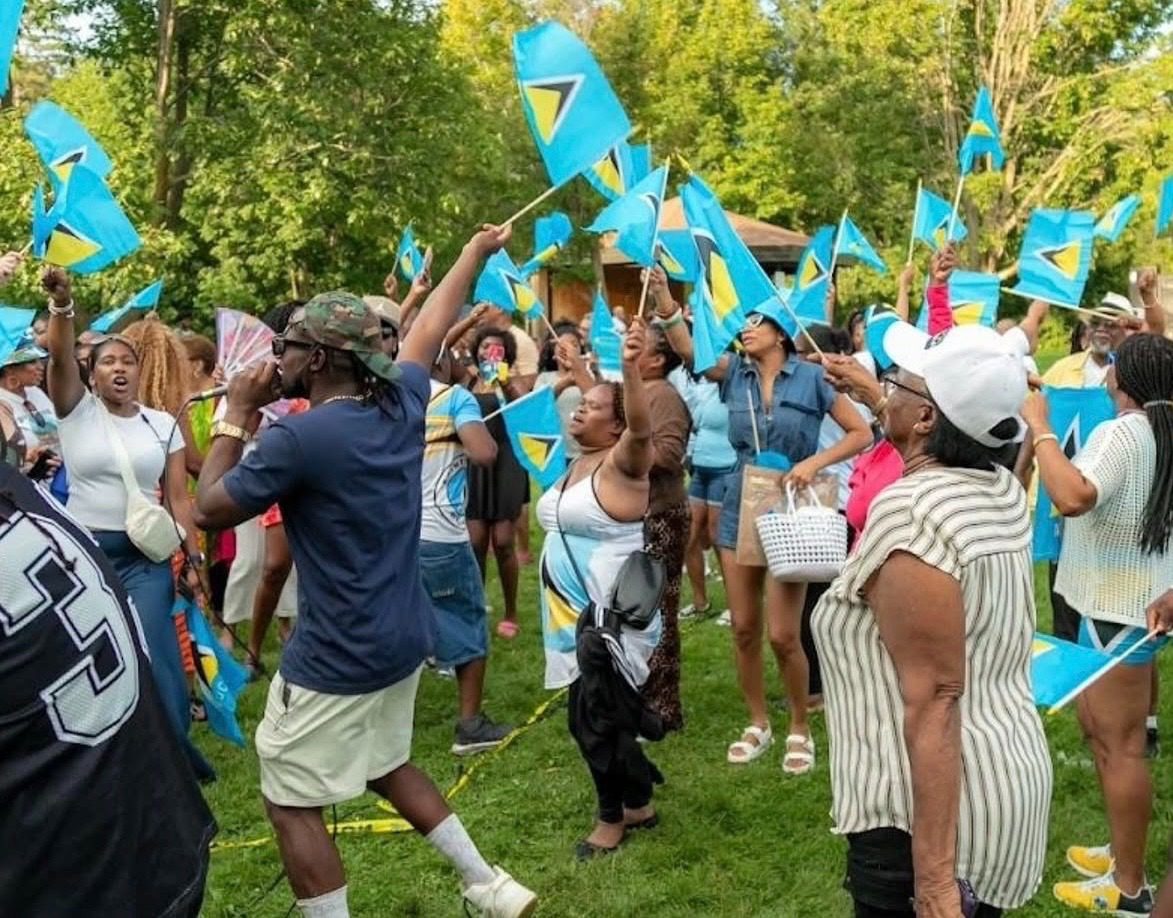
Caribbean Cuisine in Canada and the Legendary “Patty Wars”
Toronto’s Caribbean culinary scene is a flavor-packed mosaic that has become an integral part of the city. From smoky jerk chicken on the streets of Scarborough to rich curries and rotis in King West spots, the metropolis serves up an incredible spectrum of authentic island flavors. Establishments like Mona’s, Rap’s on Eglinton West, Rhum Corner on Dundas West, and Ali’s West Indian Roti Shop on Queen Street West have become bona fide landmarks for locals and foodies alike.
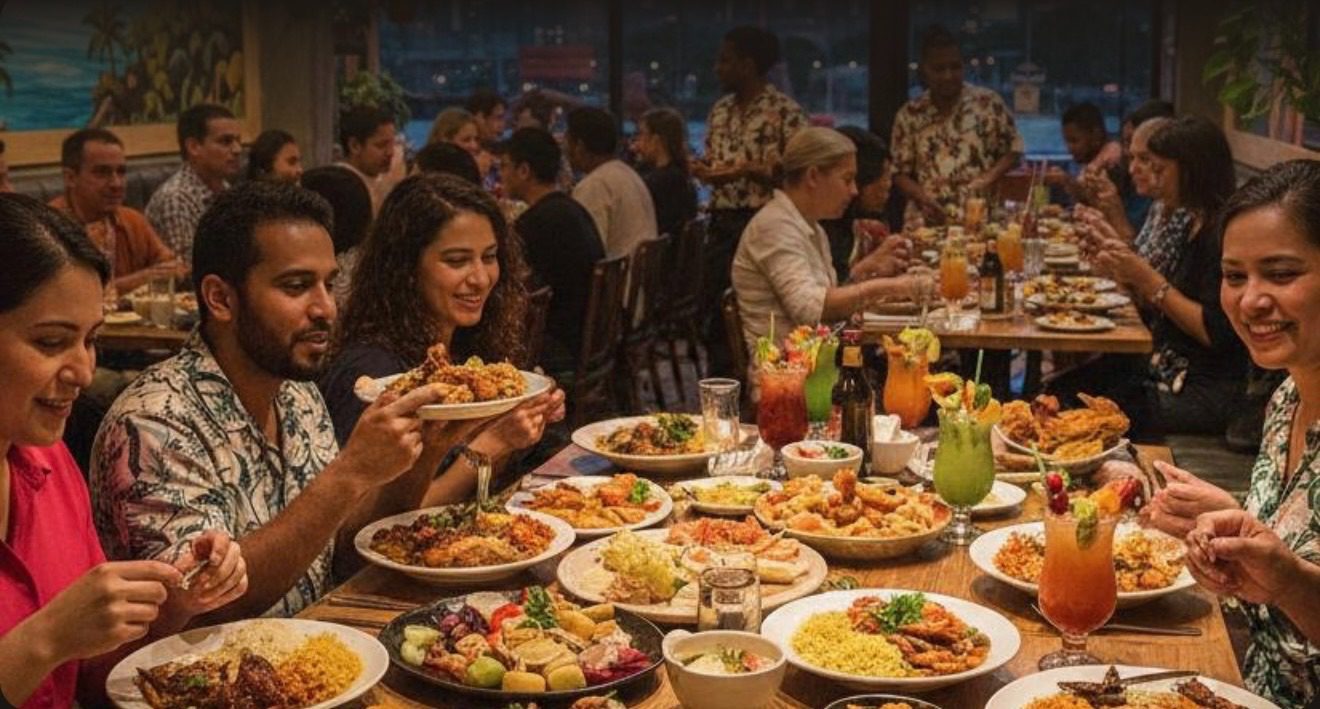
Yet mainstream acceptance of Caribbean food did not come without a fight. In 1985, a peculiar dispute erupted between Jamaican bakers and federal authorities, an incident now famously dubbed the Toronto Patty Wars.
Citing the federal Meat Inspection Act of the time, Canadian inspectors demanded that vendors stop calling their golden pastries “beef patties.” Officials argued that, under Canadian law, the term “beef patty” could only refer to hamburger patties.
The standoff reached a peaceful resolution during a February 1985 “patty summit,” where bakers agreed to label their baked goods “Jamaican patties.”
Gentrification on Eglinton West: Challenges Facing Little Jamaica Today
Caribbean Toronto, shaped across decades, now confronts pressures familiar to many historic urban enclaves. Little Jamaica along Eglinton West is grappling with rapid gentrification, soaring property values, commercial redevelopment, and disruptive transit construction projects.
These shifts are reflected in the area’s changing demographics. While Toronto’s Jamaican community grew to roughly 100,000 residents during the 1970s and 1980s, recent decades have seen a reversal. Between 2006 and 2016, the Black population in the neighborhood dropped by 13%—even as the overall area population fell by only around 5%. By 2021, the displacement of long-time residents and independent businesses remained one of the most pressing issues in Little Jamaica.
For the local community, this means much more than rising rents or new condo towers. As residents leave, long-standing neighborhood pillars vanish with them. Veteran barbershops, mom-and-pop restaurants, music stores, and gathering spots that served multiple generations are increasingly replaced by modern boutiques, chain outlets, and pet specialty shops.
At the same time, the demographic makeup of Eglinton West continues to diversify, with communities tracing their roots to China, Italy, Portugal, Hungary, and the Philippines. While multiculturalism is a defining hallmark of Toronto, it leaves the historic Caribbean community asking an urgent question: will the revitalized neighborhood still have room for its founding culture and businesses?
The footprint of the Caribbean diaspora across Toronto extends far beyond a single neighborhood. Immigrants and their descendants have profoundly enriched the city’s music, culinary landscape, entrepreneurial drive, festival traditions, and everyday civic life.
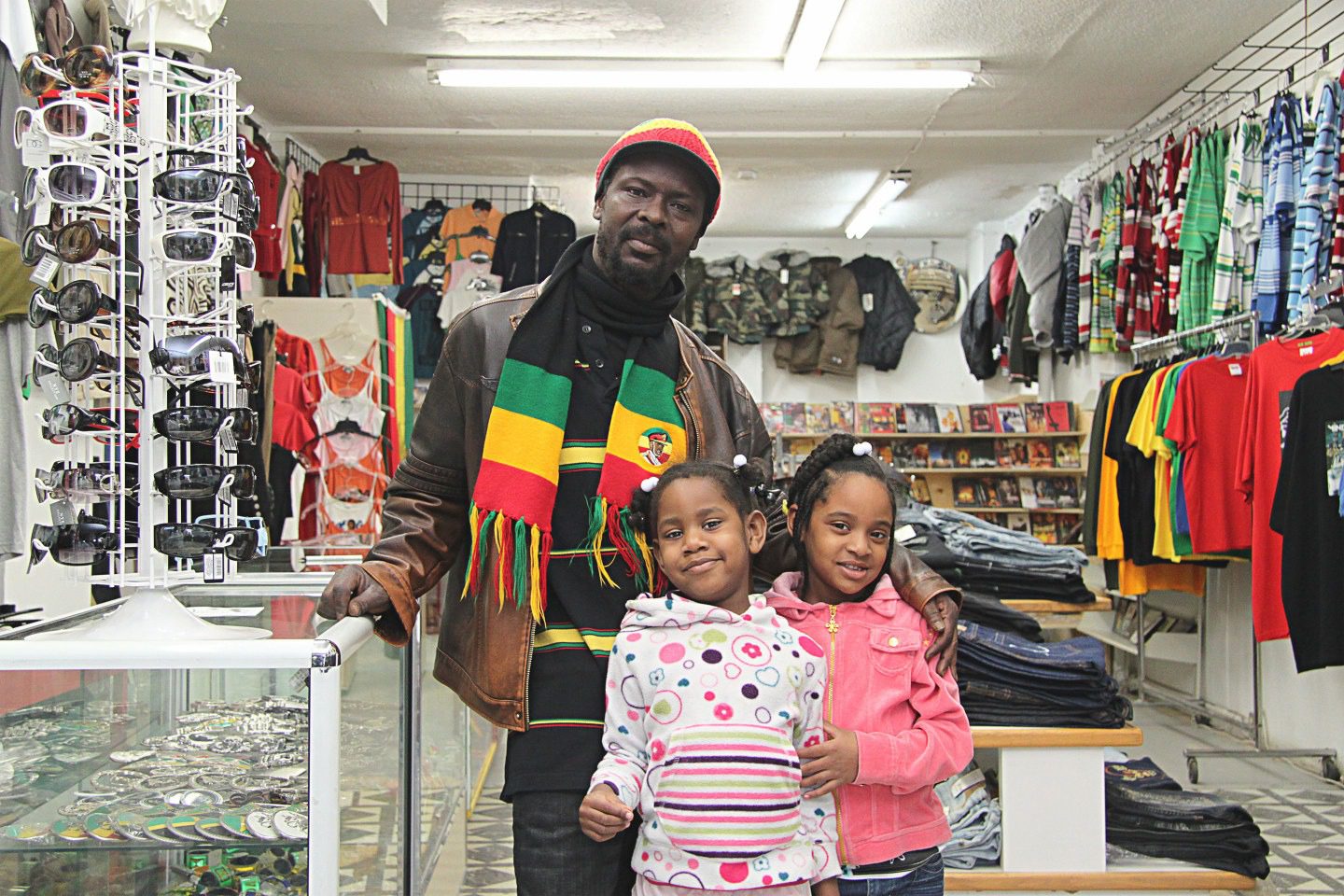
Reggae and other island genres are permanently woven into Toronto’s musical DNA, Caribbean restaurants have broadened the city’s palate, and corridors like Little Jamaica established cultural landmarks in their own right.
Although the physical landscape is shifting—with storied storefronts closing, residents moving, and the old skyline transforming—the heritage built by the Caribbean community over generations does not simply vanish with a replaced shop sign.
It thrives on in the city’s sounds, flavors, small businesses, annual celebrations, and in new generations of Torontonians for whom Caribbean heritage is a core chapter in the story of their hometown.