
Ready to find the best eye exam Toronto has to offer? Let’s get rid of the blur and find the best fit for your eye health needs.
This guide helps you to ask the right questions, understand different exam types, and discover resources for specific eye conditions.
Read through our suggestions to help you navigate your options and find the right eye exam for your needs. Let’s find the perfect eye care that brings your world into clear focus.
1: Understanding Your Eye Care Needs
To find you the best Toronto eye care, let’s begin by considering your specific vision requirements. Reflect on these essential questions:
- Current Vision Concerns: Are you experiencing warning signs like blurry vision, frequent headaches, double vision, or any other vision issues?
- Family History: Are there any hereditary eye conditions, such as glaucoma or macular degeneration present in your family?
- Vision Correction: Do you frequently wear glasses or contact lenses?
- Overall Health: Do you have any health conditions that can affect your eye health?
The answers to these questions will determine the type of eye care professional you need, how experienced they should be, and the type of exam that will best fit your needs.
Understanding Common Eye Conditions
Regular eye examinations are crucial for maintaining optimal eye health. A comprehensive exam can detect early signs of conditions like dry eye syndrome, glaucoma, macular degeneration, and cataracts.
2 – Finding the Right Eye Care Provider
Next, let’s find you the perfect eye care provider for your ocular health needs. Consider these essential questions:
Do you need a general optometrist or a specialist?
- Optometrists offer comprehensive eye exams in Toronto and treat common conditions.
- For complex issues, an ophthalmologist provides advanced medical expertise.
- For your child’s vision care needs, you should consider a pediatric optometrist.
Are you looking for expertise in specific eye conditions?
If you are, booking a consultation with an eye care professional with specific knowledge of your eye condition would be a better idea. For example, seek an eye care specialist in your area for targeted treatment of conditions like dry eye syndrome and macular degeneration.
Do you prefer a specific location or clinic environment?
Choose a clinic near you with a welcoming environment and modern technology. Patient reviews of primary eye care providers will also help you gauge a clinic’s reputation.
Addressing Eye Emergencies: Who Should You See?
A true eye emergency (sudden vision loss, foreign objects, etc.) necessitates urgent eye care from specialized eye care professionals. Seek immediate help from an ophthalmologist or hospital emergency department.
These providers offer the expertise and resources for emergency eye care including potential eye surgery if needed.
Top Tip: Learn about your eye doctor’s qualifications with questions like:
- “What qualifications do you have in optometry?”
- “How do you approach treating different eye conditions?”
These can be asked in advance on most contact forms/FAQs on the eye care centre’s website.
3 – Understanding Your Comprehensive Eye Exam
For our third step, let’s examine what you can expect during the eye exam to ensure you’re fully prepared and informed about the process.
The Exam:
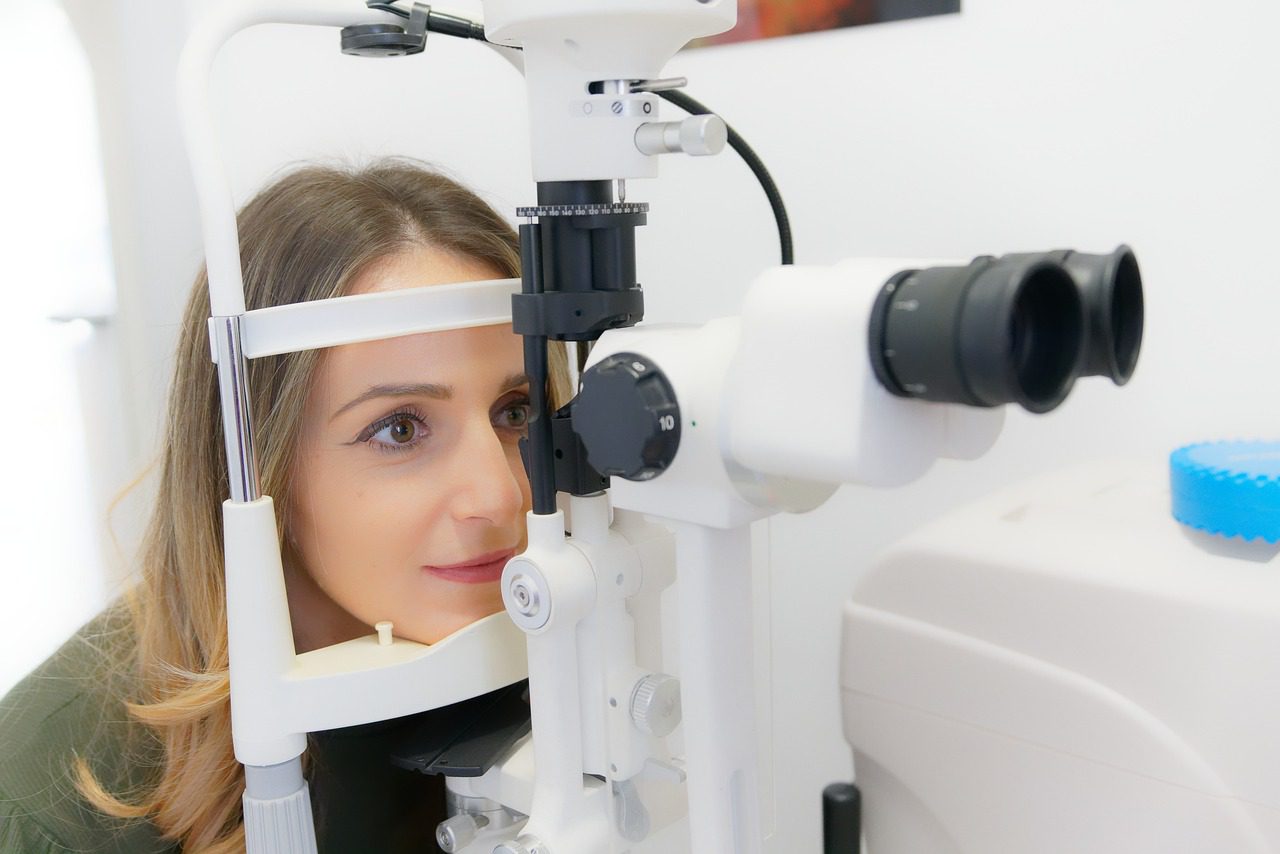
An eye exam includes vision testing to evaluate sight clarity, pupil dilation for an in-depth look at the back of your eye, and general eye health checks to monitor conditions such as age-related macular degeneration.
Logistical Followup Questions
When your exam is finished, discuss details like “How do I schedule follow-up appointments with my eye doctor?” and “Is there customer service for accessing test results and patient portal to book appointments with my eye doctor?” to ensure your logistical needs are met.
These questions will help you protect your ocular health and ensure a productive experience at your eye care clinic in Toronto.
4 – Cost Considerations and Insurance
Let’s answer some key questions for you:
How Much Does an Eye Exam Cost in Toronto?
In Toronto, a comprehensive eye exam typically costs between $75 to $250, depending on the eye care clinic and the extent of vision testing performed. Factors influencing the eye exam cost include the use of advanced technology and the complexity of the eye health services provided.
What Does OHIP Cover for Eye Exams?
OHIP provides free annual eye exams for children and youths 19 & under, seniors 65 and older, and individuals of any age with diabetes who are at risk of diabetic retinopathy, as diagnosed by an eye doctor. Understanding your health insurance plans is imperative to fully benefit from these entitlements.
Why Consider Private Insurance over OHIP?
To cover gaps in OHIP, many opt for private insurance, which can significantly reduce out-of-pocket expenses for services like contact lens fittings and prescription glasses. It is crucial to consult with your insurance provider to grasp fully what your plan covers.
5 – Beyond the Exam: Ongoing Eye Care
For our final step, let’s look at maintaining your eye health throughout your entire lifetime.
How Often Should You Schedule Eye Exams?
- Children and Teens: Initial screening between 6 and 12 months, again at 3 to 5 years, and before first grade. Every year up to 19 since it is covered under OHIP.
- Adults: Generally, an annual eye exam or every two years is recommended. If you have risk factors for eye diseases then every year is essential.
- Seniors: Annual exams are recommended to check for age-related conditions like Dry Eye Disease and other ocular diseases.
Top Tip: Individuals with specific health conditions or a family history of eye diseases should consult their eye care provider to determine if more frequent exams are necessary.
Maintaining Your Eye Health
- Daily Practices: Try protecting your eyes from excessive screen time and UV light.
- Diet and Nutrition: Incorporating omega-3s and vitamins will support the health of patients and maintain clearer vision.
- Professional Care: Regular visits to an eye care centre with an experienced team and optometrists can help manage your eye health effectively.
Choosing the Right Eyewear
- Corrective Options: Do your current glasses meet your lifestyle needs? Discuss lens options and prescriptions for glasses with your optometrist or optician.
- Advanced Solutions: Consider if dry eye therapy could be beneficial for you, as part of comprehensive medical eye care.
Leveraging these strategies will enhance your professional experience and ensure you are receiving the best comprehensive eye care services available.
Wrapping Up
As we’ve explored, the key to finding the best eye exam in Toronto lies in understanding your unique health requirements, selecting the right provider, and effectively managing your insurance options. Armed with this knowledge, you can vastly increase your chances of optimal eye health and clear vision for years to come.