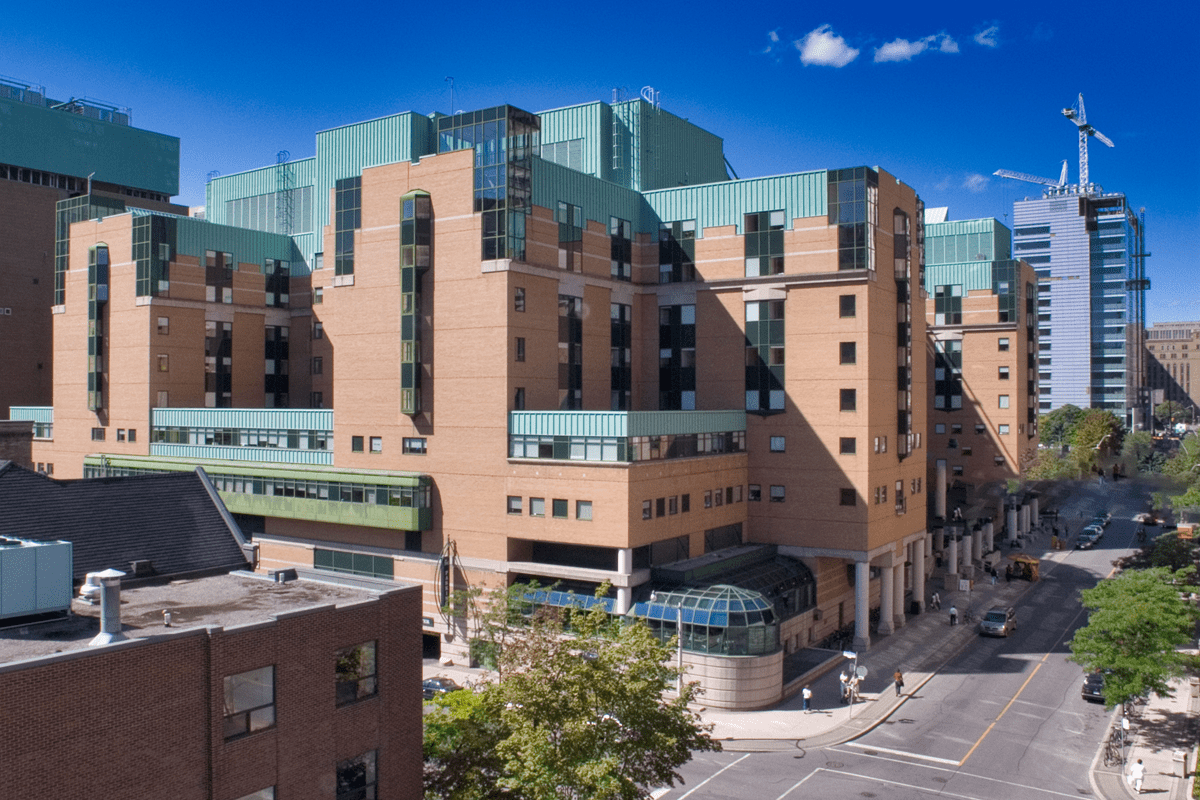

The 19th century marked the dawn of pediatric medicine in Toronto. As the city experienced a major population boom, the limitations of traditional folk remedies for treating children became apparent. This spurred the opening of the city’s first hospital dedicated to children, creating a space with the necessary conditions for young patients and allowing doctors to pioneer effective methods for diagnosis, treatment, and prevention of childhood illnesses. How this hospital came to be and earned its renowned reputation across Canada is detailed further on itoronto.
The Founding of The Hospital for Sick Children (SickKids)
In the early years of Toronto, the need for urgent medical care for children with various illnesses became critical. While folk medicine wasn’t always sufficient, it was a group of local church members who took the initiative to open a dedicated children’s hospital.
In the spring of 1875, under the leadership of Elizabeth McMaster, a new medical facility officially opened its doors. It was located in an eleven-room house and initially equipped with just six beds. The institution was named ‘The Hospital for Sick Children’.
Its very first patient was a young girl named Maggie, who was treated for several burns. In its first year of operation, the hospital treated 43 inpatients and provided care to another 67 on an outpatient basis. By 1876, the hospital had already relocated to a larger building with more spacious rooms to accommodate a growing number of patients and medical equipment.
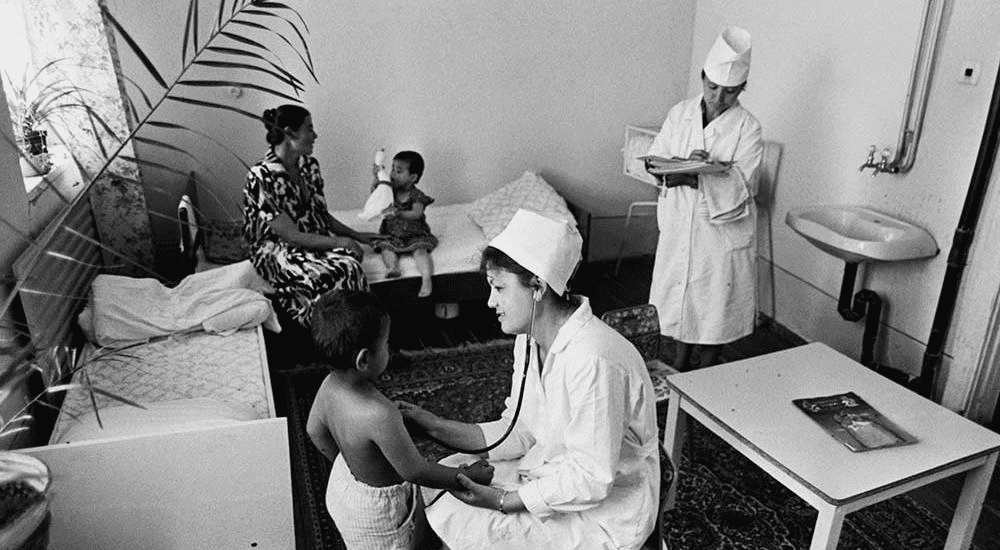
In 1891, the institution moved again, this time to a new site at the corner of College and Elizabeth Streets. This new building also housed an office for the Canadian Blood Services.
In 1951, the children’s hospital opened at its current downtown location on University Avenue, a prominent street known for its landmarks and office buildings. A helipad was later constructed on the hospital’s roof, making it one of only two hospitals in Toronto at the time capable of receiving patients by helicopter. The facility was significantly expanded and renovated in 1998.
Funding for SickKids Hospital in Toronto
Since its establishment, treatment for children at the hospital has been covered by health insurance. Funding comes from the provincial government’s budget as well as from additional sources, including agencies, charitable foundations, and private donations from individuals.
For example, in the 2000s, financial support for the hospital exceeded $70 million annually. This steady stream of funding from various sources remains crucial for maintaining the hospital’s operational excellence, enabling medical research, facility renovations, and the purchase of essential equipment.
The Hospital’s Contributions to Medicine
For many years, the specialists at the Toronto hospital have been at the forefront of innovation in pediatric medicine and nutrition. For instance, in 1908, the hospital opened a milk pasteurization department, a move that led to pasteurization becoming mandatory throughout Toronto.
Then, in 1931, during a period when childhood malnutrition and rickets were serious global problems, research at the hospital led to the creation of Pablum, a nutritious and low-calorie infant cereal. The cereal, packed with vitamins and easy to prepare, quickly gained popularity, cementing the children’s hospital’s reputation as one of the best in Canada.
Furthermore, the medical facility was an early adopter of insulin—a world-changing discovery made in Toronto. One of its inventors completed his residency at the hospital and later became an attending physician. Thanks to this pioneering work, hundreds of children diagnosed with diabetes were successfully treated, saving countless lives.