
The first attempts to create a prototype of the modern refrigerator date back to the early 19th century. Scientists around the world were grappling with how to achieve long-term food preservation. European and American researchers understood the need to solve this problem and ease the daily lives of their fellow citizens. A Canadian academic and professor at the University of Toronto, Archibald Huntsman, was also seeking solutions to this issue and invented a method for quick-freezing fish fillets. Learn more at toronto.info.
How Food Was Frozen Centuries Ago
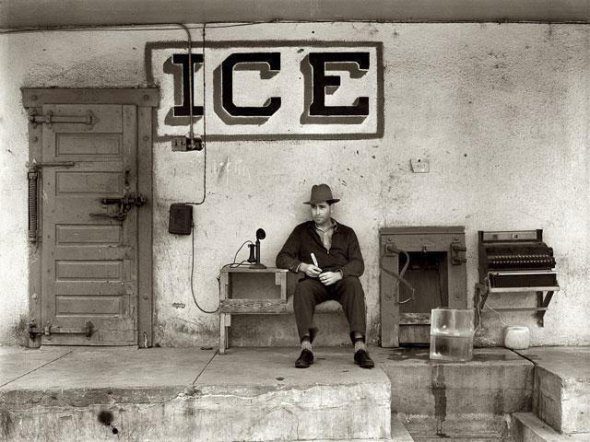
Throughout history, humanity has used various methods for cooling and preserving food. Several millennia ago, special containers filled with ice were used. As far back as the mid-first century AD, during the reign of the Roman Emperor Nero, servants were sent to the mountains to frozen lakes and streams to harvest ice and snow for household needs. In Ancient China, ice blocks were used for this purpose. Europeans learned about the advantages of using cold from the Venetian traveler Marco Polo. He detailed this in his book. In the Middle Ages, wells, cellars, or deep pits helped keep food fresh longer. Later, icehouses came into use: ice wrapped in cloth was sprinkled with salt and stored in a cellar.
American engineer Thomas Moore is credited with inventing the first refrigerator. He delivered butter, but his products couldn’t stay fresh for long, so he needed to extend their shelf life. Thus, the refrigerator (or ice box) was created. It was a container made of thin steel sheets, wrapped in rabbit skins, and placed in a cedar tub. The top of this device was filled with ice. Paper and sawdust also helped to maintain the low temperature.
As demand grew, ice became catastrophically scarce. In 1862, the French inventor brothers Edmond and Ferdinand Carré unveiled a machine for making artificial ice.
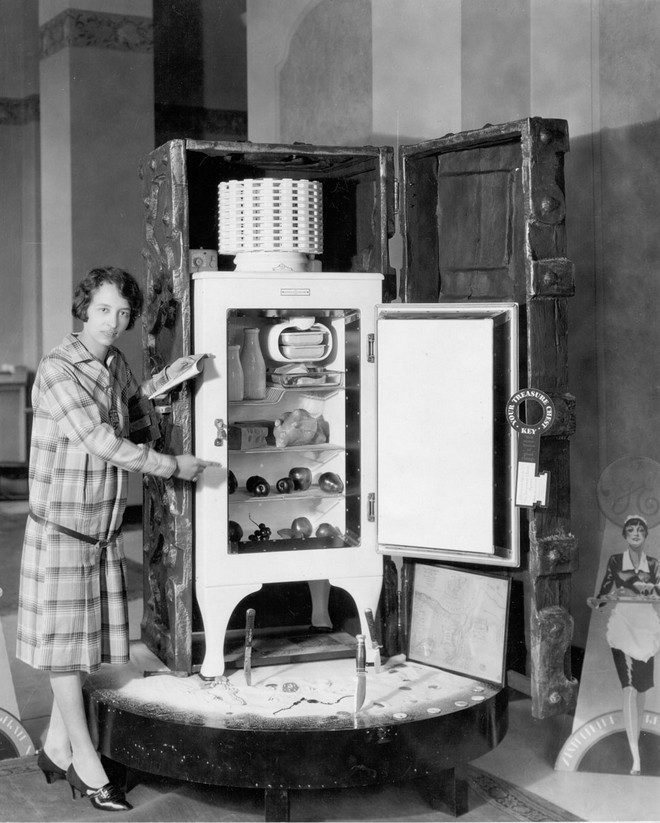
The American company General Electric launched the industrial production of refrigerators in 1911. The refrigeration unit was high-quality but expensive. A design resembling the modern refrigerator was patented by American Alfred Mellowes in 1915.
From that point on, mass production of refrigerators began not only in the United States of America, but also in other developed countries, including Canada. Initially, this appliance was only accessible to wealthy residents, as the prices were not affordable for the average person. As the years went by, refrigerator manufacturing improved, and different price categories emerged. Over time, the majority of the population began using refrigeration devices, and eventually, they became an indispensable part of everyday life.
How Archibald Huntsman Became the Inventor of Frozen Food
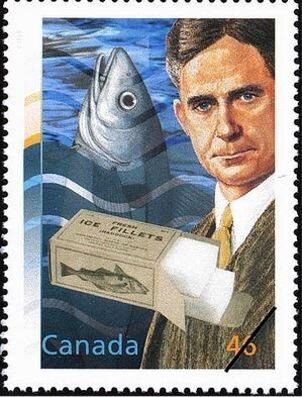
An Ontario resident, graduate, and professor at the University of Toronto, Archibald Huntsman, spent a lot of time speaking with fishermen. Their labour seemed hard to him, so he aimed to ease their daily routines. To preserve freshly caught fish for longer, the scientist devised and proposed his freezing method to them.
First, the fish was cleaned using a special device. The fish fillets were then placed in ice to freeze, packed in wax-impregnated paper, and placed in a storage box.
Although Huntsman’s method did not achieve widespread popularity or mass use, the scientist went down in history and won the respect of his fellow countrymen. For his contributions, the inventor received many awards, and scientific laboratories and foundations were named after him. In Canada, there is a special annual Huntsman Award for achievements “in marine science”.
In 2000, a postage stamp was issued, dedicated to the memory of the outstanding scientist.