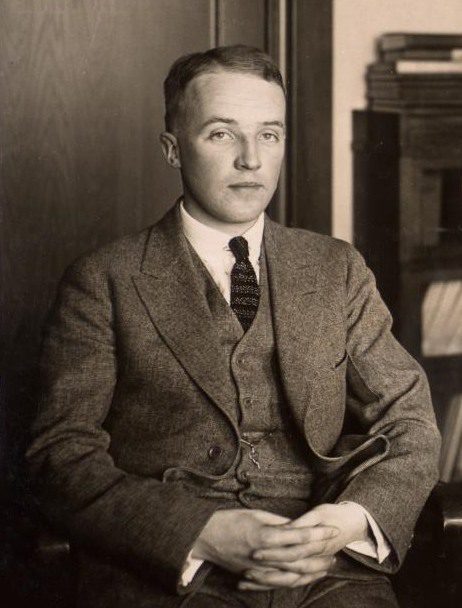

Charles Best demonstrated his knowledge in practice at a remarkably young age. While still a student, he joined the groundbreaking laboratory research led by Frederick Banting. In 1922, together they introduced the world to a miraculous treatment for what was then an incurable disease. Insulin has been saving millions of lives for decades, offering hope to those diagnosed with diabetes. Despite his monumental contributions to medicine, Charles Best did not receive a Nobel Prize but achieved global acclaim. Learn more at itoronto.
Biography of Charles Best
Charles Herbert Best was born in 1899 in the United States, though he spent most of his life in Toronto, Canada. It was in this city that his dedication and perseverance brought him fame. In the early 20th century, there was no treatment offering hope to people battling diabetes—a condition that was both insidious and untreatable with lasting effects at the time.
Charles followed in the footsteps of his father, who was also a physician. From an early age, he developed a strong interest in medicine, realizing it was a field where he could achieve great success. In 1915, he moved to Toronto to pursue his education.
In 1924, Charles married Margaret Hooper Mahon, with whom he had two sons. One became a renowned historian, while the other achieved prominence as a Canadian politician and geneticist.
His mother, though not employed, was musically gifted, excelling in singing and playing instruments. When selecting his university, Charles debated between two institutions but ultimately chose the University of Toronto, enrolling in the Faculty of Physiology and Biochemistry. His decision to pursue medicine was influenced not only by family tradition but also by personal tragedy—his aunt Anna had died of diabetes. Her death solidified Charles’ resolve to dedicate his life to saving others.
His studies were interrupted by World War I, during which he served as an infantryman. After the war, Charles resumed his education, determined to excel despite the challenges of reintegration.
Charles Best’s Role in the Discovery of Insulin
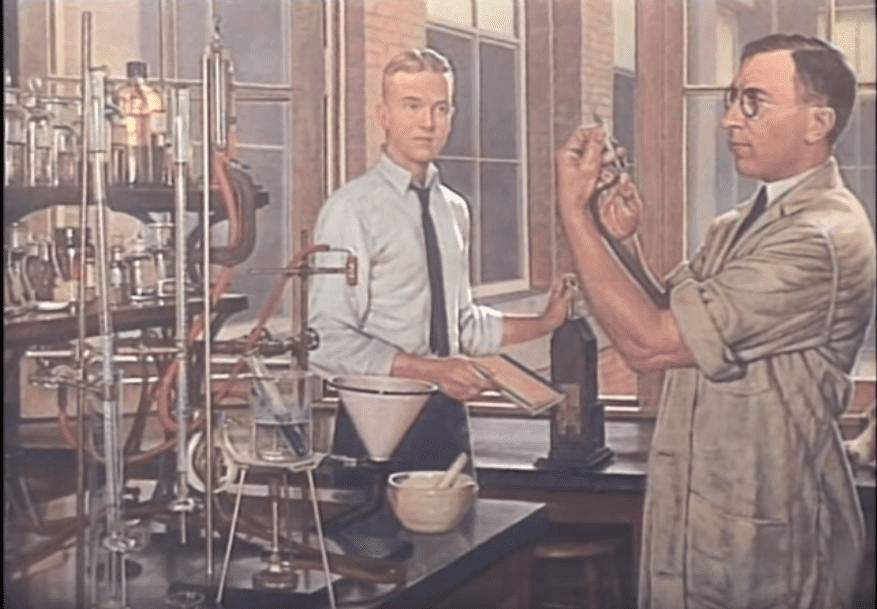
At the age of 22, Charles Best, then a medical student at the University of Toronto, worked as an assistant to Dr. Frederick Banting, a surgeon. Together, they made a revolutionary discovery. After several unsuccessful attempts, they succeeded in isolating the hormone insulin, which proved to be a life-saving treatment for diabetes.
In 1921, Frederick Banting began his research in the laboratory of John Macleod, a professor of physiology at the University of Toronto. While Macleod was on vacation in Scotland, Banting studied pancreatic extracts in dogs. Charles Best and Clark Noble were appointed as laboratory assistants. A coin toss determined who would assist Banting throughout the project, and Best was chosen.
On January 23, 1922, the first insulin injection was administered to a human, marking the day diabetes ceased to be a death sentence. Leonard Thompson, a 14-year-old boy, became the first person to receive insulin therapy.
In 1923, the Nobel Prize in Medicine was awarded to Frederick Banting and John Macleod. Banting disagreed with the decision, believing that Charles Best, his key collaborator, deserved recognition. To honor Best’s contributions, Banting shared half of his prize money with him.
In 1929, Charles Best became a professor of physiology at the University of Toronto. During World War II, he worked tirelessly and played a crucial role in establishing a Canadian program for the production and use of dried human blood serum. Throughout his career, he received numerous awards, but his most significant achievement was his co-discovery of insulin. In recognition of this, he was made a Companion of the Order of Canada in 1967.