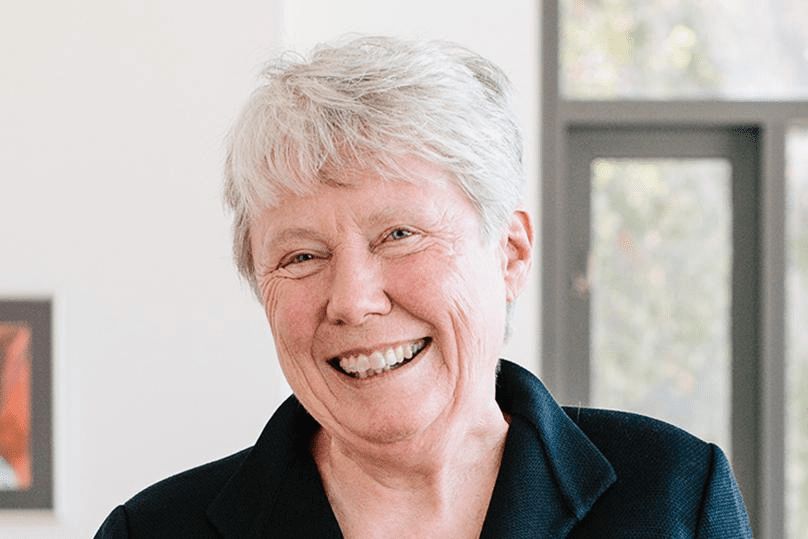

When someone is the president of a prestigious science and technology college, a renowned mathematician, an outstanding artist, and one of only two women on Microsoft’s board of directors, you might assume they are difficult to approach. This description fits Maria Klave of Toronto. Yet, contrary to these assumptions, Klave is warm, cheerful, and genuine. This becomes evident in her interactions with students and her conduct during interviews. Her combination of honesty, a sense of humour, and gratitude makes her an incredibly approachable individual. Learn about Maria Klave’s personal development and career journey below on itoronto.
Formation of Maria Klave
Long before reaching high school, Maria Klave was an advocate for women in STEM. Previously convinced she should have been born a boy, she spent years learning how to act like one. After coming to terms with the painful truth that she wouldn’t wake up one day as the man she dreamed of being, Maria decided to pursue everything boys her age did. Like many girls with an early interest in science and technology, she built things, embarked on daring adventures, jumped off roofs (imitating parachute trainees), and dug tunnels inspired by escape routes in the spy books she read.
At the age of fourteen, Klave realized she needed to change certain aspects of her life to find true happiness. Often feeling lonely, she thought strategically and approached a popular girl at school to ask what made her interesting and accepted. Maria listened, followed her advice, and began attending school wearing makeup and stylish clothes.
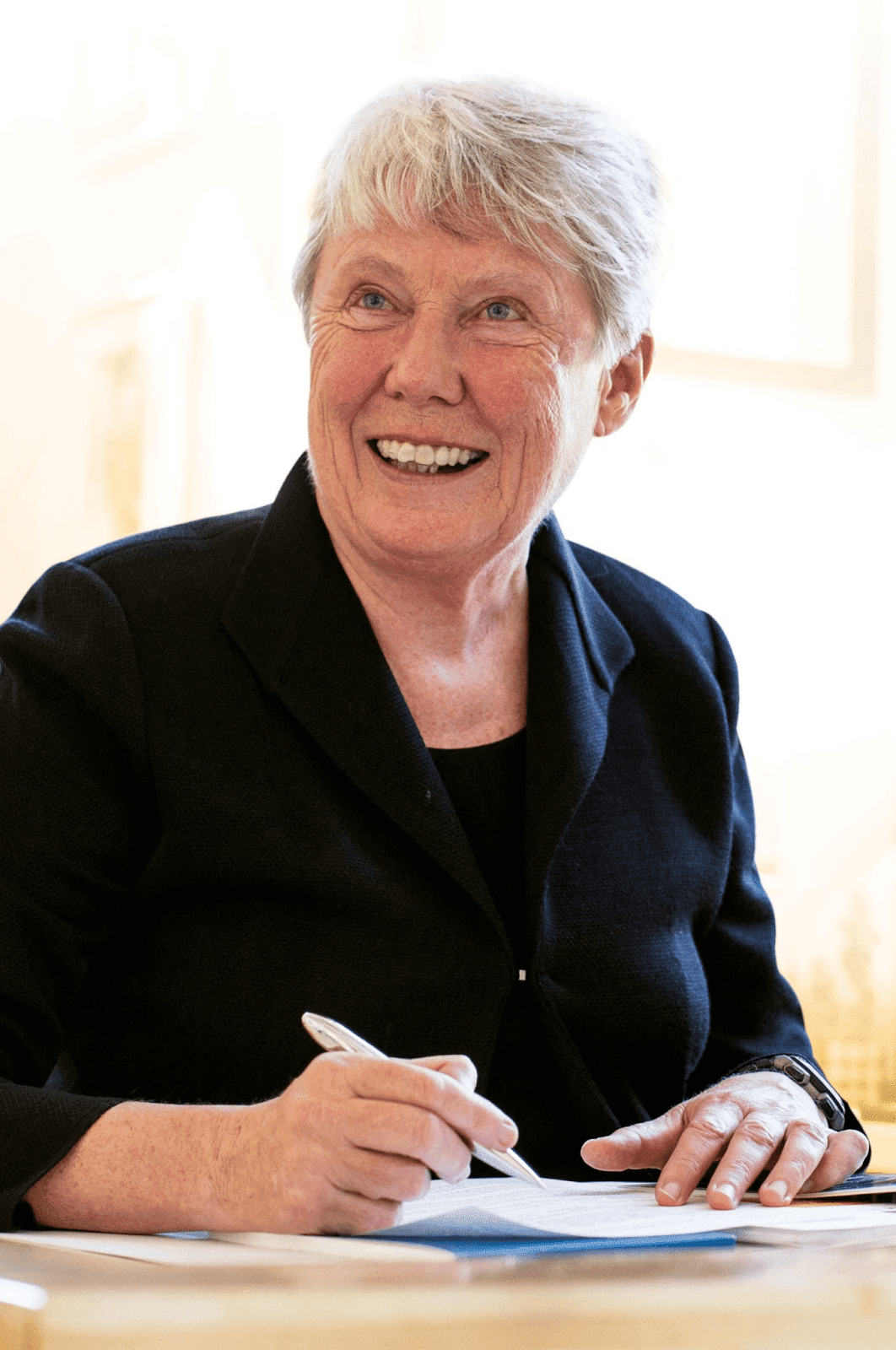
As the only girl in her math class and the top student at her school, Klave was immediately accepted into the University of Alberta. Although she applied to several other universities, the Canadian tradition of studying close to home prevailed. Initially, she planned to study civil engineering and architecture—fields that seemed to align perfectly with her interests and talents in math and art, as she was already an accomplished artist in high school. However, three days before classes began, Klave switched majors after discovering she couldn’t enroll in honours-level math courses as an engineering student. Math was her true passion, and she knew she belonged in advanced courses.
Early Career Path and Love for Mathematics
During a period of questioning the practical value of mathematics, Klave took a year and a half break from school but eventually returned, realizing how much she missed it. The University of Alberta welcomed her back, where she pursued a fast-tracked plan to earn her bachelor’s and PhD in mathematics. By age twenty-five, she completed her doctorate but faced limited career opportunities for growth. After spending some time teaching at a mid-sized university that didn’t fulfill her ambitions, she learned at a conference that theoretical mathematicians were finding success in computer science. This revelation marked the next phase of her career.
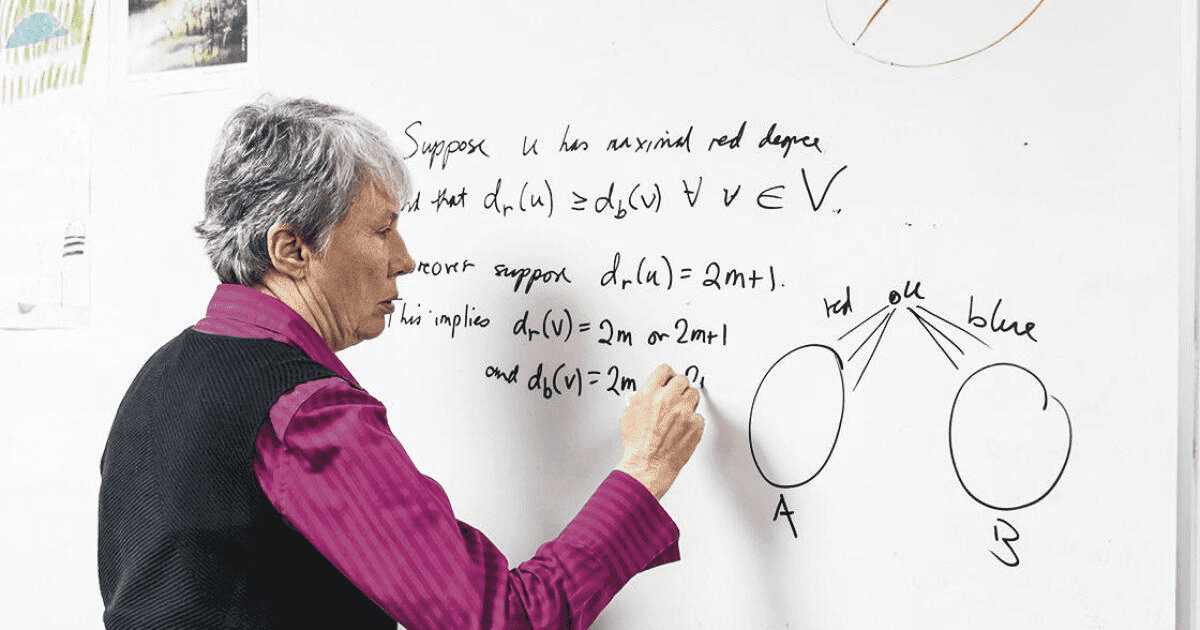
Klave earned her PhD from the University of Toronto, one of the top three institutions globally for theoretical computer science at the time. Soon after completing her dissertation, she was hired as an assistant professor of computer science at the University of Toronto.
To introduce her to the field’s top experts, Klave was tasked with leading seminars. It was during one of these sessions that she met Nick Pippenger, who would become her husband. Six weeks later, they were engaged, despite some doubts from colleagues about the challenges of maintaining a relationship where both partners were stars in their respective fields. Proving the skeptics wrong, Maria and Nick have been married for over thirty years, raised two children, and moved across multiple countries together. Maria describes Nick as her greatest supporter and closest friend.
Furthering Maria Klave’s Career
Klave’s career journey includes roles at IBM Research, the University of British Columbia (UBC), Princeton University, and her current position as president of Harvey Mudd College. While she always knew she wanted to remain in academia, her eight years at IBM Research taught her invaluable lessons and cemented her reputation as a top-tier researcher. One key lesson she learned was the importance of advocating for underrepresented groups in academia and industry.
Initially, Klave valued traits traditionally considered “masculine,” such as persistence and assertiveness, believing they were lacking in women. However, she later re-evaluated these biases, realizing the need to support diverse individuals. Today, she champions women in science and engineering, emphasizing that personal style or appearance doesn’t diminish their contributions.
Leadership Roles and Achievements
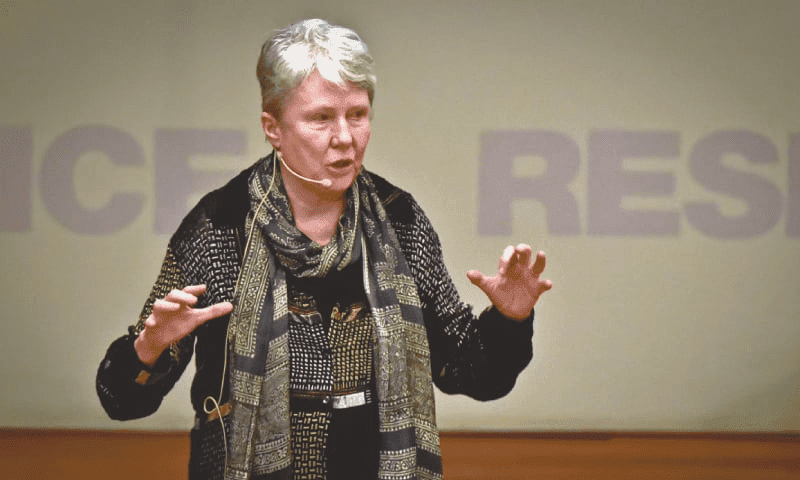
After eight years at IBM, Klave and her family returned to Canada, where she spent the next fifteen years at the University of British Columbia. During her tenure, she served as the head of the Department of Computer Science, Vice President of Student and Academic Services, and Dean of the Faculty of Science. Klave achieved numerous milestones and received many accolades, becoming the first female computer science faculty member, the first female department head, and the first female vice president at the university.
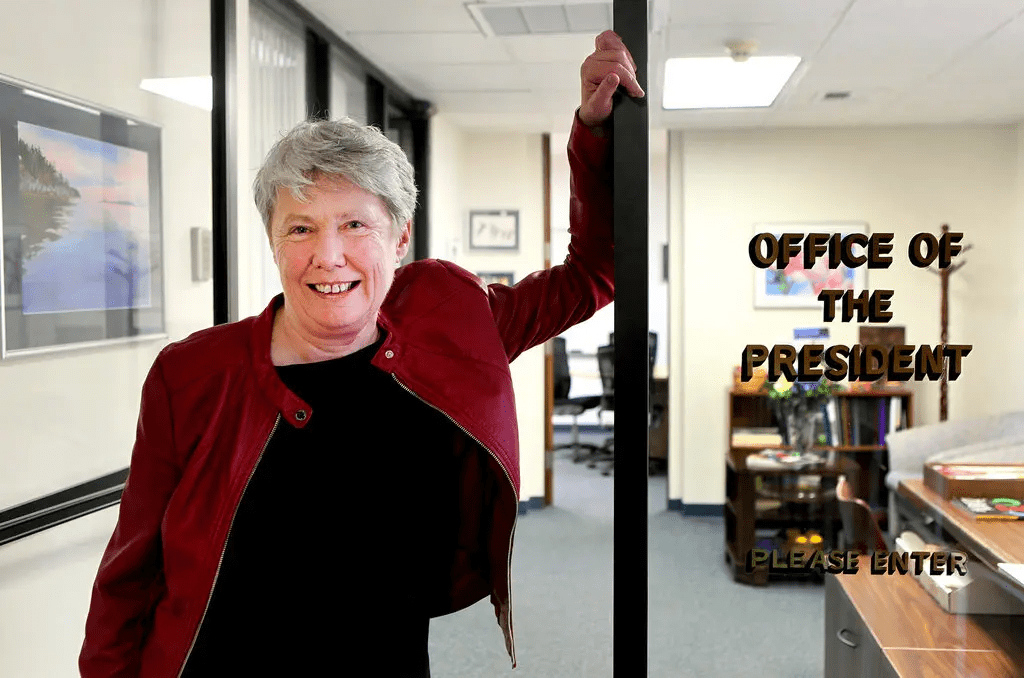
Additionally, Klave accepted the position of Dean of Engineering at Princeton University and remained there until moving to another city to take on the role of President at Harvey Mudd College.
Maria Klave as an Artist
In addition to her academic and professional achievements, Klave is a talented watercolour artist. She made the deliberate decision to embrace her identity as an artist on her 40th birthday, despite concerns that being both a woman and an artist might further challenge her acceptance in the male-dominated fields of mathematics and computer science. This hasn’t deterred her from enjoying and sharing her passion for art and science.
Maria Klave’s journey is a testament to perseverance, adaptability, and the power of embracing one’s unique identity.