Thomas Charles Longboat was a long-distance runner and Olympian, recognized as one of the most celebrated athletes of the early 20th century. Known for introducing innovative training methods still used today, Longboat was a leader in marathon running, a victor in numerous races, and a globally renowned figure. Learn more about the life and career of this trailblazing Olympian on itoronto.info.
Childhood and Education
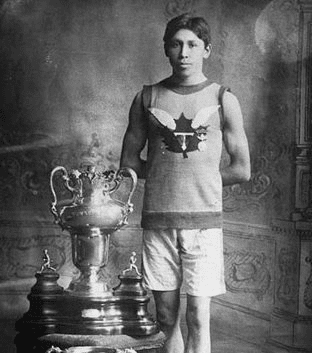
Thomas Longboat was born on July 4, 1886, in Ohsweken, Ontario, as the middle child of George Longboat and Elizabeth Sky. He had one sister and one brother. When Thomas was just five years old, his father passed away in 1892.
Together with his siblings, Thomas helped his mother with household chores and herded cows. At age 12, he was sent to the Mohawk Institute Residential School in Brantford. The school emphasized a military-style education with significant physical activity programs.
After one year at the institution, Thomas escaped. Although he was caught and returned, he later successfully ran away again and moved in with his uncle.
Early Steps in Sport
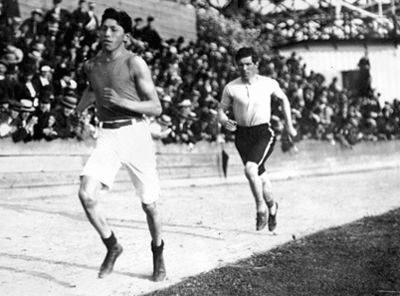
In 1906, at the age of 19, Thomas participated in a five-mile race on Victoria Day in Caledonia, Ontario. Winning the competition motivated him to train under Bill Davis.
In 1907, Longboat won the Hamilton Around the Bay race, defeating his competitor by more than three minutes and nearly breaking the course record.
Two years into competitive racing, Longboat entered the Boston Marathon and secured victory. He set a new record time of 2 hours and 24 minutes, beating the previous best by five minutes. This achievement made him the third Canadian to win the prestigious event.
To celebrate Longboat’s Boston Marathon victory, a grand event was held, attended by over 200,000 people. His fame quickly spread worldwide.
Career Growth and Milestones
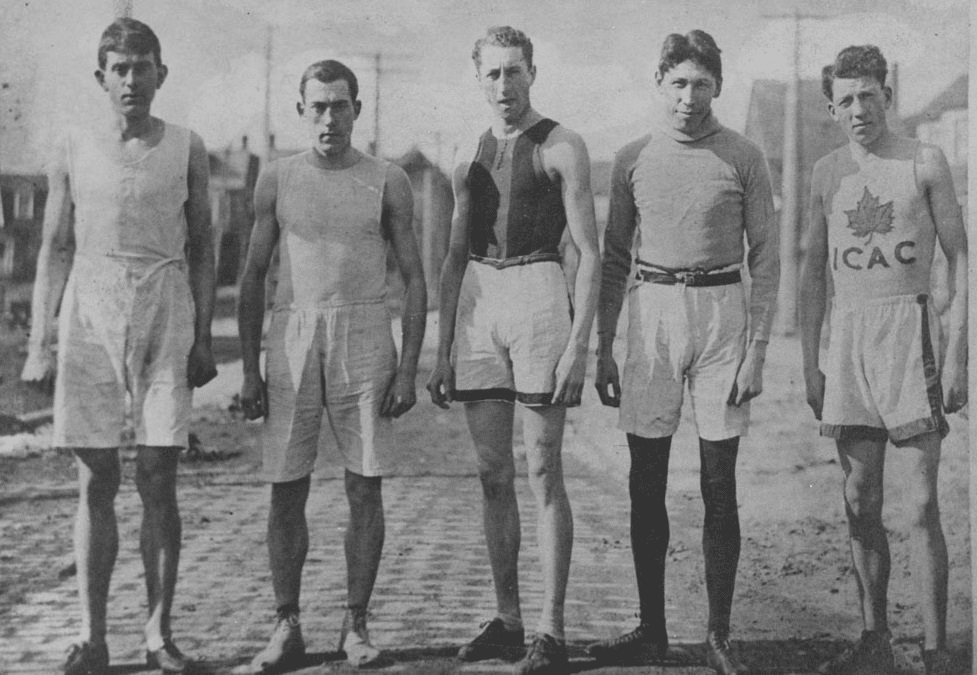
In 1908, Longboat claimed his third victory at Toronto’s Ward Marathon. That same year, the Olympics were held in London, and initially, Longboat was barred from participating. The Amateur Athletic Union of the United States deemed him a professional athlete and ineligible to compete.
The Canadian Amateur Athletic Union initially agreed with this decision. However, public outcry persuaded the Canadian authorities to allow Longboat to represent the country at the London Olympics.
During the Olympic marathon, Longboat collapsed due to record-breaking heat.
Beyond his racing accomplishments, Longboat was celebrated for his innovative training methods. He introduced a regimen alternating between intense workouts and recovery periods, a concept still employed in modern athletic training. Longboat continued competing and training until 1916.
Life After Sports
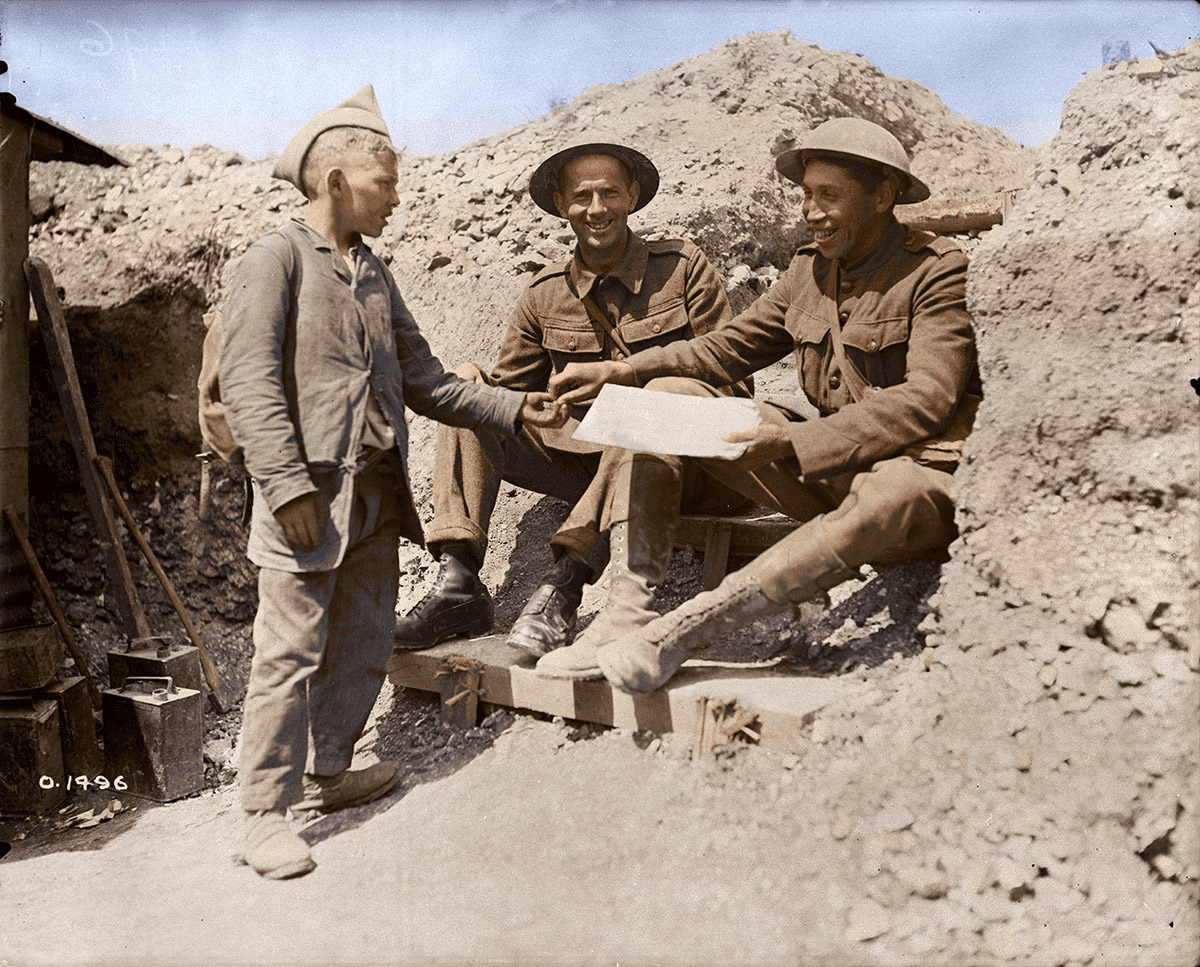
In 1916, Longboat enlisted in the Canadian Armed Forces, joining the 180th (Sportsmen’s) Battalion. Later, he was transferred to the 107th Battalion, where he served as a messenger on the Western Front.
After his military service, Longboat moved to Alberta in 1920 to claim land awarded to him for his service. However, due to administrative errors, he never received the land.
Subsequently, Longboat relocated to Toronto, where he worked as a janitor for over 17 years. This job allowed him to purchase a car, a significant luxury at the time.
Following his retirement, Longboat returned to Ohsweken. He later developed health issues, including diabetes. In 1949, he passed away from pneumonia.
In 1951, the Tom Longboat Award was established to honor his athletic achievements. The award is presented annually by the Aboriginal Sports Circle to Indigenous athletes who demonstrate excellence in sports.
Longboat was inducted into the Canadian Sports Hall of Fame in 1955 and the Ontario Sports Hall of Fame in 1996. His legacy as a pioneering athlete and innovator continues to inspire generations.