

Seasonal changes often mark the beginning of health problems. It’s during these times that focusing on immune system support becomes crucial. Nobody wants to be stuck in bed feeling powerless, missing work and fun, dealing with coughing, sneezing, nasal congestion, or fever. What steps should you take to avoid such situations? This article provides advice from Toronto doctors on strengthening your immune system. More on itoronto.
Why Gut Health is Crucial for Immunity
There is an abundance of advice on how to improve your health, but in Toronto, experts emphasize that the most important thing you can do to boost your immune system is to support your gut. You may wonder: what is the connection between the gut and immunity? Believe it or not, the body’s ability to fight viruses and bacteria is directly tied to nutrition. That’s why Toronto doctors strongly recommend creating a healthy eating plan at the start of autumn and spring.
Throughout the small intestine, there are regions known as Peyer’s patches. These lymphatic nodules are responsible for forming our immune system and producing antibodies to combat illness. They also help regulate the balance of good and bad gut bacteria. According to Australian research, approximately 70-80% of the immune system depends on gut health. The takeaway: the better you care for your gut, the more likely you are to prevent potential illnesses.

Restoring Gut Flora: Probiotics
Investing in a quality probiotic is a great idea regardless of the season, but it becomes especially important when temperatures drop. The increase in viruses and bacteria during this time requires extra vigilance in protecting our health. Antibiotics may also be necessary to treat certain infections, making probiotics essential to maintaining gut flora balance.
What Foods Do Toronto Doctors Recommend?
One of the most important nutrients for fighting viruses and bacteria is zinc! This mineral is abundant in many foods, such as:
- Red meat
- Poultry
- Oysters
- Pumpkin seeds
- Egg yolks
- Beans and nuts
If you choose to include supplements in your diet, it’s best to take them with meals to avoid stomach irritation. Zinc lozenges can also significantly alleviate cold symptoms, sometimes reducing the duration of a viral infection by 50%!
However, excessive zinc intake can lead to negative side effects, especially for pregnant women, individuals with zinc allergies, and those living with HIV. Therefore, Toronto doctors recommend consulting with a physician before taking zinc or any other vitamins and minerals. If you’re registered with a city hospital, you can simply call to discuss dosage and duration of supplement use. Otherwise, healthcare professionals are legally required to conduct an in-person assessment before offering guidance.
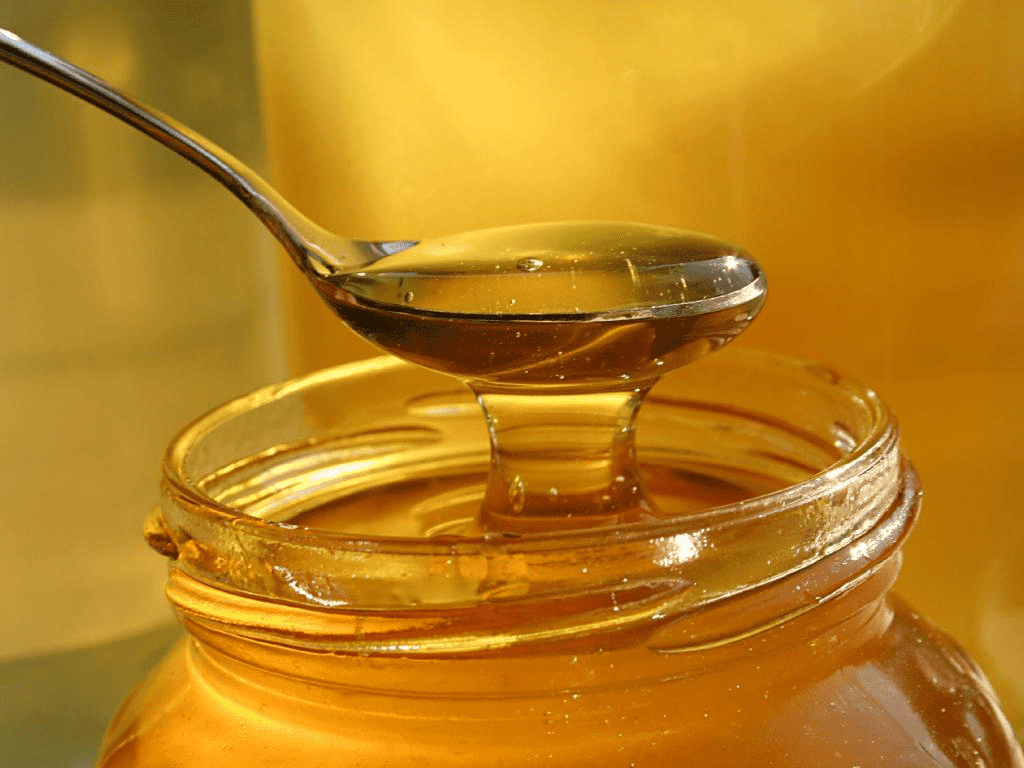
Toronto doctors highly recommend incorporating garlic, onions, mushrooms, and raw unpasteurized honey into your diet. Consuming these in significant quantities can help your immune system ward off various infections. Additionally, these foods reduce inflammation and speed up recovery. Fatty fish such as salmon, tuna, halibut, herring, mackerel, oysters, sardines, and trout are also beneficial, as they are rich in omega-3. Leafy greens, berries, turmeric, and green tea are known for their antioxidant and anti-inflammatory properties, so be sure to include them in your meals!
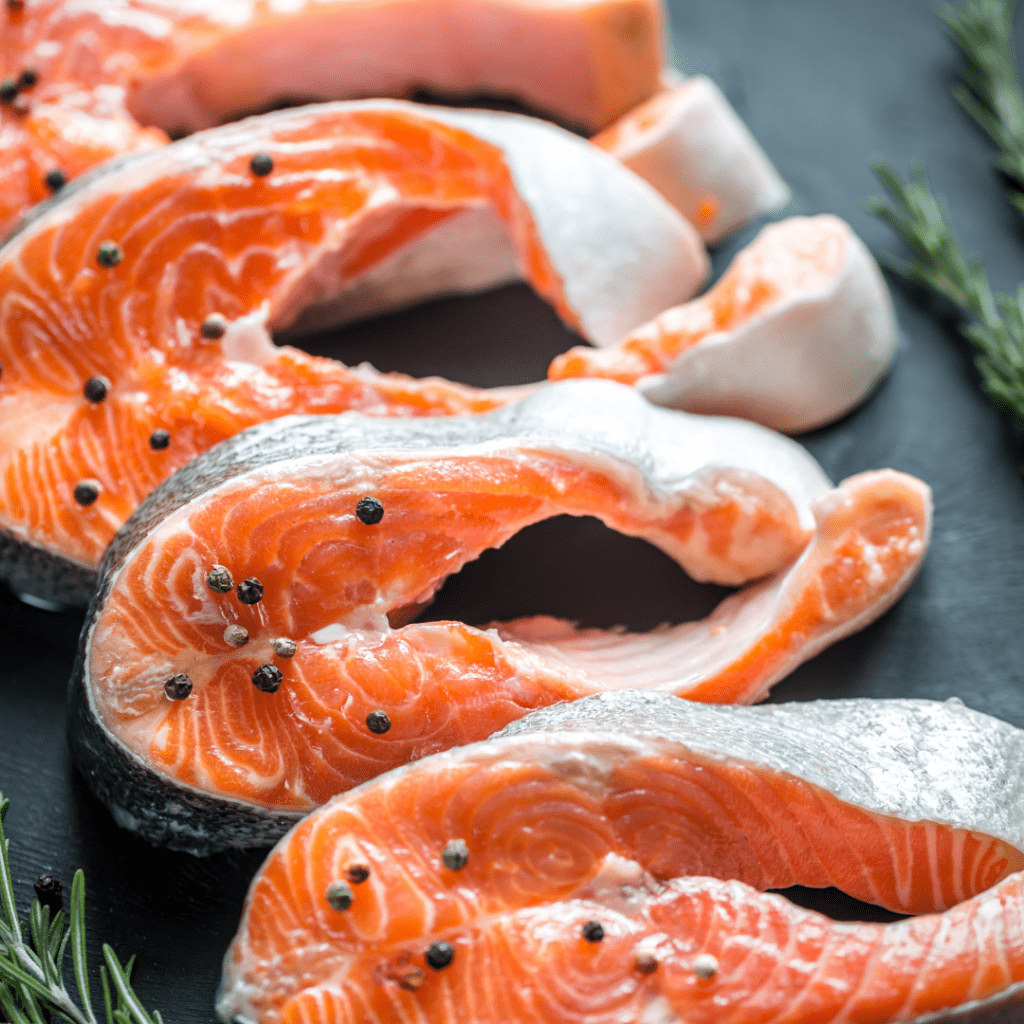
For breakfast, doctors suggest oatmeal topped with flaxseeds, walnuts, cinnamon, and blueberries for an energy-packed start to your day. An ideal lunch could be grilled chicken with sautéed spinach and mushrooms with fresh garlic. For dinner, try baked salmon with red bell peppers stuffed with brown rice and broccoli florets. A great snack option is a mug of golden milk full of antioxidants. Additionally, reducing sugar intake is advised. While the connection between sugar and viral/bacterial illnesses is still unclear, it is known in Toronto that excessive sugar consumption negatively impacts gut health.
Immune System Research
Immunity is a vast system rather than a single entity. For it to function well, balance and harmony are necessary. Researchers still have much to learn about the intricacies of the immune system and its interconnections. Currently, there are no scientifically proven direct links between lifestyle choices and improved immunity. This is why scientists continue to study how diet, exercise, age, psychological stress, and other factors influence immune responses in both animals and humans. Here are some general tips for boosting health:
- Don’t smoke.
- Eat plenty of fruits and vegetables.
- Exercise regularly.
- If you consume alcohol, do so in moderation.
- Maintain good sleep quality.
- Take precautions to avoid infections, such as frequent handwashing, dressing warmly, and thoroughly cooking meat.
- Minimize stress.
- Stay up-to-date on recommended vaccinations. These help your immune system fight infections before they take hold.
While many products claim to boost or support immunity, this concept doesn’t have a scientific basis. For example, athletes who use “blood doping” to increase hemoglobin levels for better performance risk having strokes. Researchers also agree that people with very low food intake are more susceptible to infectious diseases. Additionally, deficiencies in various nutrients (such as zinc, selenium, iron, copper, folic acid, and vitamins A, B6, C, and E) can alter immune responses, though whether these changes impact the overall immune system remains unknown.

It’s worth noting that as we age, our immune response declines, contributing to a higher incidence of infections and cancer. With longer life expectancy in developed countries, the prevalence of age-related illnesses is increasing.
Research shows that compared to younger people, older Toronto residents are more likely to contract infectious diseases and, more importantly, are more likely to die from them. Respiratory infections, including influenza, COVID-19, and especially pneumonia, are leading causes of death in individuals over 65 worldwide. Scientists are still unsure why this occurs, but some suggest it correlates with reduced T-cell production, possibly because the thymus shrinks with age. Whether this decline explains the drop in T-cell activity or if other factors play a role remains unclear.
Sources: