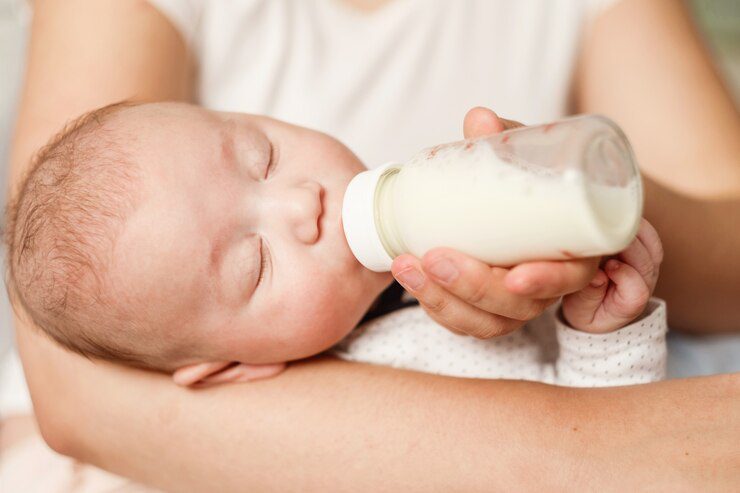

Canadian history remembers a time when the nation faced alarmingly high infant mortality rates, reports itoronto.info. The primary cause of this tragic phenomenon was the lack of clean and pasteurized milk. At the time, there was no baby formula that could serve as an adequate replacement for natural milk.
Faced with this pressing issue, Canadian pediatricians and scientists undertook a vital mission: to develop a formula that would provide newborns with essential nutrients and vitamins.
After extensive research, they introduced Pablum, a groundbreaking infant cereal. Developed at Toronto’s Hospital for Sick Children, this product aimed to address the frequent infant mortality crisis.
The doctors and scientists succeeded brilliantly. Thanks to their efforts, Canadian newborns began receiving the necessary doses of vital nutrients, leaving behind the era of questionable-quality natural milk.
This article, based on canadianaconnection.com and thecanadianencyclopedia.ca, dives deeper into the story of the cereal that became a lifesaver for Canadian infants.
Background
During the 1920s and 1940s, Canada faced alarmingly high infant mortality rates. Malnutrition was one of the leading causes of infant deaths. Additionally, many children succumbed to diseases caused by contaminated and unpasteurized cow’s milk.
Homemade Baby Food
Canadian mothers often resorted to making their own baby food. These homemade mixtures typically involved soaking crushed biscuits in milk. However, such meals lacked the essential vitamins and minerals necessary to prevent childhood illnesses.
Moreover, the development of infants’ digestive systems was still in progress. This meant that the homemade food prepared by Canadian mothers often posed significant risks. Without refrigeration, these mixtures could easily harbor bacteria, leading to diarrhea and other gastrointestinal issues.
Scientific Research
In 1918, the Nutrition Research Laboratory was established at Toronto’s Hospital for Sick Children. Dr. Alan Brown, the hospital’s chief physician, hired doctors Theodore Drake and Fred Tisdall to lead laboratory research.
This marked the beginning of in-depth studies on infant nutrition. Researchers utilized irradiated food products rich in vitamins to explore new feeding solutions for babies.
A New Product

Building on their research, Tisdall and Drake introduced a whole-grain biscuit in 1930. This product was enriched with vitamins and minerals, designed to combat malnutrition among children.
Meeting Infants’ Needs
Pediatricians eventually concluded that the biscuits created earlier were suitable for older children but were not appropriate for newborns.
This led Tisdall and Drake to face a new challenge: developing a cereal specifically for infants that would provide essential proteins, vitamins, and minerals while avoiding digestive issues.
Through meticulous research into the best foods for infants, the experts decided to use only ingredients rich in vital nutrients. The final product included:
- Ground wheat
- Oat flour
- Yellow cornmeal
- Bone meal
- Dried brewer’s yeast
- Alfalfa leaves
In addition to these ingredients, the product was fortified with phosphorus, iron, calcium, copper, and vitamins A, B1, B2, D, and E.
Photo: freepic