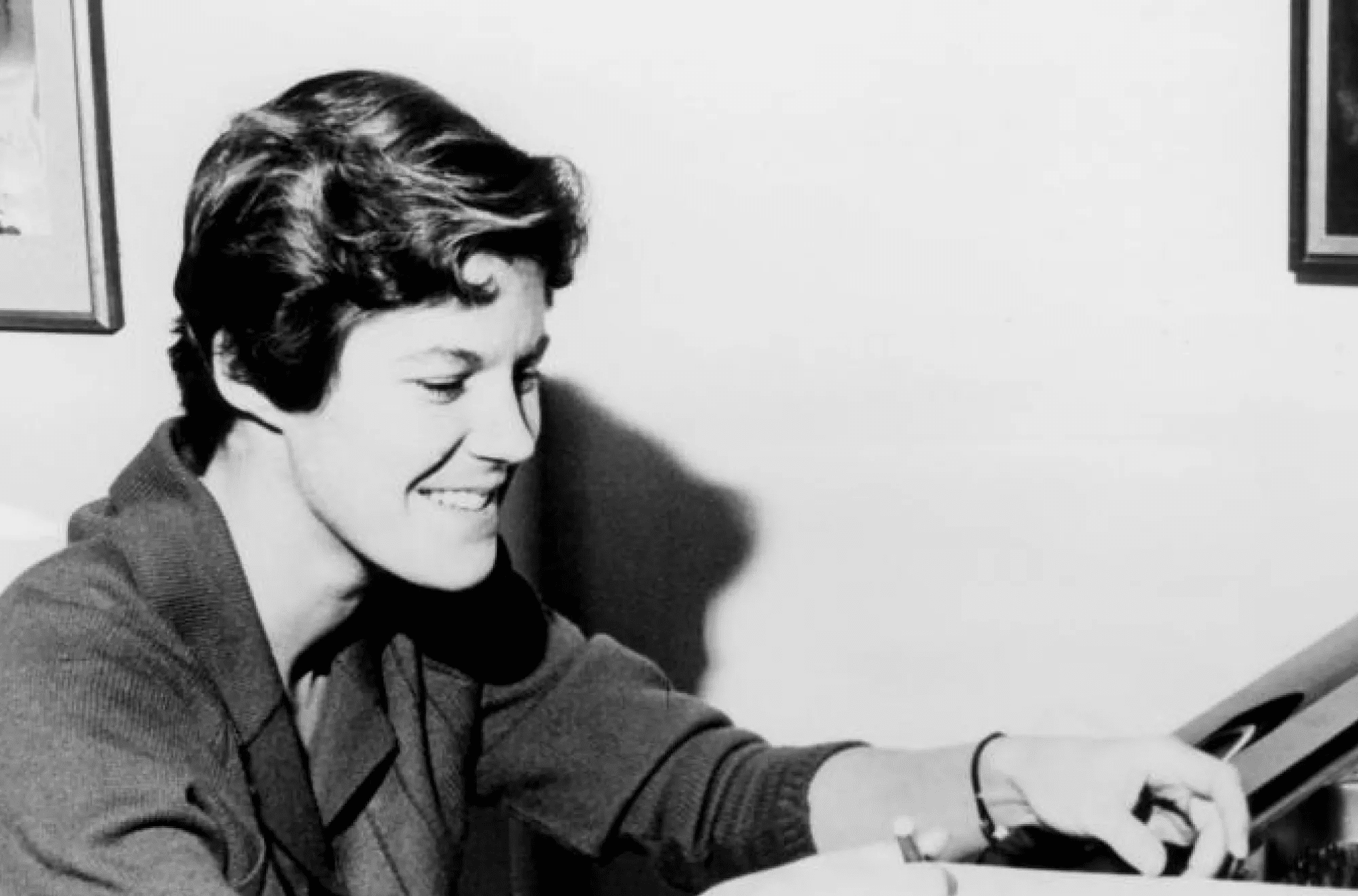

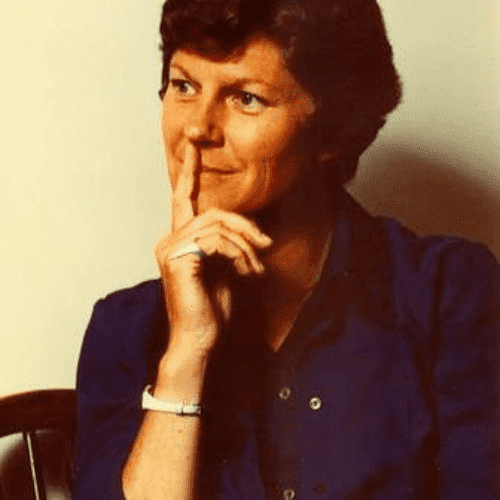
Ann Southam was an extraordinary composer and renowned educator, born in Winnipeg on February 4, 1937. Known for earning a Licentiate diploma in 1963, Southam’s early interests were in visual arts, but she ultimately decided to pursue a life in composition. This realization came at age 15 after attending a summer music camp at Banff School (now The Banff Centre). Read more on itoronto.
Ann Southam’s Education and Early Works
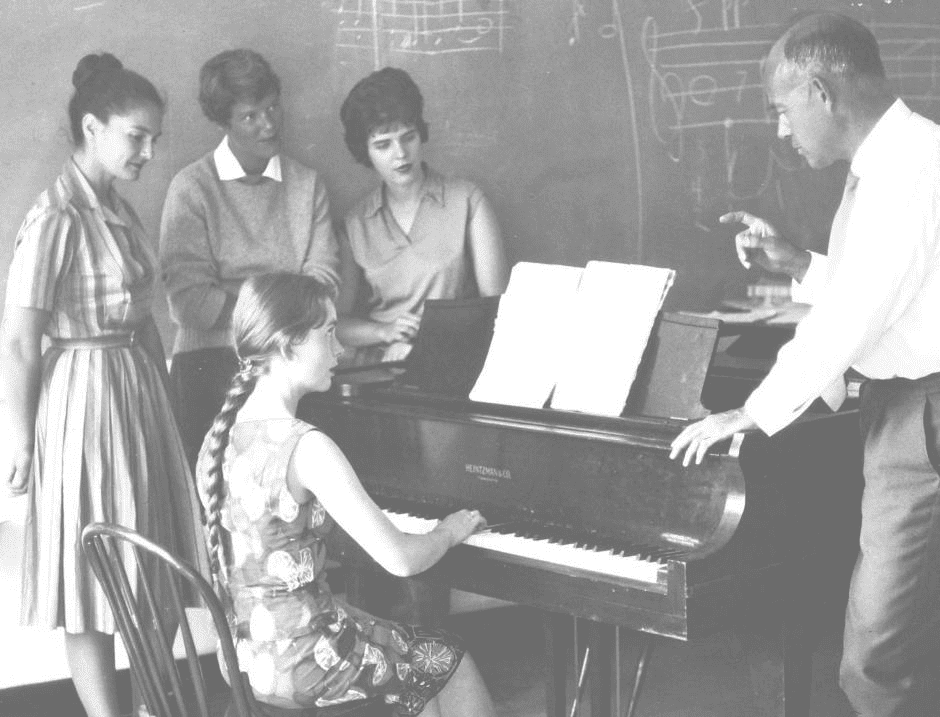
Southam studied composition under Samuel Dolin at the Royal Conservatory of Music and piano under Pierre Souvairan. She also explored electronic music with Gustav Ciamaga at the University of Toronto from 1960 to 1963. After completing her education, Southam began teaching at the Royal Conservatory of Music in 1966. In 1967, she collaborated with the New Dance Group of Canada (now Toronto Dance Theatre) and became their resident composer a year later. Southam composed numerous electronic scores for this company and other dance groups and choreographers. In 1977, she co-founded Music Inter Alia with Diana McIntosh to promote contemporary music concerts in Winnipeg, a venture that continued until 1991.
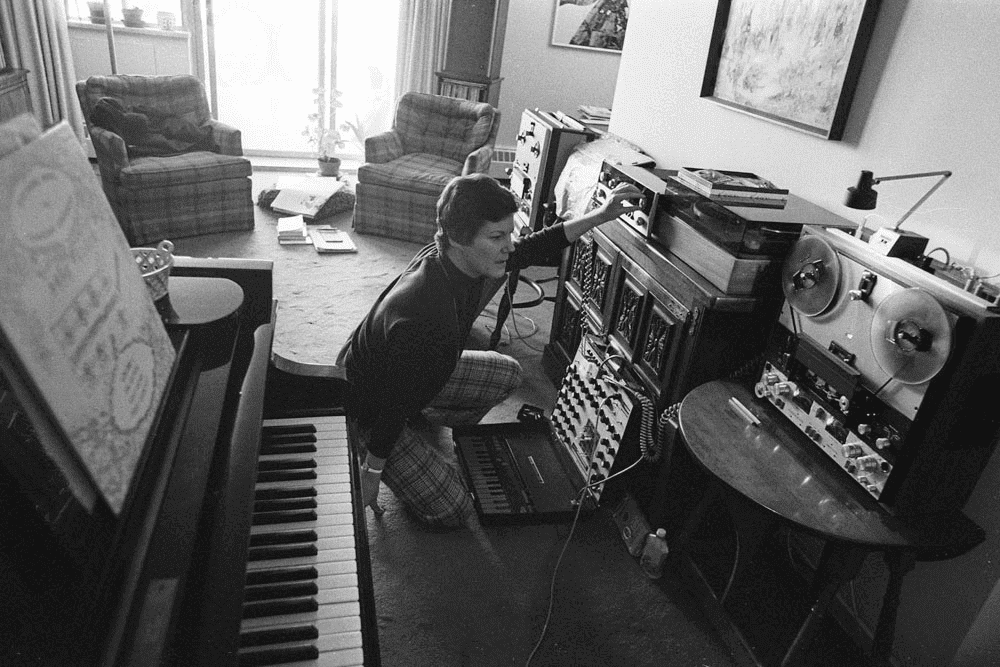
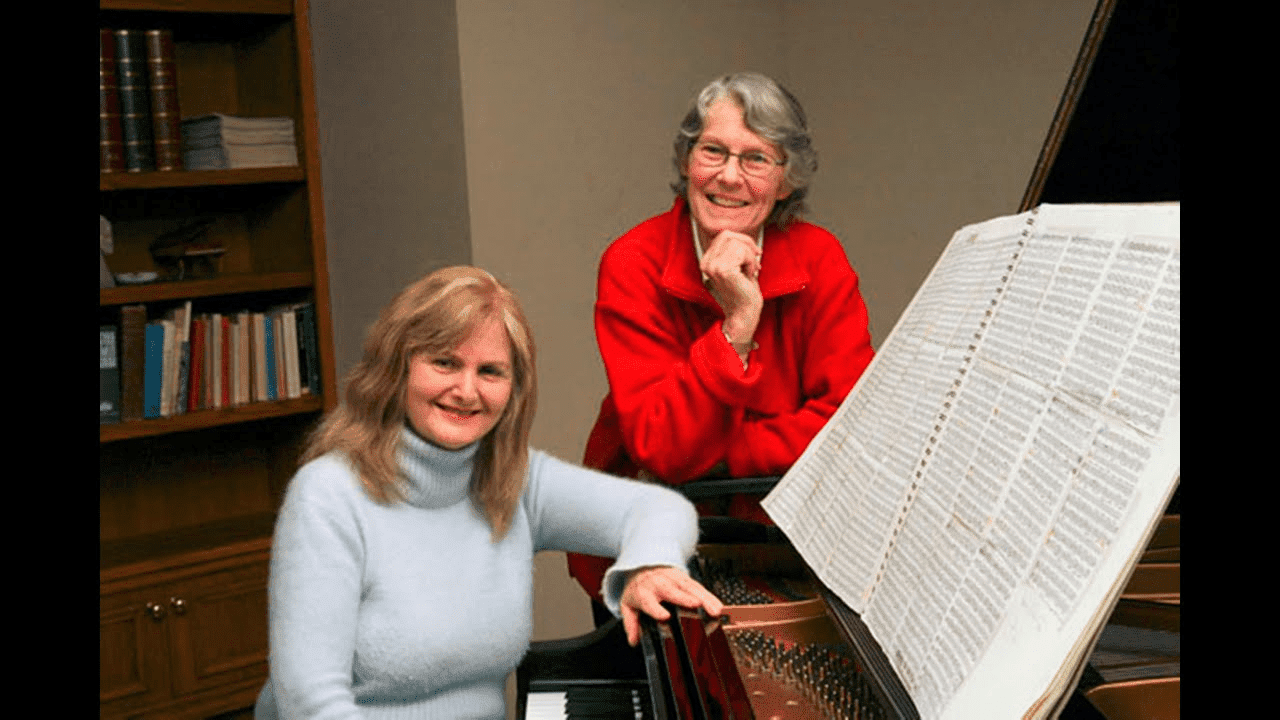
Her early works were written in a Romantic style, primarily expressive music influenced by the 19th century. By the 1980s, Southam began moving away from electronic music and developed a keen interest in American minimalists like Terry Riley and Steve Reich. For instance, Glass Houses (1981) comprises short tonal units that combine and recombine to create an overarching sense of lyricism. Around this time, Southam formed a significant professional partnership with pianist Christina Petrowska Quilico, who recorded demo versions of Glass Houses and Rivers (1979–1981, revised 2004). This collaboration inspired Southam to compose more works for acoustic instruments. In 1988, she wrote Throughways for chamber orchestra without electronic elements, which premiered on November 9, 1989, at The Music Gallery with the Hemispheres Orchestra.
Collaborations and Career Growth
During the 1990s, Southam abandoned electroacoustic music entirely, producing instrumental works like Song of the Varied Thrush (1991) for string quartet, Webster’s Spin (1993) for string orchestra (commissioned by the CBC and premiered by the Manitoba Chamber Orchestra on March 22, 1994), and Full Circles (1996, revised 2005) for Arraymusic. She later collaborated with pianist Eve Egoyan, who premiered several works, including Qualities of Consonance (1998), Figures (2001) with the Toronto Symphony Orchestra at Massey Hall on November 22, 2001, In Retrospect (2004), and Simple Lines of Inquiry (2008), performed at Toronto’s Enwave Theatre on May 30, 2009.
The Manitoba Chamber Orchestra premiered Music for Strings on September 20, 2000. In July 2006, Angela Pickett, Teresa Doyle, and Kate Pool performed an acoustic version of Re-Tuning in St. John’s. Christina Petrowska Quilico gave a complete performance of Rivers in May 2005 at The Music Gallery in Toronto, and Southam’s Pond Life for solo piano premiered at the 2008 Sound Symposium in St. John’s.
Lyricism in Southam’s Compositions
Southam’s early works, particularly for piano, are lyrical yet atonal compositions. Lyricism remains a defining element in her later electronic scores and works like Counterparts for orchestra and magnetic tape, and CounterPlay, commissioned by the CBC for string quartet and tape. Her orchestral work Waves (based on electronic waveforms) was commissioned and premiered on April 1, 1976, by the Toronto Repertory Orchestra. Despite an element of aleatory music in her style, Southam achieved controlled effects, alternating long lyrical lines with abrupt staccato phrases interrupted by silences.
Southam’s return to acoustic music stemmed partly from her interest in the physicality of performance. Four-Hand (1981), composed for pianists Jane Blackstone and Ruth Kazdan, is a one-movement piano duet that employs free twelve-tone harmony and motifs leading to a concluding D major chord. The piece exemplifies her commitment to reconciling twelve-tone techniques with traditional practices. However, Re-Tuning (1985) signaled a shift, featuring 25 modular sections that repeat and flow seamlessly with an electronic drone, influenced significantly by Southam’s collaboration with Rivka Golani.
Feminist Elements in Ann Southam’s Work
Ann Southam was one of Canada’s most prominent female composers. Emerging in the 1960s—a time when women were only beginning to gain recognition in music composition—she became a leading figure in electronic music, a field still in its infancy. Southam was at the forefront of a generation that profoundly reshaped Canada’s contemporary music landscape. A vocal and committed feminist, she incorporated her advocacy into her music. In Musicworks (#101, Summer 2008), Eve Egoyan and Gayle Young observed Southam’s connection between composition or piano performance and manual work, such as weaving, reflecting traditional women’s labour as repetitive, essential, and requiring time and patience—all infused with an undercurrent of inquiry.
Memberships and Recognition
Southam was a founding member of the Canadian League of Composers, serving as its first president (1980–1988), a lifetime member (since 2002), and honorary president (2007) of the Association of Canadian Women Composers. She actively sponsored new music initiatives, including the Excentricities concert (1998), featuring women composers, and workshops for young composers hosted by Arraymusic and Continuum Contemporary Music. Southam was also a collaborator with the Canadian Music Centre, which named its Digital Audio Archive after her.
In 2002, she received the Friends of Canadian Music Award. She was appointed a Member of the Order of Canada in 2010. A forthcoming book about Southam’s life and work, spearheaded by Christina Petrowska Quilico and composer Constantine Caravassilis, was announced in 2011. Ann Southam passed away in Toronto on November 25, 2010.