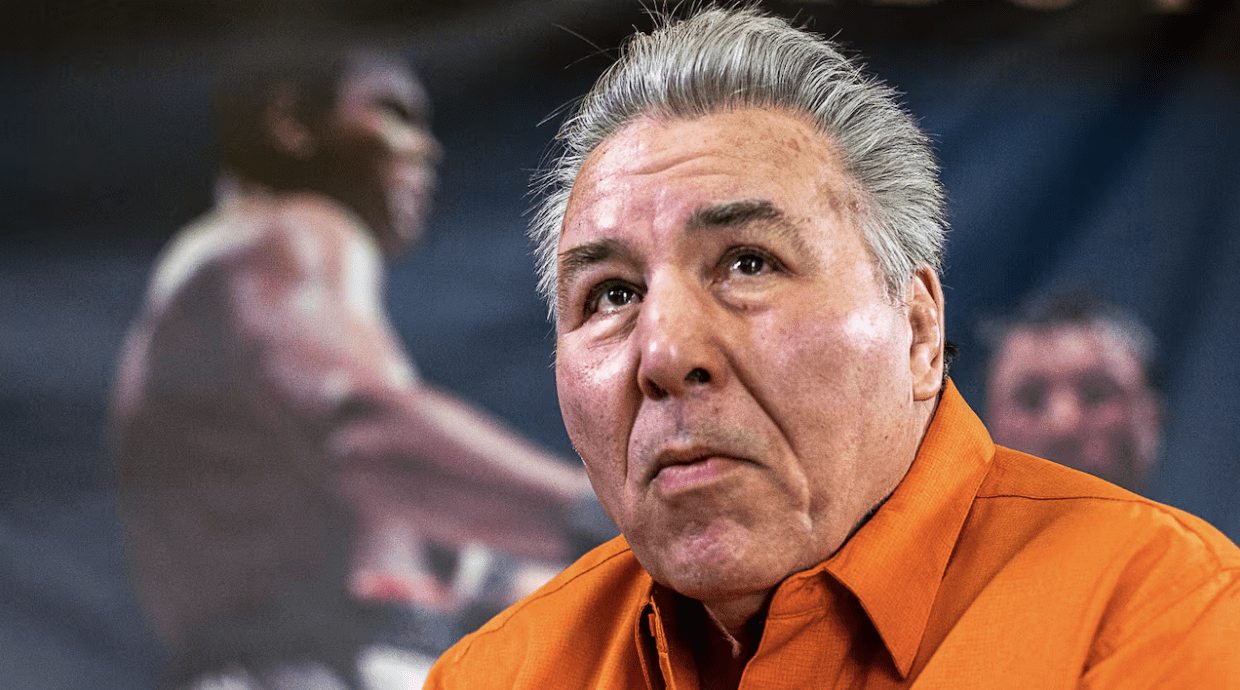

George Chuvalo is a legendary three-time Canadian heavyweight boxer known worldwide for his resilience and fighting spirit. He gained widespread recognition for his 15-round match against heavyweight champion Muhammad Ali on March 29, 1966, at Maple Leaf Gardens in Toronto. After the fight, Ali famously remarked that Chuvalo was “the toughest guy I ever fought.” Chuvalo retired with an impressive record of 73 wins, 18 losses, and 2 draws, including 64 knockouts. Beyond boxing, he became an advocate against drug abuse after losing two sons to overdoses and his wife and another son to suicide. A Member of the Order of Canada and the Order of Ontario, Chuvalo has been inducted into the Canadian Sports Hall of Fame, the World Boxing Hall of Fame, the Ontario Sports Hall of Fame, and Canada’s Walk of Fame. Read more on itoronto.
Family and Early Passion for Boxing
George Chuvalo was born on September 12, 1937, in Toronto to Croatian immigrants Stipan and Katica Chuvalo. He grew up in the working-class Junction neighborhood. His father worked at a meatpacking plant, and his mother plucked chickens to make ends meet. Despite their modest means, Chuvalo developed a passion for boxing early on, training at the nearby St. Mary’s Polish Roman Catholic Church and later at the Earlscourt Athletic Club.
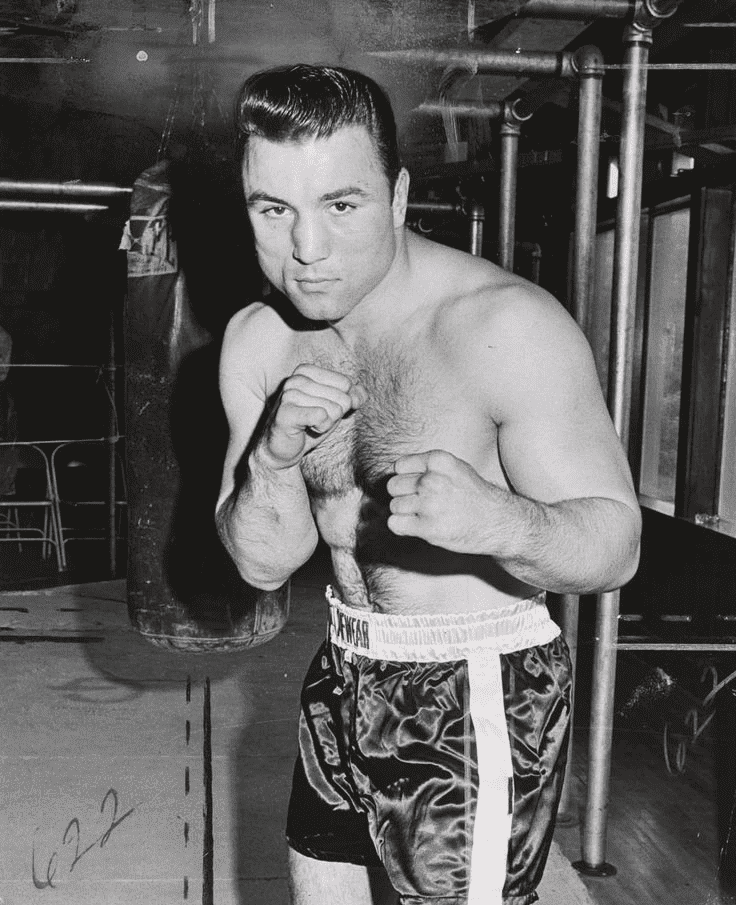
Chuvalo’s natural talent and indomitable spirit were evident from the start. As a teenager, he demonstrated a powerful punch that became his trademark. As an amateur, he won 12 out of 18 bouts by knockout within the first four rounds. At just 17, Chuvalo won the Canadian amateur heavyweight title by knocking out Peter Piper in the first round during a tournament in Regina, Saskatchewan. Although offered a chance to represent Canada in the Olympics, he turned professional to support his family.
Professional Career Beginnings
Chuvalo made his professional debut on April 24, 1956, in a knockout tournament sponsored by former heavyweight champion Jack Dempsey. That evening, Chuvalo fought four bouts, winning all by knockout in a combined time of 12 minutes and 36 seconds.
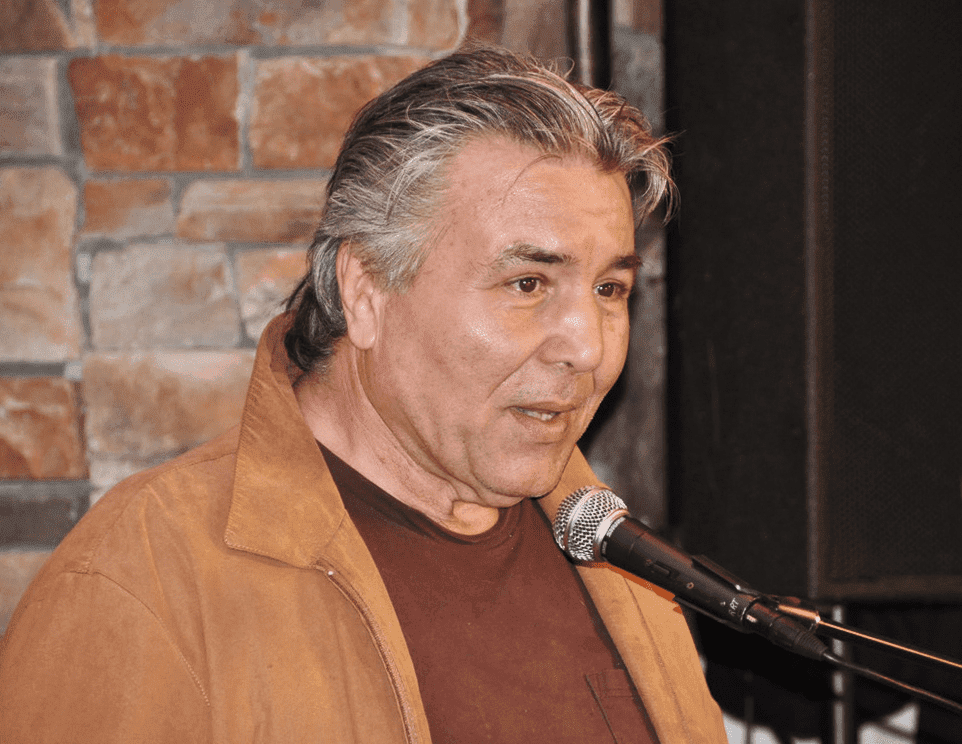
On September 15, 1958, Chuvalo became Canada’s heavyweight champion at the age of 19, knocking out James J. Parker in the first round at Maple Leaf Gardens. He defended his title with a notable victory over boxing icon Yvon Durelle.
Chuvalo temporarily left boxing after losing his title in 1960 and briefly worked in car sales. However, he returned to the ring two years later and reclaimed the Canadian heavyweight title in 1964 by knocking out Hugh Mercier in Regina. He held the title for 14 years, retiring in 1978 at the age of 41 after a final match in Toronto’s St. Lawrence Market.
Iconic Fights and Notable Opponents
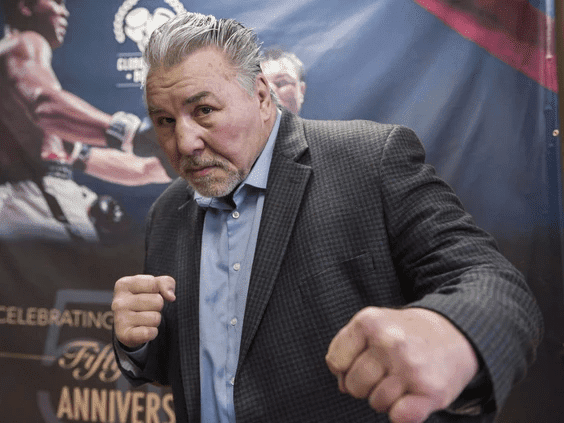
Chuvalo’s growing reputation in Canada earned him opportunities to face some of boxing’s greatest legends, including five world champions. On February 1, 1965, Chuvalo fought Floyd Patterson at Madison Square Garden in New York. The 12-round bout earned “Fight of the Year” honors from The Ring magazine, with Patterson declared the winner by decision.
In November 1965, Chuvalo faced WBA heavyweight champion Ernie Terrell in Toronto’s Maple Leaf Gardens. Despite losing by decision, Chuvalo’s most famous fight came on March 29, 1966, against Muhammad Ali. The 15-round slugfest cemented Chuvalo’s legacy as a fan favorite and earned him hero status, even though Ali won by decision.
Chuvalo faced Ali again in a 1972 rematch in Vancouver, with the bout once again lasting all scheduled rounds. His list of legendary opponents also included heavyweight champions George Foreman and Joe Frazier. However, Chuvalo often cited his 1968 victory against Manuel Ramos at Madison Square Garden as the most memorable fight of his career, winning by a fifth-round knockout.
Family Tragedies and Advocacy Work
After retiring from boxing, Chuvalo endured a series of personal tragedies. His youngest son, Jesse, became addicted to heroin after a motorcycle accident and took his own life in 1985 at the age of 20. His older sons, George Lee and Steven, also struggled with heroin addiction and petty crime. George Lee died of an overdose in 1993, followed shortly after by Chuvalo’s wife, Lynne, who succumbed to a prescription drug overdose. In 1996, Steven died of a heroin overdose at the age of 35. Chuvalo also lost his granddaughter, Rachel, to cancer in 2013.
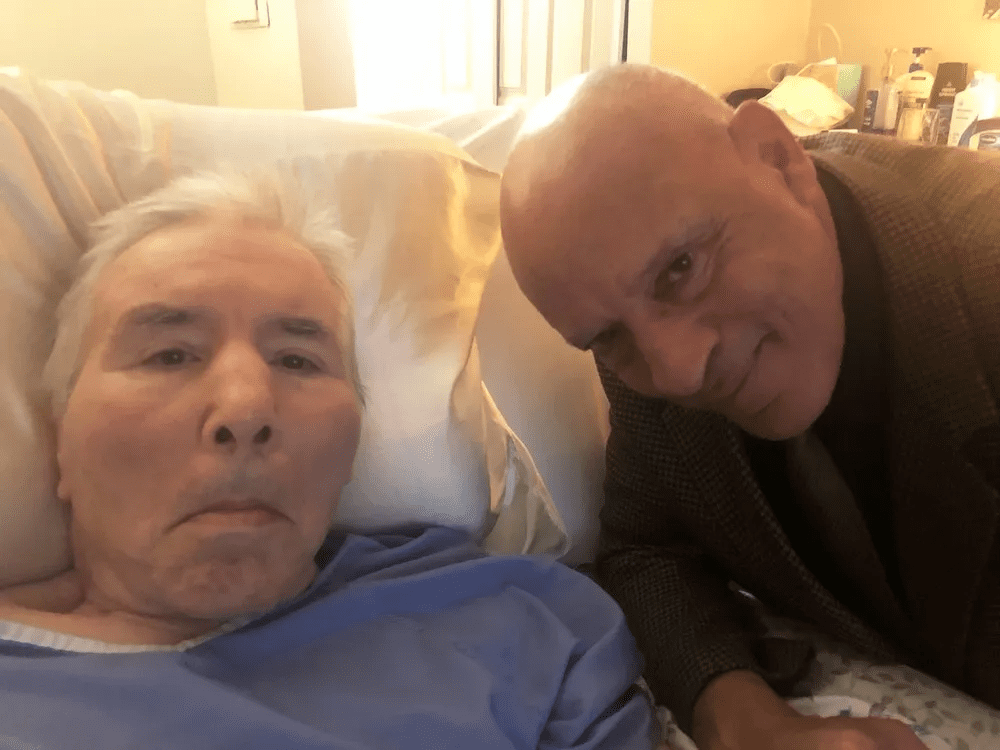
Witnessing the devastating impact of drugs, Chuvalo became a passionate advocate against substance abuse. Through his “Fight Against Drugs” program, he delivered over 1,000 presentations to students and youth groups across Canada, raising awareness about the dangers of drug addiction.
Achievements
In 1998, Chuvalo was appointed a Member of the Order of Canada for his strength and resilience in the face of personal tragedies and for his contributions to the sport of boxing. In 2011, a life-sized statue of Chuvalo was unveiled in Ljubuški, Bosnia and Herzegovina. During the ceremony, Chuvalo attributed his success in boxing to his short neck and “head made of Herzegovinian stone.”
Sources: