

Toronto is one of the most comfortable cities for living in Canada thanks to the developed road infrastructure in particular. One of the most convenient types of transport is a bicycle. It is ideal for commuting, meeting, studying or walking around the city. Compared to cars, the number of bicycles in Toronto has been steadily increasing over the past few centuries, as well as their demand. Learn more about how the cycling culture developed in the city and how it became so popular at itoronto.
When did Torontonians start cycling and how did the road infrastructure change?
The penny-farthing, the first kind of bicycle also known as a high wheeler, appeared in Canada in the late 1880s. It was a real sensation that marked the beginning of technical progress. A few years later, that wheeling technology was mastered and the world learned about a generation of safe bicycles with two identical wheels. They started to be produced in many cities, including Toronto.
Interestingly, local residents started using bicycles much earlier than cars. In the 1890s, Toronto experienced the bicycle boom. They quickly became a popular form of transportation. There were always a lot of cyclists on the roads, riding alongside pedestrians and trams. Subsequently, there were some arguments over whether the city government should create separate lanes for cyclists or safer road conditions for both drivers and cyclists.
However, when the first cars appeared in Toronto in 1920, the demand for bicycles temporarily declined. The situation changed only in 1950 when the number of cyclists increased from 200 people to 1000. Since then, their number has been constantly increasing in Toronto. The reason was the public’s concern addressed to the authorities regarding the increased level of air pollution from car exhaust fumes.
In 1975, the Cycling Committee was established in Toronto to promote safe cycling and implement initiatives for the development of bicycle infrastructure. Among its members were bicycle traffic defenders, City Council representatives and volunteers.
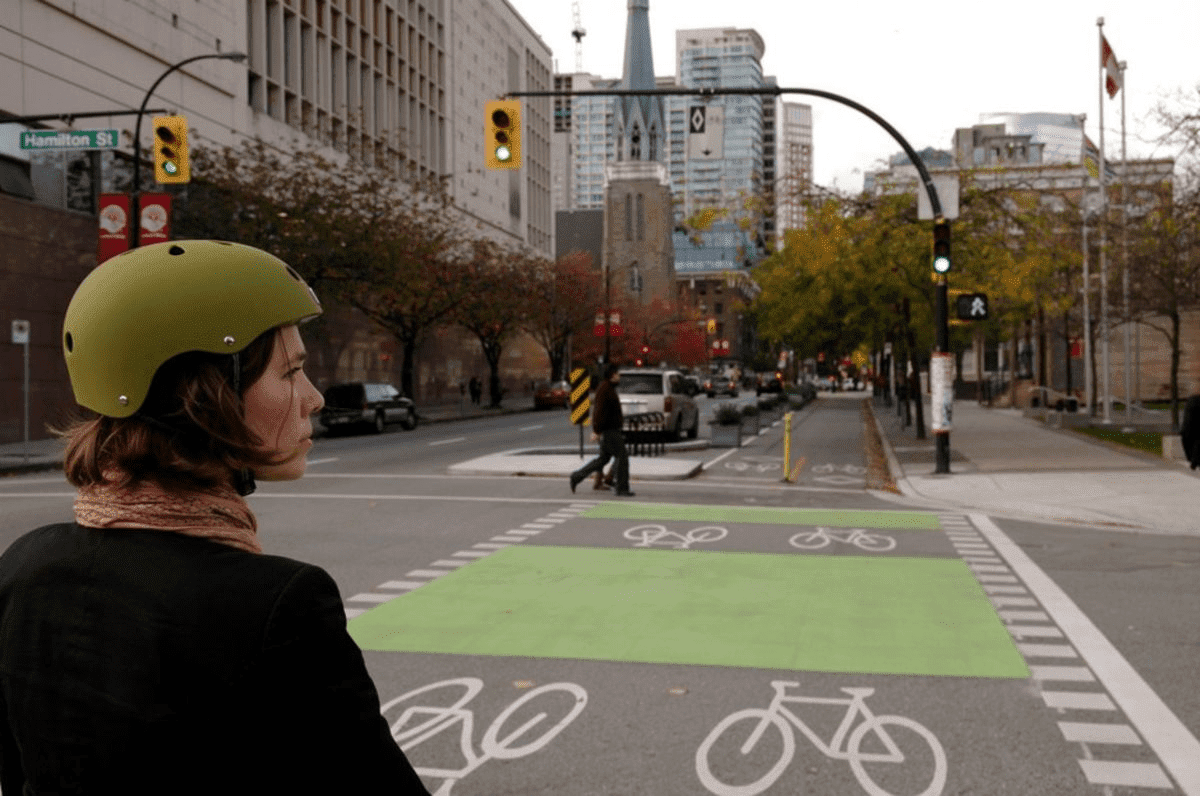
Four years after that, the first bike lane was built on Poplar Plains Road. Then the city got a whole network of bicycle paths. For example, in 1998, the eastern and northern parts of the city, as well as the districts of Scarborough and Etobicoke, were united specifically for this purpose. Also, the Toronto Cycling Committee initiated the expansion of sidewalks, planting of trees, installation of memorial plaques and creation of new bicycle paths.
In 2001, 35 km of lanes for cyclists appeared in the city. In the same year, a bicycle infrastructure development plan was approved to increase the number of bicycles on the roads and, at the same time, reduce the number of accidents and injuries. Then the city started the implementation of that plan.
A bicycle rental service called BIXI Toronto appeared in Toronto in 2011. It provided the opportunity to rent 1,000 bicycles at 80 locations in the city centre. The new service quickly became popular. People could quickly get to work, school or any other place conveniently and at an affordable price.
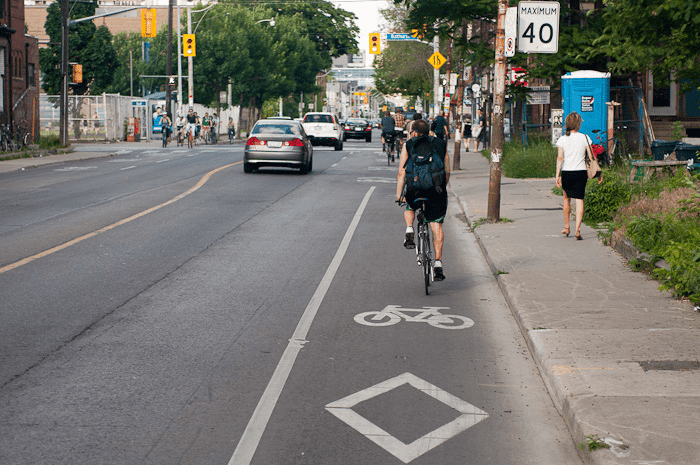
By mid-2014, only 114 km of bicycle lanes had been laid on roads. Since the 2020s, their length is 579 km. Thus, the number of cyclists increased too. Many of them promoted cycling in schools and at social events.
Following the implementation of the Toronto bicycle infrastructure development plan of 2001, City Council will approve some other plans for the next 10 years.
Interesting facts about the city’s bicycle network
- Can-bite cycling courses are available in Toronto. They are designed to teach novice cyclists all the practical rules of safe riding on the roads. Also, there are many organisations involved in the repair of this form of transport.
- In 2010, the bicycle rental system was expanded to 6,850 bicycles and 625 stations. It covers more than 200 km² of this city. In 2014, it was renamed Bike Share Toronto.
- All TTC buses have bike racks.
- In Toronto, people are allowed to use bicycles on the subway except during morning and evening rush hours.
- This city has a municipal Cycling Office.