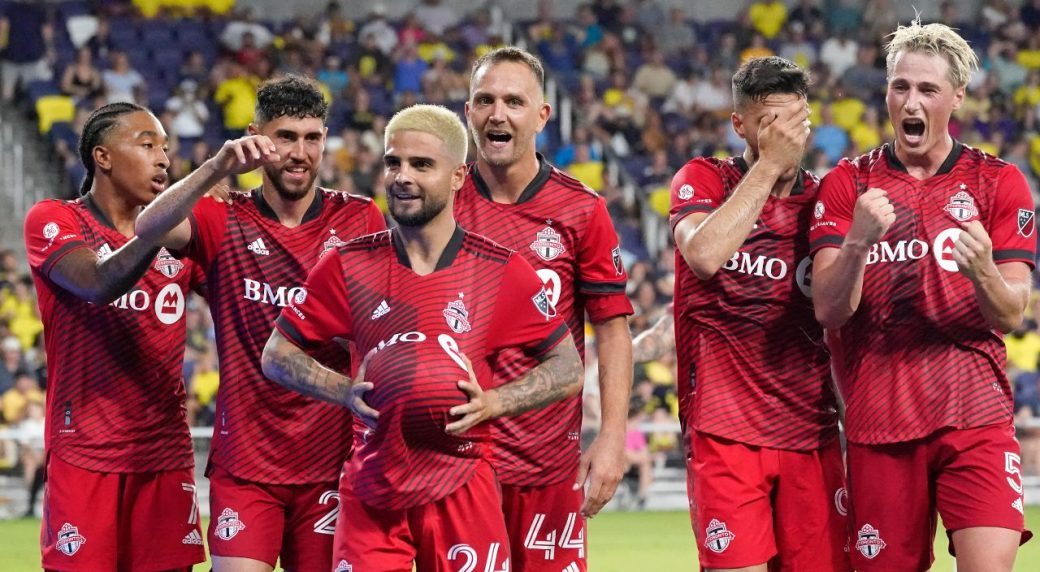

Toronto FC, also known as TFC or “The Reds,” is a professional men’s soccer team competing in Major League Soccer (MLS). Established in 2006 by Maple Leaf Sports & Entertainment, the club has won the Voyageurs Cup seven times (2009–2012, 2016–2018). TFC has reached the MLS playoffs three times (2015, 2016, 2017), becoming the first Canadian team to make it to the MLS Cup Final in 2016 and the first to win the MLS Cup in 2017. The team has participated in the CONCACAF Champions League five times, reaching the final in 2018. Toronto FC is one of three MLS franchises in Canada, alongside CF Montréal and Vancouver Whitecaps FC. Learn more about the history of TFC on itoronto.
Beginnings of Soccer in Toronto
On October 21, 1876, Toronto hosted Canada’s first game of association football. Organized by the Carlton Cricket Club, the match took place on Winchester Street in Cabbagetown, pitting the cricket club against a Toronto lacrosse team. According to The Globe, the match ended in a draw, with “no advantage to either side.”
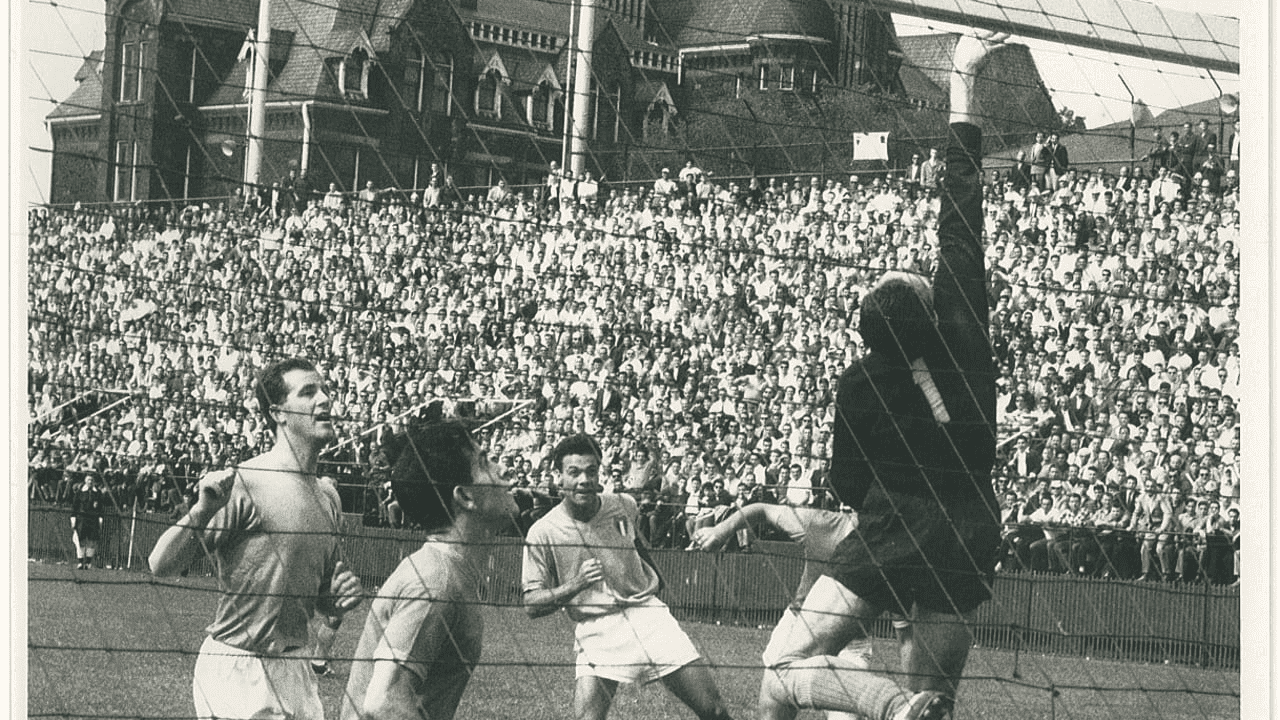
A few months later, on February 21, 1877, the Dominion Football Association, Canada’s first organized soccer association, was established in Toronto. In 1908, a Scotsman named Tom Robertson founded the Toronto and District League (T&D), later serving as its secretary-treasurer. He also helped create the Ontario Football Association and, in 1912, the Dominion of Canada Football Association.
In 1926, the National Soccer League (NSL) was formed as a semi-professional circuit with teams from Southern Ontario and several Montreal clubs. Toronto teams dominated, with Toronto Ulster United winning three consecutive championships from 1932 to 1934. The NSL, which continues today as the Canadian Soccer League, helped solidify the sport’s local roots.
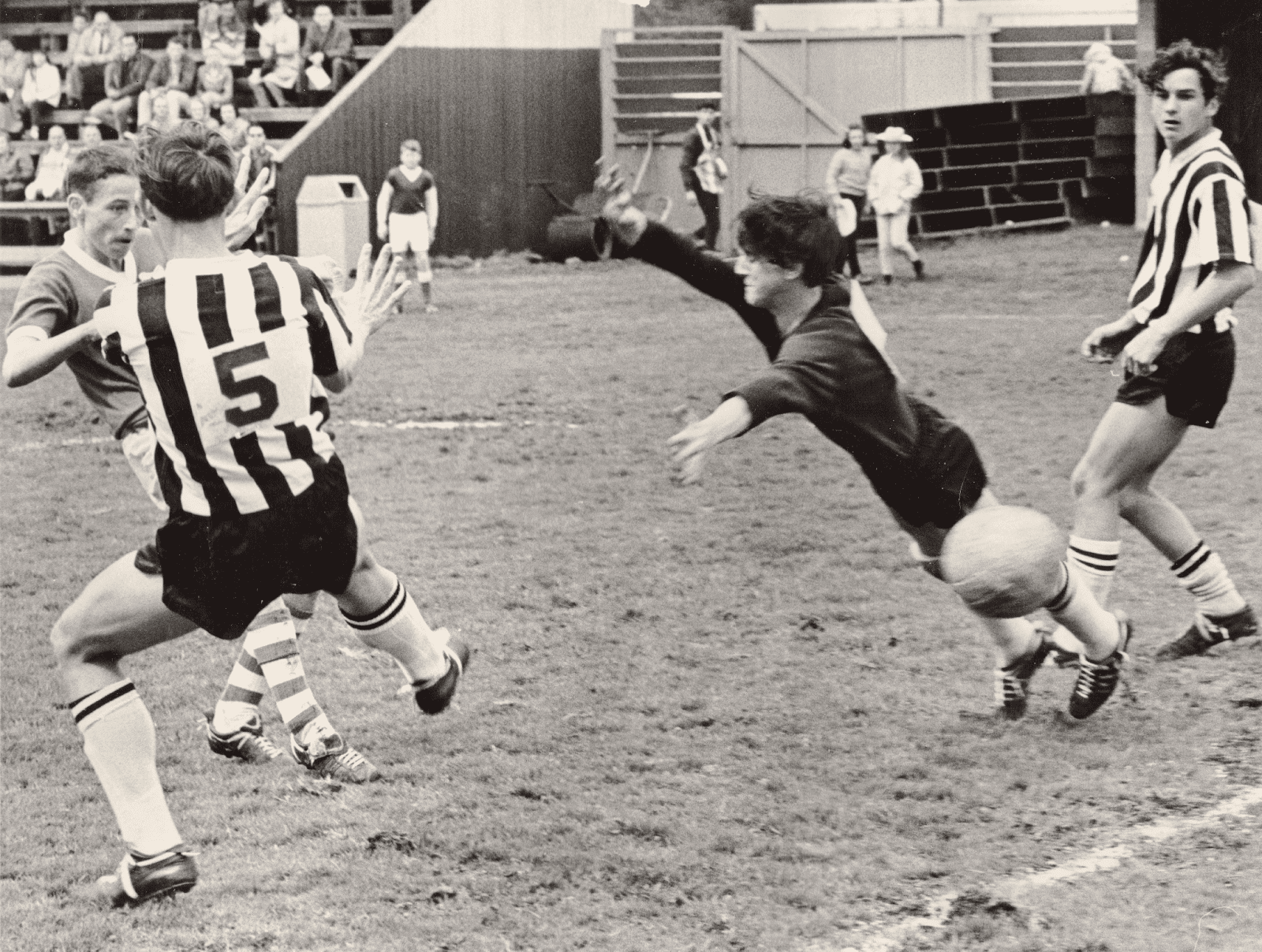
Another league, the Eastern Canada Professional Soccer League (ECPSL), was founded in 1961, featuring four teams: Hamilton Steelers, Montreal Cantalia, Toronto Italia, and Toronto City. Toronto City gained attention by bringing renowned English players such as Sir Stanley Matthews, Danny Blanchflower, and Johnny Haynes to play during the summer. The league’s final season occurred in 1966.
The Emergence of New Leagues and TFC’s Success
In 1967, two new leagues emerged: the United Soccer Association (USA) and the National Professional Soccer League (NPSL). Toronto was represented in both, with Toronto City in the USA and Toronto Falcons in the NPSL. Neither league thrived, and they merged in 1968 to form the North American Soccer League (NASL). The Falcons folded after just one season due to financial difficulties.
In 1971, Toronto Metros joined the NASL, achieving their best season in 1973 by topping their division and reaching the playoffs. In 1975, half of the team’s ownership was sold to Toronto Croatia, creating Toronto Metros-Croatia. The club won the NASL Soccer Bowl in 1976, aided by Portuguese legend Eusébio. However, financial struggles persisted, and the team rebranded as Toronto Blizzard in 1978. The Blizzard reached the Soccer Bowl in 1983 and 1984 but lost both finals. After NASL folded in 1984, the Blizzard joined the Canadian Soccer League (CSL) in 1987 but ceased operations six years later.
Toronto Lynx filled the gap in 1997, joining the A-League, later renamed the USL First Division. Ahead of TFC’s arrival, the Lynx transitioned to the USL Premier Development League in 2006. Today, the rebranded Oakville Blue Devils compete in League1 Ontario. Many Canadian soccer talents, including Dwayne De Rosario, Atiba Hutchinson, and Nichelle Prince, have played for the Lynx.
The Founding of Toronto FC
Major League Soccer (MLS), North America’s premier men’s soccer league, was founded in 1993 following the success of the 1994 FIFA World Cup in the U.S. Despite initial challenges, MLS grew in the mid-2000s, spurred by the U.S. Men’s National Team’s performance in the 2002 World Cup.
In October 2005, Maple Leaf Sports & Entertainment (MLSE) president Richard Peddie announced Toronto’s entry into MLS, marking the league’s first Canadian franchise. The franchise fee was reported to be $10 million, and MLSE planned to build a new stadium at Exhibition Place for the 2007 season. On May 11, 2006, MLSE Chairman Larry Tanenbaum revealed the team’s name: Toronto FC. The choice reflected a desire to align with European soccer traditions, where “FC” (Football Club) is common, as seen with FC Barcelona and Liverpool FC.
Toronto FC signed its first player, Canadian defender Jim Brennan, on September 8, 2006. Brennan became the team’s inaugural captain. English striker Danny Dichio scored TFC’s first regular-season goal on May 12, 2007, during a 3–1 victory over the Chicago Fire at BMO Field. Fans continue to celebrate Dichio’s goal by singing his chant during the 24th minute of every home game.
Despite finishing last in their inaugural season, TFC’s average attendance of 20,130 per game established a loyal fan base that endures through challenges on the field.
Toronto FC’s Fan Culture
When TFC joined MLS in 2007, the league was perceived as family-oriented, with modest attendance and subdued atmospheres. Toronto FC helped change this perception by creating an intimate soccer-specific stadium with sections dedicated to passionate supporters.
Fans from Toronto’s multicultural community—representing Italian, Portuguese, Caribbean, British, and Brazilian backgrounds—came together to support the team. Supporter groups like Kings in the North, U-Sector, Inebriatti, Tribal Rhythm Nation, and Red Patch Boys bring unique energy with drums, chants, flags, and choreographed displays.
Toronto FC has not only shaped the city’s soccer legacy but also fostered a vibrant fan culture that reflects Toronto’s diversity and passion for the sport.