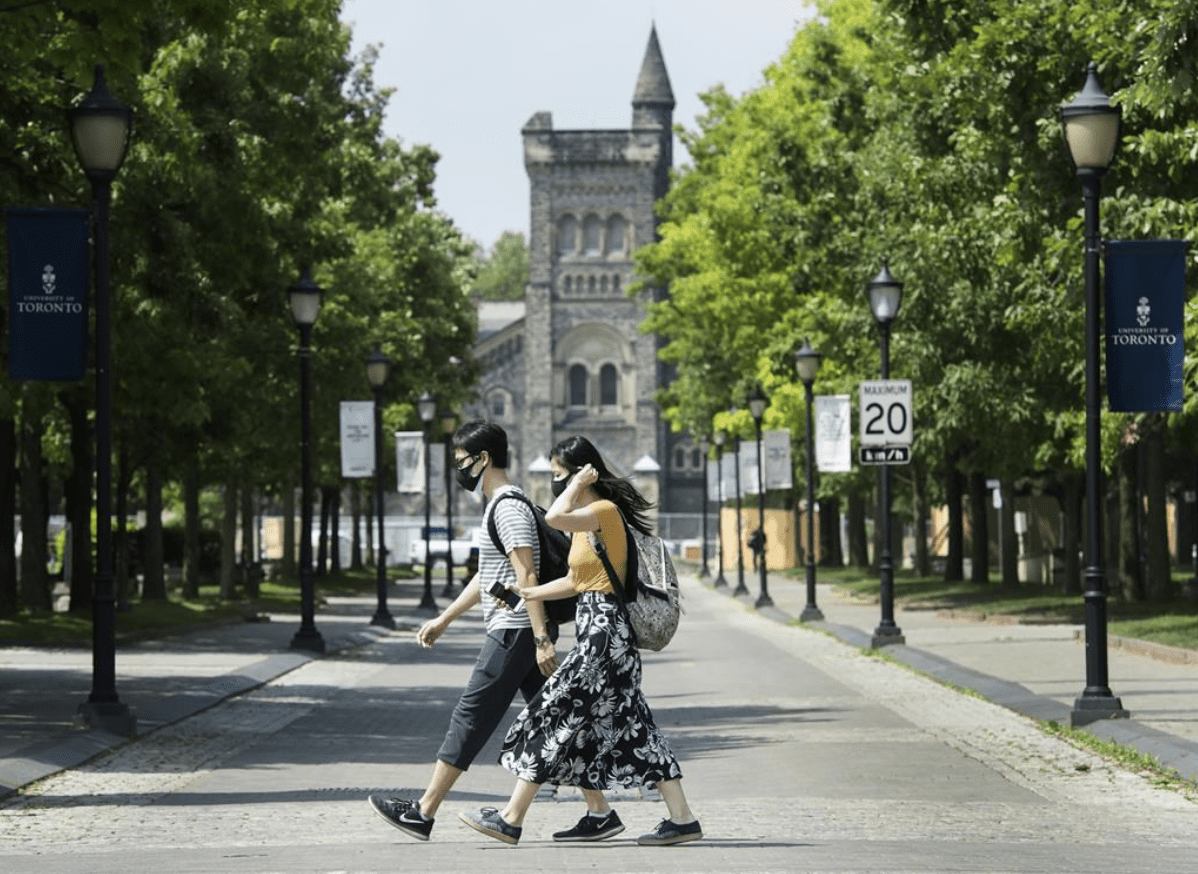

As of 2024, Toronto residents are still feeling the effects of the devastating COVID-19 pandemic. After more than four years of challenges and widespread consequences, the city continues to reflect on its experience with the virus. This article examines the changes Toronto has undergone in its fight against COVID-19. Learn more at itoronto.info.
The Onset of COVID-19 in Toronto
On January 25, 2020, the first case of COVID-19 in Canada was identified at Sunnybrook Health Sciences Centre in Toronto. The patient initially presented with fever and respiratory symptoms, which later tested positive for COVID-19.
On March 17, 2020, the Ontario government declared its first state of emergency. Subsequently, Toronto Mayor John Tory declared a local state of emergency on March 23. Early restrictions, including the closure of indoor dining and personal care services, remained in place until June 24, 2020, when Ontario allowed Toronto to move into Phase 2 of reopening. Mask mandates in all indoor public spaces were introduced on July 7, and by July 31, the city progressed to Phase 3.
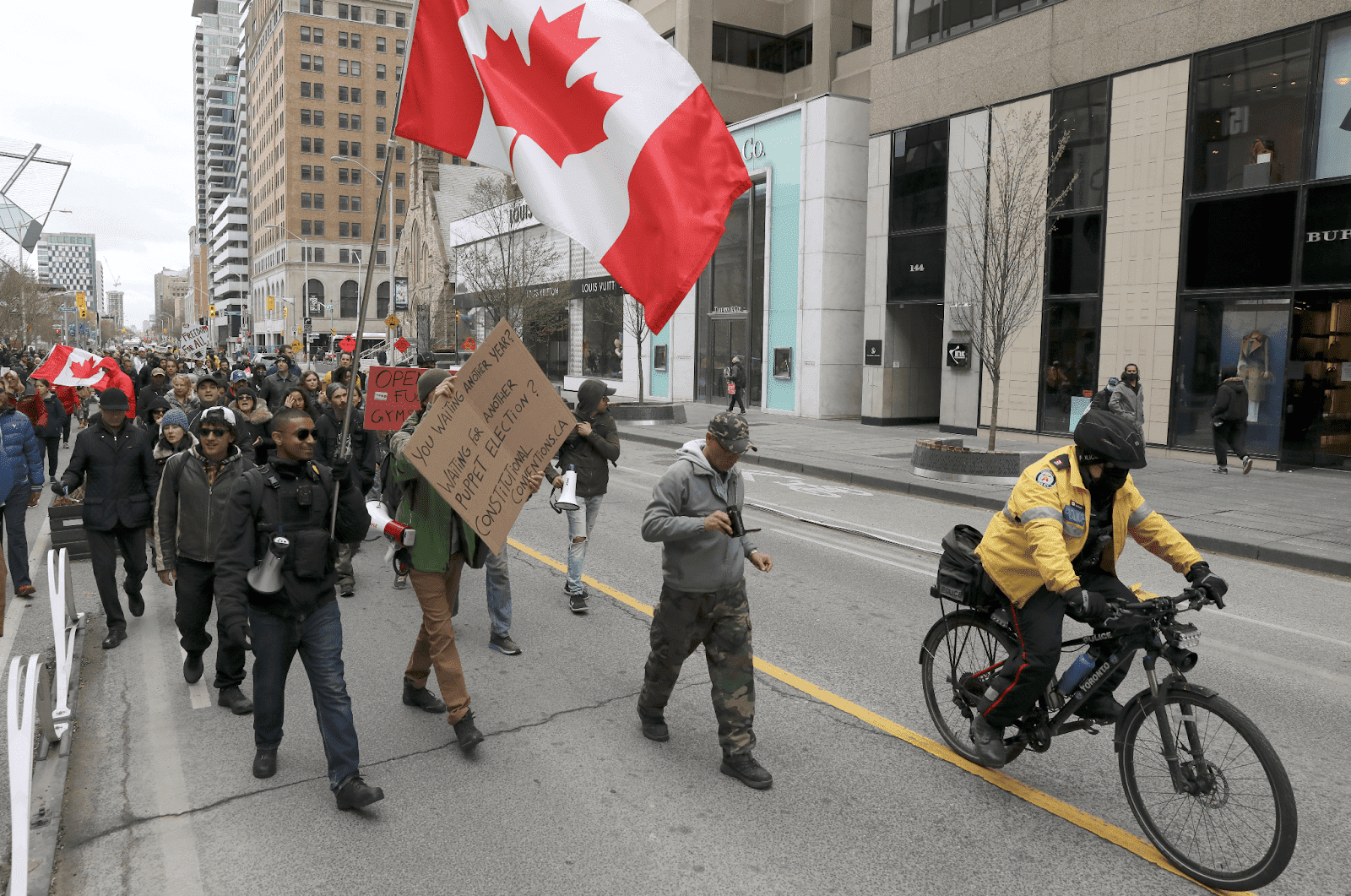
While new cases briefly declined, with only 246 recorded in August 2020, numbers began rising again late that summer. Areas such as Peel Region, York Region, and Ottawa, along with Toronto, faced renewed restrictions as the virus resurged. By early October 2020, Toronto Public Health reported a surge in cases, reaching capacity limits. On November 23, 2020, entry to Toronto was restricted, followed by broader limitations within Ontario. A second state of emergency was declared, urging residents to stay home.
In April 2021, following a spike in cases fueled by more aggressive SARS-CoV-2 variants, the city entered a shutdown. By December 2020, Health Canada had approved Pfizer-BioNTech and mRNA-1273 vaccines, marking a turning point in pandemic management.
Economic Impact and Remote Work
The transition to hybrid work models during the pandemic significantly altered Toronto’s economy and workforce. A report titled “Remote Work: Urban Panacea or Curse?” highlighted the challenges faced by Toronto as office workers shifted to hybrid work arrangements.
Office activity in Toronto’s downtown core plummeted to 12% in March 2022, gradually rising to 43% a year later and 63% by March 2024. These figures remain well below pre-pandemic levels, reflected in high office vacancy rates. However, hybrid work offers opportunities to repurpose some office spaces for housing or other uses, particularly amidst Toronto’s ongoing housing affordability crisis. The city is exploring ways to enhance downtown amenities and attractions for residents and tourists alike.

While office activity is recovering, Toronto continues to analyze trends to shape its future. Transit ridership and job numbers in the downtown core are steadily increasing. Moreover, Toronto offers greater access to remote and hybrid work opportunities compared to other Ontario cities, according to Vicinity Jobs, a Canadian employment data firm.
Vaccination in 2024-2025
Health Canada announced the recall of all XBB COVID-19 vaccines across Canada, effective September 1, 2024, as part of preparations for the 2024-2025 respiratory illness season. The recall aligns with regulatory processes to approve KP.2 vaccines from Pfizer and Moderna. The updated KP.2 vaccines are expected to roll out in October 2024. Once available, individuals aged six months and older are encouraged to consider vaccination, especially those at higher risk.
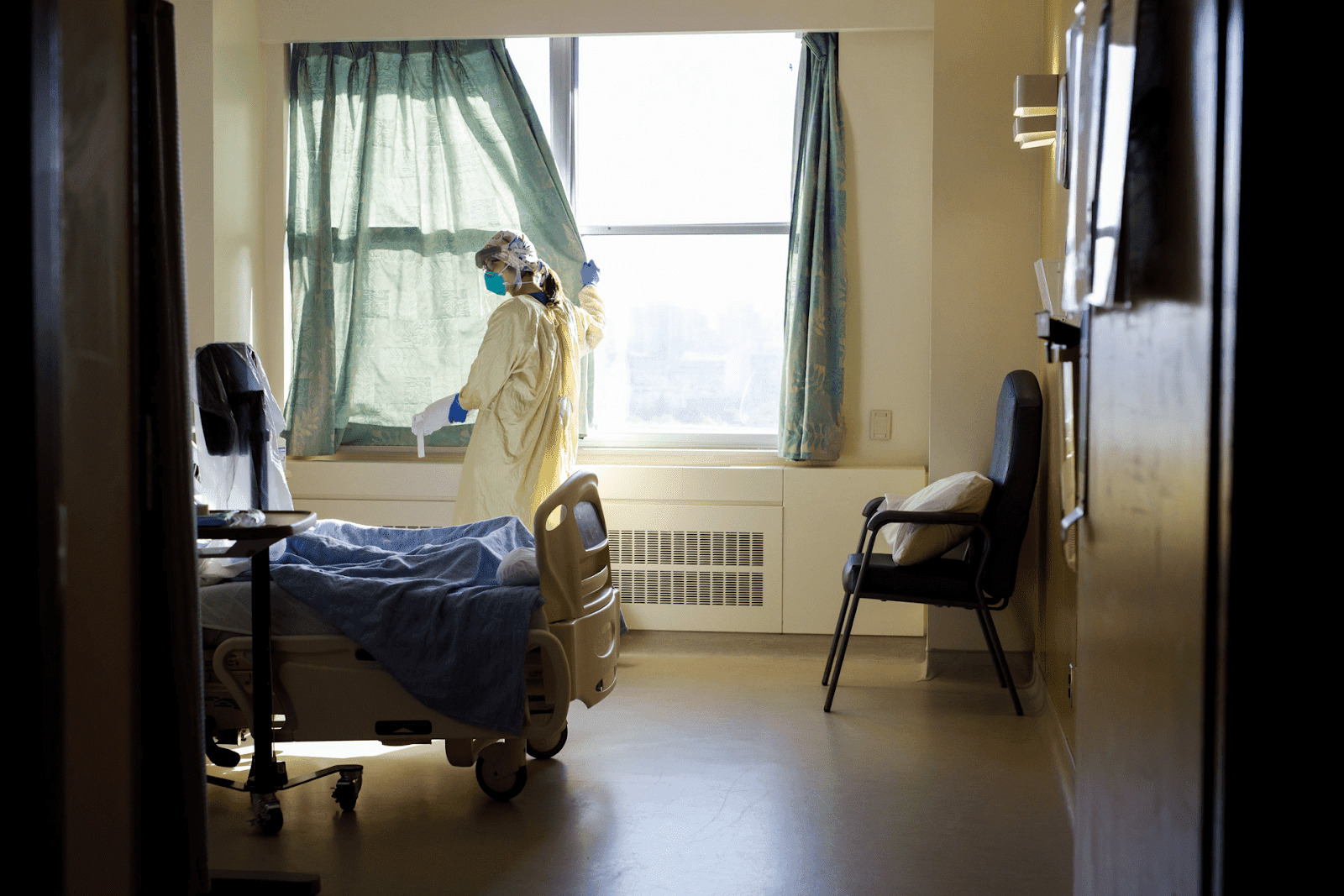
Pandemic Action Fund
As global healthcare systems strained under the weight of the COVID-19 pandemic, the University of Toronto (U of T) mobilized researchers, clinicians, and students to address the crisis. In 2020, U of T researchers isolated and replicated the coronavirus in a lab, advancing diagnostic, treatment, and vaccine development efforts. Other teams expanded testing capabilities, manufactured essential medical supplies, and developed models to predict virus spread.
In response to the pandemic’s urgency, U of T launched an action fund to support critical research and partnered with hospitals to combat COVID-19. The university invested $6 million into the Toronto COVID-19 Action Fund, demonstrating a commitment to public health and scientific innovation. Faculty, staff, and students worked tirelessly to address the crisis, which had caused over 350,000 cases worldwide by March 2020, including nearly 1,500 in Canada.
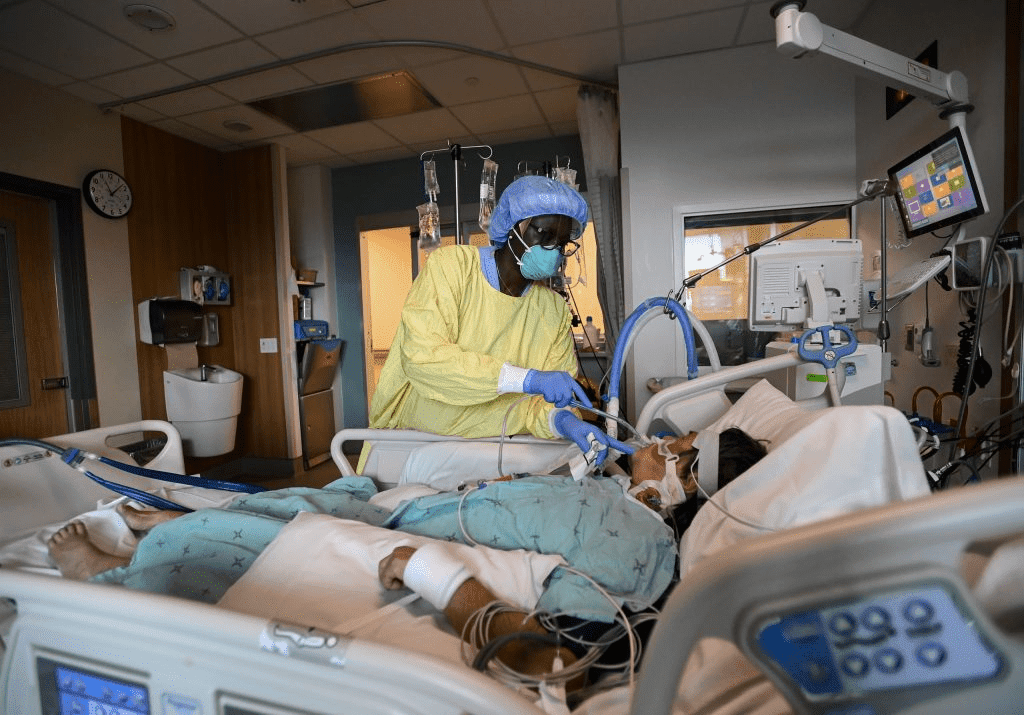
To address a shortage of ventilators, a company co-founded by Dr. Joe Fisher, a professor of anesthesiology, ramped up production of a portable, compact ICU device weighing just 40 pounds. This battery-operated device became a vital resource for regions in critical need.
Toronto’s journey through the COVID-19 pandemic exemplifies resilience, innovation, and adaptability. While challenges remain, the city continues to rebuild and evolve, with lessons learned shaping a stronger, healthier future for its residents.