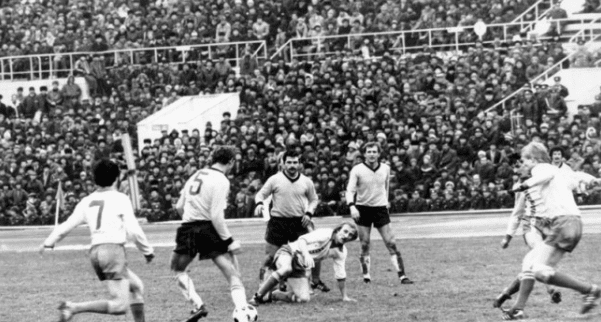

Toronto became the first city in Canada to embrace soccer, serving as the birthplace of the country’s leading soccer team, the Toronto Argonauts, and contributing to the sport’s growth on the international stage. Discover how Toronto’s soccer players became pioneers in Canada’s and the USA’s professional soccer leagues and how the sport grew to become a beloved pastime in the city on itoronto.
How Soccer Came to Toronto
As Canada’s most populous city in the 18th century, Toronto witnessed the rise of many sports, with soccer having one of the oldest histories. The rules for soccer were first introduced by England’s Football Association on December 7, 1863, after which the sport spread to cities worldwide, including Toronto. Immigrants, government officials, and military personnel brought the game to the city, inspiring athletes and recreational enthusiasts to take an interest in it.
The first soccer game in Toronto was played on October 21, 1876, between the Carlton Cricket Club and the Toronto Lacrosse Club. The game thrilled both the players and the audience, sparking the idea of hosting regular soccer matches. Initially a form of entertainment, soccer evolved into a profitable sporting activity and a cultural phenomenon in Toronto within a few years.
In 1877, Toronto became home to the Dominion Football Association, the first soccer association outside the British Isles. The association established soccer regulations, ensured their adherence, and promoted the sport within the city and beyond.
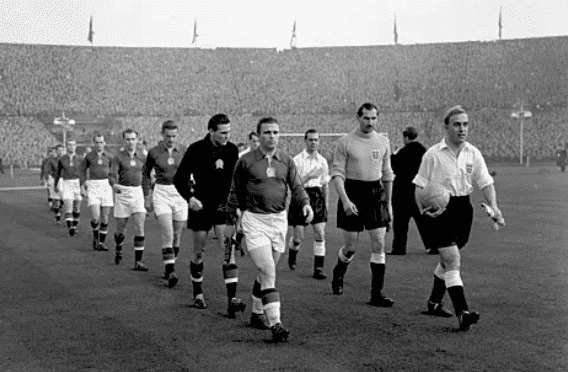
As soccer gained popularity, the number of clubs in Toronto steadily increased. These clubs organized training sessions and competitions at stadiums and outdoor pitches. By 1926, all soccer teams had joined the National Soccer League (NSL). Among Toronto’s teams, Ulster United achieved the most success, earning fame and fan loyalty through their consistent victories.
However, World War II disrupted soccer in the city. Between 1941 and 1947, soccer clubs ceased operations, with many players trading their kits for military uniforms or pursuing new careers. Still, some athletes remained dedicated to the sport despite the challenging wartime conditions.
Post-War Soccer Development in Toronto
After World War II, Toronto’s sports scene began to revive, marking a new chapter in soccer history. In 1957, the city hosted Canada’s first World Soccer Championship, where Toronto players defeated the U.S. team with a decisive 5–1 victory.
During this period, the Canadian league, Eastern Canada Professional Soccer League (ECPSL), was formed, comprising four teams from various cities, including Toronto. Each team fiercely competed for dominance in the sport. To bolster their rosters, Toronto’s teams recruited prominent international players, such as soccer legend Sir Stanley Matthews, whose 1961 signing created global buzz.
In the same year, over 16,000 fans gathered at Varsity Stadium to watch a match between Toronto City and Toronto Italia, with the latter emerging victorious. The ECPSL soon expanded to include five teams, mirroring the growth of the American soccer league. American league organizers sought to innovate by uniting European and American teams, assigning them unique uniforms and names to represent different cities.
By 1962, the Canadian and American leagues merged, allowing Toronto’s soccer club to compete in international and regional championships. This development also secured sponsorship from the Bank of Montreal, establishing a strong foothold for the team in Toronto. The club began training at BMO Field, located within the Exhibition Place complex, ensuring its position as a vital player in the soccer world.