
Canada has been the birthplace of countless inventions that have significantly improved everyday life, writes itoronto.info. These creations have found their place across various industries—from medicine to culinary arts. Often, inventions that appear simple and straightforward turn out to be ingenious. Inventors secure patents for their devices, and people happily integrate them into daily use.
Interestingly, some world-famous inventions were discovered entirely by accident. Their creators never set out to design something unique or exceptional.
This is precisely how the globally popular whoopee cushion came into existence. A device adored by pranksters young and old, it was born from pure experimentation.
In this article, based on information from thestar.com, we share the amusing story behind one of the world’s most iconic prank devices.
A Brief Overview of the Device
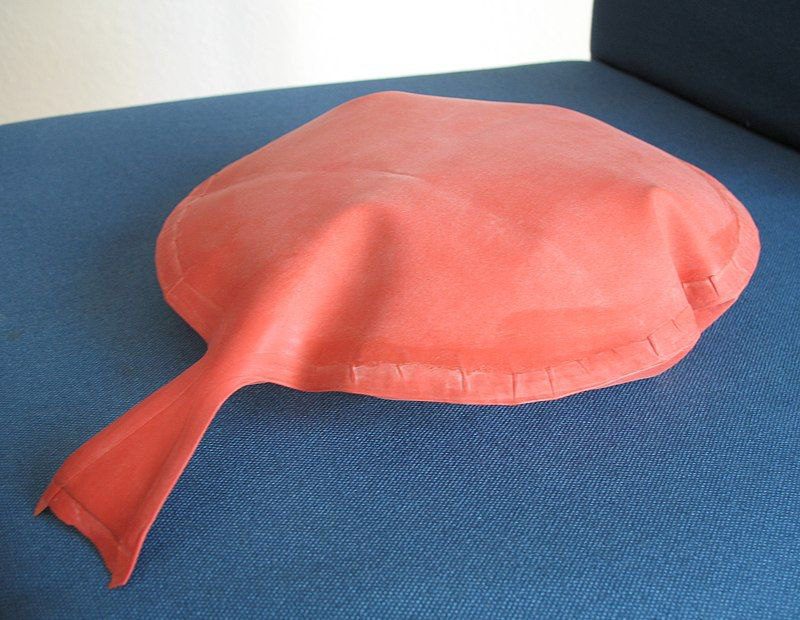
The whoopee cushion is a novelty item commonly used for pranks. When sat upon, it produces a sound resembling human flatulence, much to the delight—or embarrassment—of unsuspecting victims.
Historical Background
It’s fascinating to note that similar prank devices existed as far back as ancient times.
According to historical records, Roman Emperor Elagabalus had a fondness for pranks and often included them in his imperial banquets. He would place “noisy” cushions beneath the seats of his esteemed guests, much to their surprise.
There are also accounts of Ziyadat Allah III, an Aghlabid emir, who enjoyed hiding inflated animal bladders beneath palace cushions. Unsuspecting guests would sit on them, causing an uproarious effect.
The Modern Version
The modern rubber version of the whoopee cushion was invented in the 1930s by a Toronto-based company, JEM Rubber Co. Interestingly, this invention was entirely accidental.
While conducting experiments with rubber sheets, the company’s scientists stumbled upon the concept by sheer chance. Through trial and error, they inadvertently created one of the most beloved prank devices of all time.
An Unexpected Success
Initially, the company’s owner presented the invention to Samuel Adams, a well-known creator of novelty items. However, Adams dismissed the product, deeming it “too vulgar” and predicting it would never sell.
Later, the invention was offered to the Johnson Smith Company, which eagerly embraced it and began selling it as a “gag product.”
Ironically, the whoopee cushion became so popular that Adams eventually developed his own version, naming it the Razzberry Cushion.
How It Works
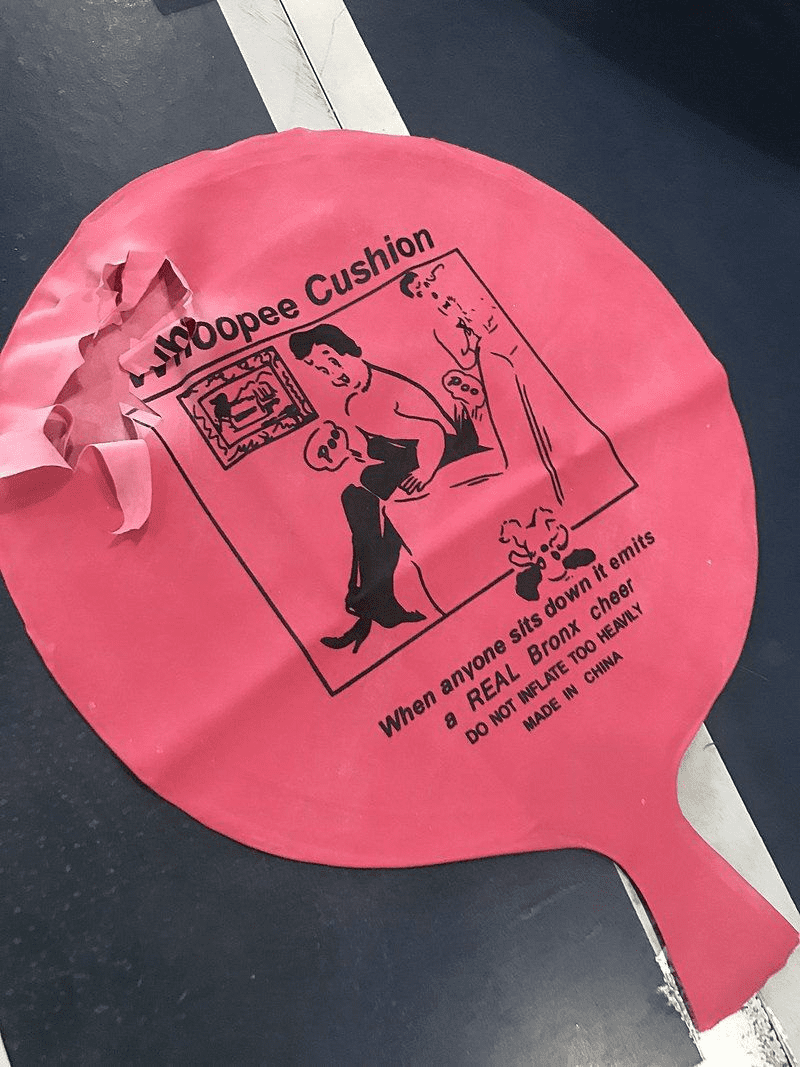
The whoopee cushion is made from sheets of rubber glued together at the edges. It features a small opening that allows air to flow in and out, producing its signature sound. However, these cushions are not particularly durable and can burst if overinflated or subjected to excessive force.
Standard whoopee cushions rely on airflow to inflate when compressed. On the other hand, self-inflating versions are equipped with an internal sponge that restores the device to its original shape, eliminating the need for constant manual inflation. This feature makes it easier for pranksters to execute their next gag.
Despite its humble origins and comedic purpose, the whoopee cushion has endured for decades as a classic prank item. From ancient palaces to modern households, it continues to bring laughter to people around the globe.Photo: wikipedia